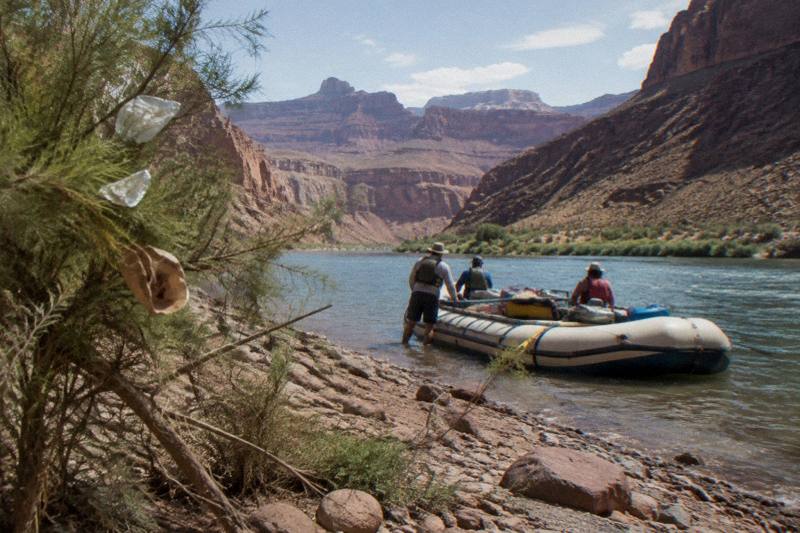
What Not To Wear When White Water Rafting? A Grand Canyon Packing Check
A practical packing check for Grand Canyon rafting: the fabrics, footwear and accessories to leave at home, and what to wear on cold Colorado River water instead.
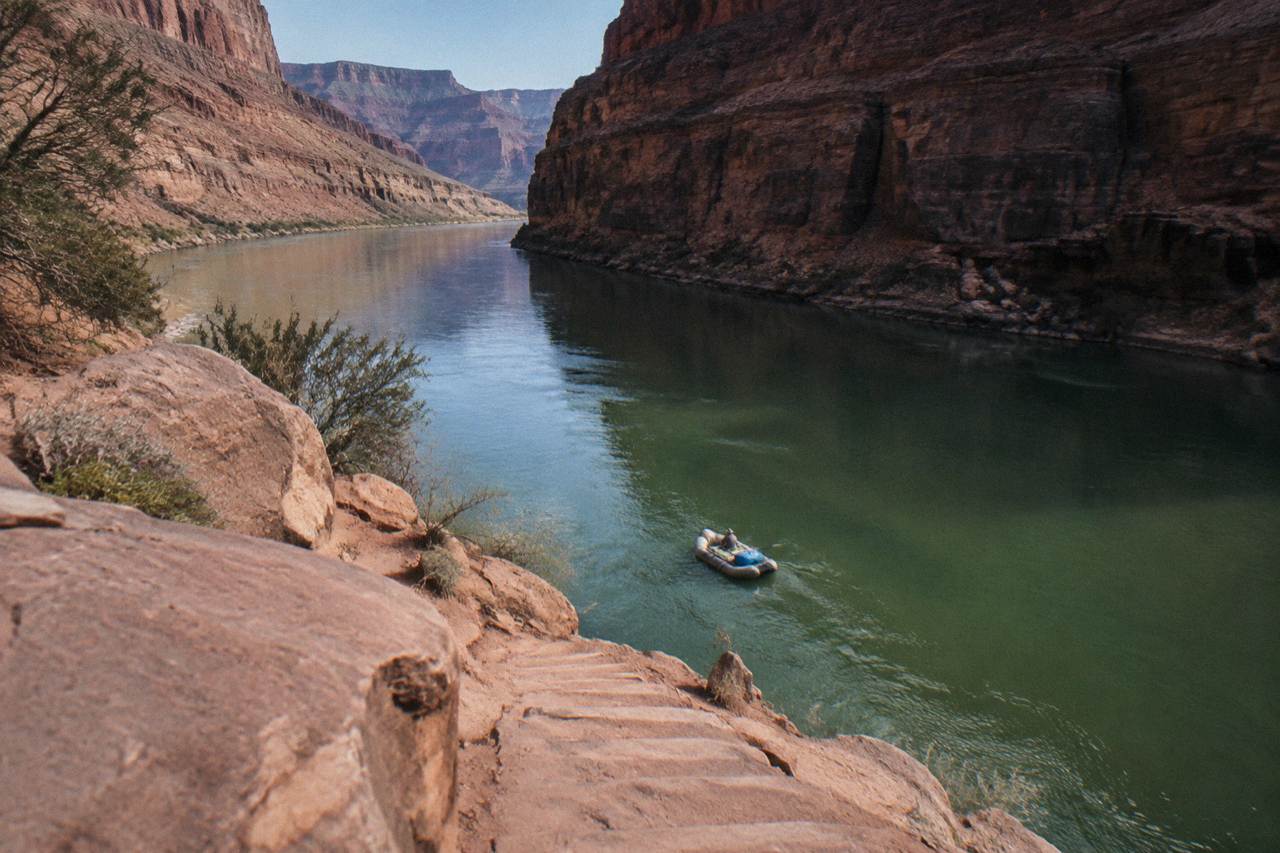
Most people pack for a desert, and then step onto a river that runs cold all year. That single mismatch explains nearly every clothing regret reported on Grand Canyon river trips. The Colorado below Hoover Dam sits in the low 50s F even in summer, and guests on the three-hour motorized Black Canyon float are repeatedly told the same thing in reviews: "Wear sunscreen even if it is cloudy and cool," as one verbatim traveler review puts it, because the sun and the cold water punish you from both directions at once. If you want to understand why the water stays so cold, our guide to Colorado River water temperature in the Grand Canyon explains what the dam does to the river year-round.
This article is the packing check we would send a friend before any of the trips listed on this site, from the 1.5-hour Hoover Dam float to the 8-hour West Rim whitewater day with helicopter exit. It covers the fabric rules, the footwear rules, the accessories that get lost or broken, and the small differences between a smooth-water float and a whitewater day. Where a claim comes from the park or an operator, we say so. Where the listings are silent, we say that too, and recommend asking the operator directly.
What Not To Wear When White Water Rafting?
The short answer is cotton, loose items and open footwear: no jeans, no cotton hoodies, no flip flops, no dangling jewelry, and no expensive electronics that are not waterproofed. Cotton holds cold water against your skin, loose straps snag on lines and gear, and bare sandals offer nothing if you land on a rocky beach or wade out at a take-out. Synthetic layers, secure footwear and a retention strap for glasses cover most of what guides actually care about.
Every listing on this site involves some combination of splashing water, wet rafts and gravel or sand shorelines, even the calm ones. The 3-Hour Black Canyon Motorized Raft Tour with Optional Transport is a smooth float, not whitewater, but guests still board over wet surfaces, stop at beaches and caves, and sit in spray for three hours on water in the low 50s F. The same logic applies on the Page floats and the Hualapai whitewater day, only with bigger waves.
The reasoning behind each ban is worth understanding, because it helps you judge items we cannot list here. Cold water drains heat far faster than cold air, and wet cotton stops insulating almost entirely. Loose items become projectiles or loss risks the moment a raft hits a wave or a paddle swings. And footwear matters most at the moments you are not rafting: the walk to the bus, the wade at the launch, the scramble on a beach stop.
One more frame before the details: dress for the water temperature, not the air temperature. A 100 F afternoon in Las Vegas does not warm the river. The park's page on paddling Black Canyon states plainly that water temperatures are cold, in the low 50s F, year round, and that is the water every Hoover Dam float on this site runs on.
Why Cotton Is The Worst Fabric On The River
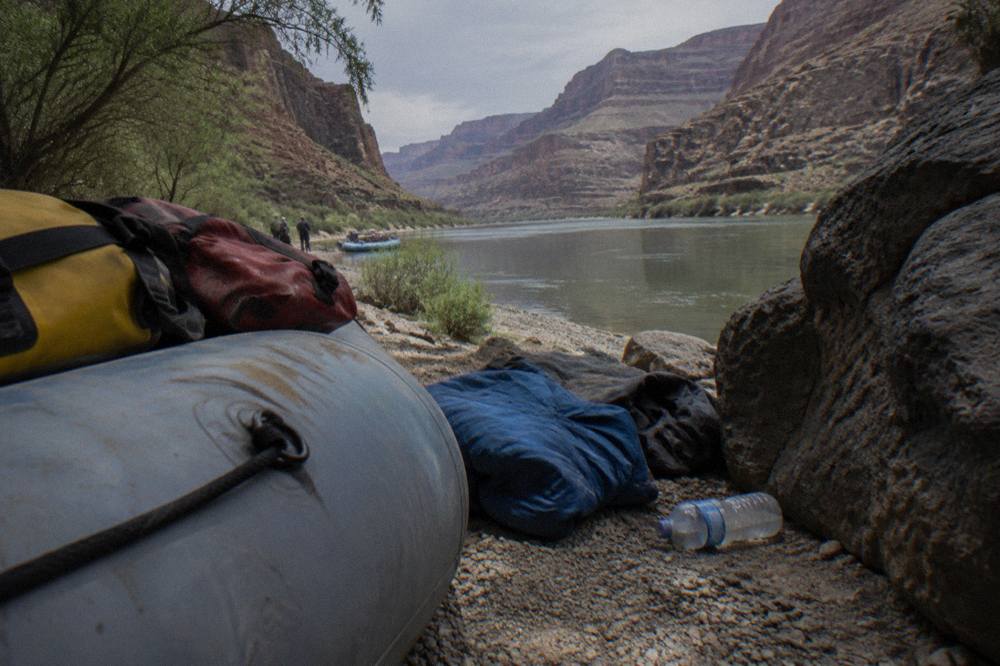
Cotton is the worst fabric on the river because it loses nearly all insulating value once wet and dries slowly, leaving denim, t-shirts, and hoodies as cold, heavy wraps against your skin. In Black Canyon water in the low 50s F, that turns a fun float into shivering through lunch, which is why guides ask guests to wear synthetics or wool instead, since those keep warming when soaked and shed water fast.
The National Park Service's own paddling page for Lake Mead notes the cold year-round water temperature without softening it, and the raft listings here all run on that same stretch or on similarly dam-fed water. Denim deserves its own mention: jeans soak through, stiffen, and hold water against your legs for hours, and they are miserable to walk a beach in. Guests on the Hoover Dam 1.5-Hour Raft Tour in Black Canyon sometimes learn this the hard way, since the trip stops at a cave with a hot spring, as one verbatim review describes, "we stopped at a cave to feel a hot spring," which means wading and wet clothing in the same hour (see Permit Difficulty).
| Item | Why It Fails On The River | What To Wear Instead |
|---|---|---|
| Jeans or denim shorts | Soak through, dry very slowly, chafe when wet | Quick-dry synthetic shorts or pants |
| Cotton hoodie or sweatshirt | Loses insulation when wet, stays heavy | Fleece or wool mid-layer |
| Cotton t-shirt as the only layer | Cold when soaked by spray or rain | Synthetic tee plus a wind or rain shell |
| Cotton socks | Blister and stay cold all day | Wool or synthetic blend socks |
| Everyday cotton underwear | Stays damp and uncomfortable | Synthetic or wool options |
The fix is cheap. A basic synthetic tee, a fleece mid-layer and a light rain shell handle most conditions on the Black Canyon and Page floats, and add real warmth if the trip runs cloudy or breezy. On the 3-hour motorized float below Hoover Dam, the raft is powered rather than paddled hard, but spray and wet seats are routine, and the boxed lunch stop is on shore where damp cotton keeps cooling you. Free cancellation on that listing applies up to 24 hours before the start time, so a weather-driven change of plan is possible, but your clothing should not depend on it.
Footwear That Works And Footwear That Fails
Flip flops fail on every count: they fall off in moving water, grip nothing on wet raft floors, and protect nothing on rocky beaches, while thin soles, slippery dress shoes, and brand-new sandals never worn wet fail close behind. What works is secure footwear with a real sole, meaning sport sandals with heel straps, water shoes, or old sneakers with wool socks, anything that stays on when you step into the river or scramble at a take-out.
The take-out detail matters more than people expect. On the Black Canyon water trail, trips commonly finish at Willow Beach, roughly 10 miles downriver of the dam launch per the park's page, and getting off a raft means wet feet on gravel, concrete or sand. The same is true at Lees Ferry for the Page floats, where guests board from the shore after a bus ride from Page. Footwear that slips or pinches turns a two-minute walk into the worst part of the day. Once your footwear is sorted, our guide to which Grand Canyon trips actually include big rapids can help you pick the right run.
New sandals are a specific trap. Unbroken straps rub wet skin raw within an hour, and a sandal without a heel strap can be gone with one wave on the whitewater day. The Grand Canyon West whitewater trip is the one listing here with genuine rapids, an 8-hour small-group day from Peach Springs with a helicopter exit, and the operator's page notes a minimum age of 8 and a season running April to October. Everything about that day argues for footwear that stays on.
| Footwear | Verdict | Where It Matters Most |
|---|---|---|
| Flip flops | Leave at home | Every trip; lost overboard, no grip |
| Sport sandals with heel strap | Good choice | Black Canyon floats, Page float |
| Water shoes | Good choice | Any trip, especially beach stops |
| Old sneakers with wool socks | Good choice | Whitewater day, cooler months |
| New unworn sandals | Risky | Rubs raw when wet; break in first |
| Slip-on casual shoes | Risky | Can slide off during boarding |
One honest gap: the listings here do not publish a universal foot-wear rule, and neither do the park pages we can cite. Operators may set their own requirements, especially for the whitewater day, so read the booking page's what-to-bring section before you pack. Footwear is also the one item worth duplicating: a dry pair left on the bus or in the car turns the ride home from a squelch into a relief.
Accessories And Loose Items To Leave Behind
Leave behind dangly earrings, necklaces, rings you would hate to lose, unstrapped sunglasses, and any hat without a chin cord or clip, because rivers swallow small items and whitewater swallows them faster. Zip phones into a sealed case with a lanyard rather than a back pocket, and empty hard items from pockets, since they become bruising hazards in waves; anything else goes into a dry bag or stays on the bus.
Losses are boring and predictable: one glove, one sandal, one lens, one phone. A retention strap for glasses costs a few dollars and saves the most common casualty on the water. Hats matter for sun as much as for warmth; the desert sun reflects off the canyon water, and one verbatim review of the three-hour Black Canyon float advises taking video partly to capture the guide's narration, which means a device on the water, which means a waterproof case and a tether, not a bare phone held overhead.
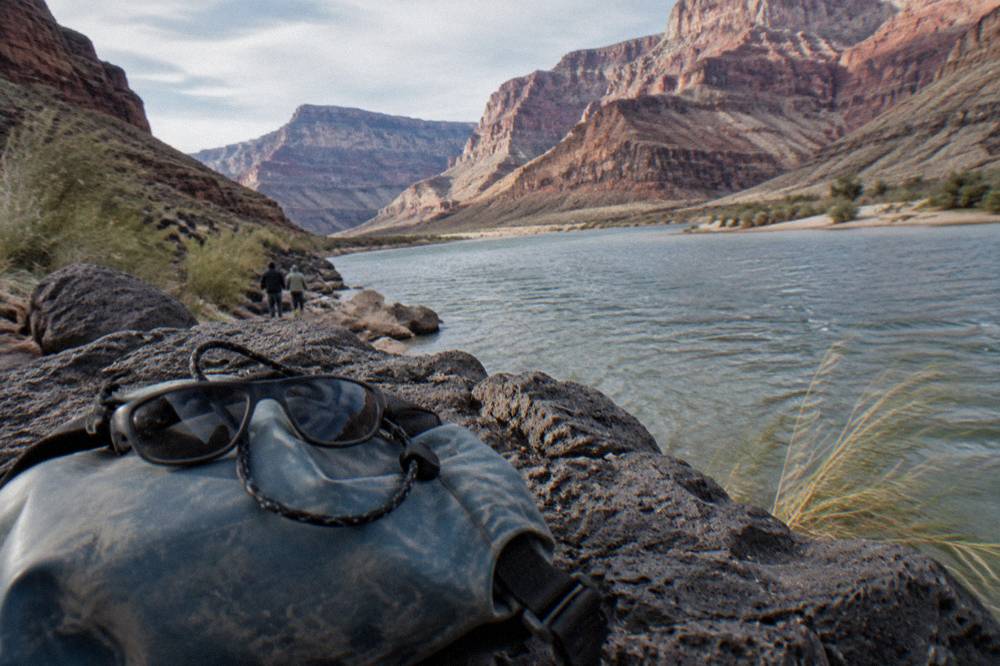
Jewelry deserves a blunt sentence: rivers do not return rings. Gloves and scarves fall into the loose-item category too; a fleece beanie or a snug cap works where a loose scarf would end up downstream. If a trip includes a swim stop, such as the Hoover Dam Raft Tour with Transport & Swim in Black Canyon, a four-hour float from $119 per person, plan for the same rules: secure footwear on the boat, nothing loose in the water, and a dry layer for after.
The packing instinct to bring more is usually wrong. Reviews of these trips rarely mention wanting more gear; the 3-hour motorized float's verbatim reviews praise the lunch, the guide and the scenery, and warn about sunscreen instead. One more from that listing: "A must do whilst in Vegas. Great guide." Nothing in the review record suggests a packing list beyond layers, sun protection and secure shoes.
What To Wear Instead: A Layering Plan That Works
Dress in three layers: a synthetic base against your skin, a fleece or wool mid-layer for warmth, and a wind or rain shell on top, then add quick-dry bottoms, secure footwear, a brimmed hat with a strap, tethered sunglasses, and sunscreen. That stack handles spray, wind, cloud cover, and the cold water of dam-fed rivers, dries fast enough for same-day comfort, and flexes by season just by adding or dropping the mid-layer.
The shell is the piece people skip and then regret. Canyon winds run downriver, and a wet traveler in moving air cools quickly even on a warm day. On the Page float side, the 5-hour Horseshoe Bend Float Trip in Page from $149.51 per person runs about 10 river miles of smooth water with a bus from Page to Lees Ferry included, per the operator's own trip details, and long stretches of that are open sun with intermittent spray, exactly the conditions a light shell plus a hat manages well. It carries a 4.9 rating from 194 reviews, and verbatim reviews call it "easy, informative, fun, and safe for all ages" and "just a great relaxing experience," which matches the trip style: relaxed, but still on cold water with full desert sun. If you're wondering how that cold water shapes real risk, the guide to Grand Canyon rafting safety covers what guides train for and how rapids are actually rated.
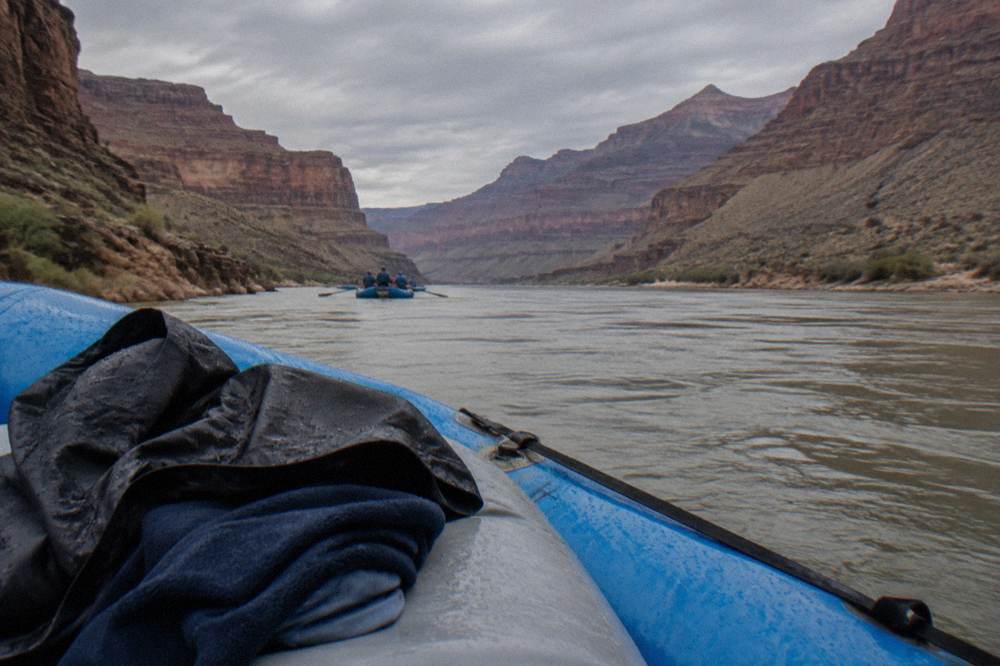
For the whitewater day, the layering logic is the same but the stakes are higher. The Grand Canyon West: Whitewater Rafting, Helicopter, & Skywalk listing is an 8-hour motorized raft trip from Peach Springs from $688.85 per person, with lunch on a sandy beach and a helicopter exit from the canyon floor, per the operator's page. Waves soak everyone aboard at some point, so the mid-layer and the shell are doing real work, and a full change of dry clothes left in the vehicle for after the trip is the pro move. Cancellation on that listing is free up to 24 hours in advance.
Sun protection is clothing, not just lotion. A light long-sleeve synthetic shirt outperforms repeated sunscreen on a five-hour day, and a neck shade or brimmed hat beats a cap. Reviews on the 1.5-hour Hoover Dam float mention that "our kids got to play in the water," which is a reminder that swim time is often unplanned on these trips, so quick-dry clothing keeps the whole day comfortable rather than just the river hour.
Season And Trip Type Change The Packing Math
Season shapes what you wear on the water and trip type shapes everything else: summer means sun protection and light synthetic layers, spring and fall call for a real fleece and a beanie, and water temperature stays in the low 50s F year-round, so the river never warms up even when the desert does. Footwear and spare clothing then follow from the trip you choose.
The park's paddling page for Black Canyon is the authority on that cold-water point, and it also confirms paddling is possible year round, which is why winter floats exist and why winter packing looks almost like ski-adjacent layering. The Hualapai river season, by contrast, runs April to October per the operator's river page, so the whitewater day is simply unavailable in the cold months, and summer bookings there mean full sun exposure on an 8-hour day.
| Trip Type | Base | Warmth | Feet | Extras |
|---|---|---|---|---|
| 1.5 to 4-hour Black Canyon float | Synthetic tee | Fleece in cooler months | Sport sandals or water shoes | Sun hat, tethered glasses, sunscreen |
| Half-day Page float | Synthetic tee, long-sleeve sun shirt | Light fleece | Sport sandals with strap | Sunscreen, lip balm, dry bag |
| West Rim whitewater day | Synthetic base | Fleece plus shell | Old sneakers or secure water shoes | Full dry-change in the vehicle |
| Helicopter and raft combo day | Synthetic layers | Fleece plus shell | Secure sandals or sneakers | Layers for the flight, sun kit for the float |
| Multi-day canyon trip | Quick-dry everything | Multiple fleece layers | Two pairs, worn in rotation | Dry-bag system, sun hoody, beanie |
The helicopter and raft combinations deserve a note, because two activities means two micro-climates in one day. The Grand Celebration Helicopter Tour with Black Canyon Rafting, from $749 per person and rated 4.9 from 17 reviews, runs about 10 hours with hotel pickup and meals, and the practical packing answer is layers you can open on the raft and close on the flight. Its cancellation window is different from most of the site's listings, free up to 3 full days before the start time, which is worth knowing at booking rather than at packing time.
For multi-day trips, the same rules scale up, and the planning detail that surprises people is timing: the park states commercial trips are often reserved a year or two in advance, and our multi-day Grand Canyon rafting trips guide covers that planning in full. The 3-day and 6-day listings here are new listings with no reviews yet, from $1855 and from $3420 per person respectively, so packing advice for them comes from the operator's printed details, all meals included, rather than from a review record.
Common Questions About White Water Rafting Clothing
What Not To Wear When White Water Rafting?
Leave cotton (including jeans and cotton hoodies), flip flops, loose jewelry, unstrapped sunglasses and non-waterproof electronics at home. Cotton stops insulating the moment it gets wet on river water in the low 50s F, flip flops come off in moving water and rocky take-outs, and loose small items go overboard. Wear synthetic or wool layers, secure footwear, a brimmed hat and sunscreen.
Do You Get Wet On A Grand Canyon Rafting Tour?
Yes, on every trip listed here. Even smooth-water floats involve spray, wet raft floors, wading at launches and beach stops. The whitewater day soaks passengers regularly. Plan on being wet at some point, and pack so that being wet is not a problem.
Should I Wear A Swimsuit Rafting?
A swimsuit works as a base layer, especially on trips with swim stops, but it should not be the whole outfit. Add a synthetic shirt for sun, a fleece for the cold water and wind, and secure footwear. A swimsuit alone leaves you cold and sunburned on a multi-hour day.
Are Jeans Or Denim Okay If It Is Hot Outside?
No. Air temperature does not change the water, and the park states Black Canyon water stays in the low 50s F year round. Wet denim stays heavy and cold for hours, chafes on beach walks and dries slower than almost anything else you could wear. Quick-dry pants or shorts do the same job better.
What Footwear Do Guides Recommend?
Secure options with a real sole: sport sandals with heel straps, water shoes, or worn-in sneakers with wool or synthetic socks. The listings here do not publish a single mandatory rule, and operators may set their own requirements for whitewater days, so check the booking page's what-to-bring section before your trip.
How Should I Pack For Sun And Cold At The Same Time?
Layer synthetics: a sun-protective base, a fleece mid-layer and a light shell. The sun reflects off the canyon water while the river stays cold, so a hot afternoon can still include a shivering guest in wet cotton. One verbatim review of the three-hour Black Canyon float says to wear sunscreen even when it is cloudy and cool, which captures the double exposure exactly.
A final check before you zip the bag: nothing cotton, nothing loose, nothing on your feet that can slip off, and nothing in your pockets you would mourn. If a packing question is specific to your trip, the operator's listing carries the details that matter, and our what to wear Grand Canyon rafting guide covers the full season-by-season kit for every trip style on Grand Canyon Rafting Tours.