Is Grand Canyon Rafting Safe? Rapids, Cold Water And Guides
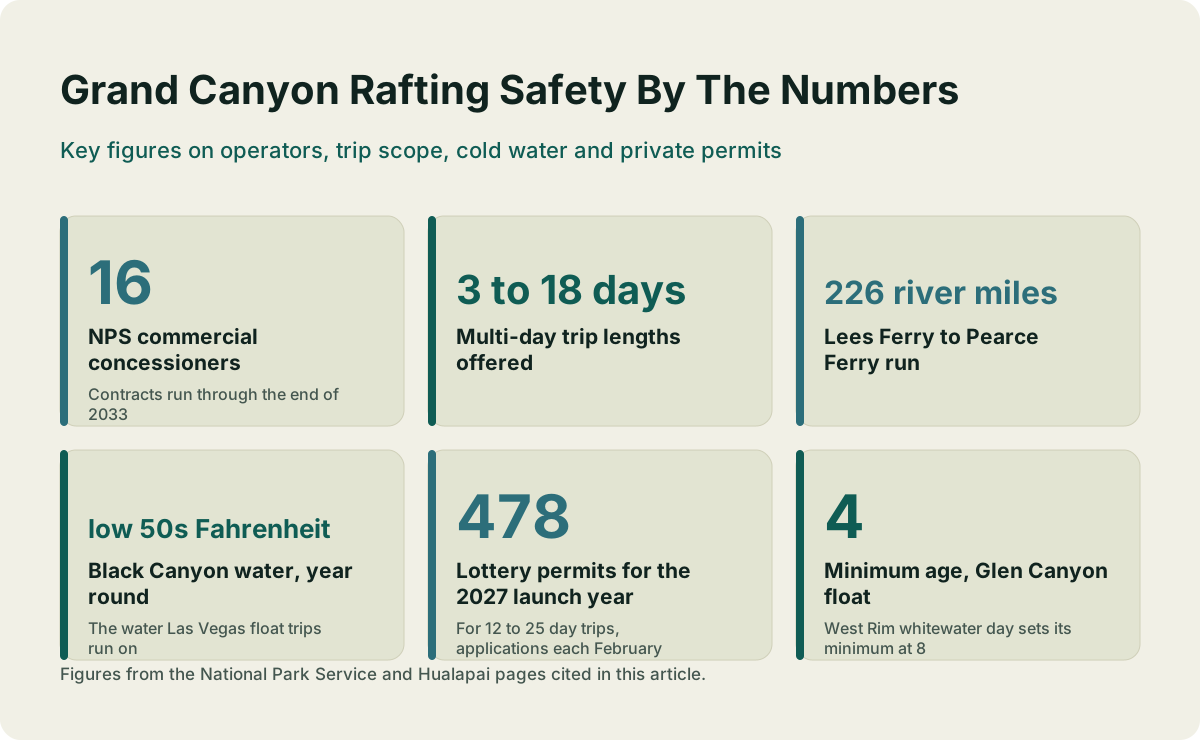
Grand Canyon rafting is run by licensed park concessioners and permitted outfitters, guided on every trip, and split into two very different products: smooth-water floats with no rapids and whitewater days through real rapids. Safety depends on which one you book, the age and swimming comfort of your group, and respect for cold water that stays in the low 50s Fahrenheit in the Black Canyon year round.
Short answer
Yes, in the sense that every commercial Grand Canyon river trip here runs with a licensed operator and a trained guide. The park authorizes 16 commercial concessioners for multi-day trips, and day trips launch under permit. The real safety question is which trip you choose: a smooth-water float with no rapids, or a whitewater day with real rapids, cold water, and higher age minimums.
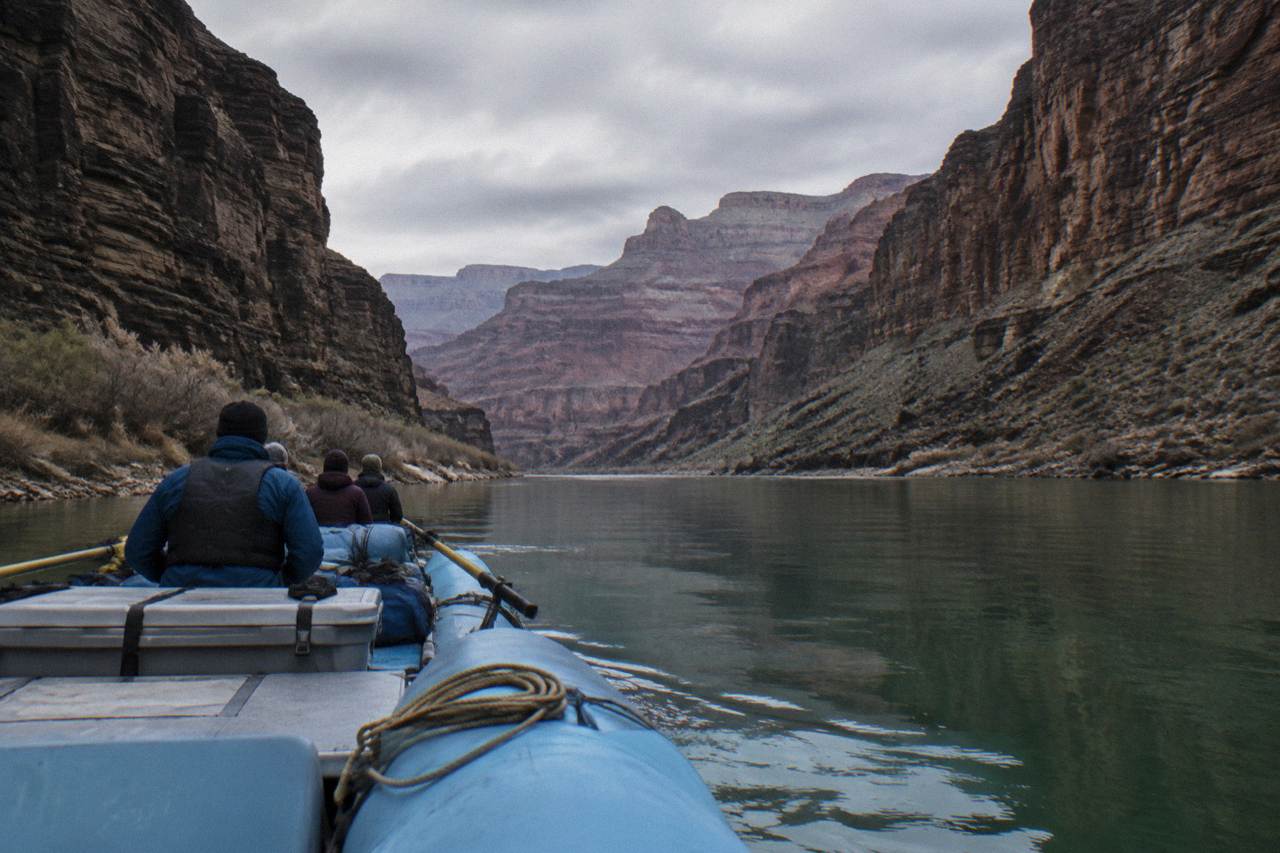
Every commercial raft trip in the Grand Canyon corridor shares three things: a licensed operator, a guide on the boat, and cold water underneath it. The safety conversation usually collapses into "is rafting dangerous," which is the wrong question. The right one is which kind of trip you are actually booking, because the difference between a smooth-water float below Glen Canyon Dam and a whitewater day on the Colorado at the West Rim is the difference between two sports that happen to use the same equipment. Once you've picked a side of that split, a Grand Canyon rafting packing check sorts out which fabrics, footwear and accessories survive cold Colorado water, and which ones to leave at home.
This guide walks through the parts of the safety picture that are documented on official park pages and in the listings on this site: who is allowed to run these trips, what the water does to your body, what guides are for, and how age limits sort groups onto the right river. No accident statistics appear here because none are printed in the site's research files, and no honest guide invents them.
How Safe Is Grand Canyon Rafting Overall?
Grand Canyon rafting is a guided, permitted, commercially regulated activity, and the safety picture splits cleanly by trip type. Multi-day trips through the canyon are run only by the 16 commercial concessioners the National Park Service selected, on contracts running to the end of 2033. Day trips run under permit in two places: the smooth-water floats below Glen Canyon Dam and the whitewater day on the Hualapai side. Neither is a self-service rental.
The National Park Service publishes the framework plainly: each of the 16 authorized companies offers trips lasting 3 to 18 days, from Lees Ferry down 226 river miles toward the Pearce Ferry area, in motorized rafts, oared rafts, paddle rafts, and dories. Those companies answer to the park under concessioner contracts, which is a stricter arrangement than a generic tour license. The park's own guided-tours page notes that these trips are often reserved a year or two in advance, which matters for safety planning too: the further out you book, the more you can vet the operator, the dates, and the water conditions.
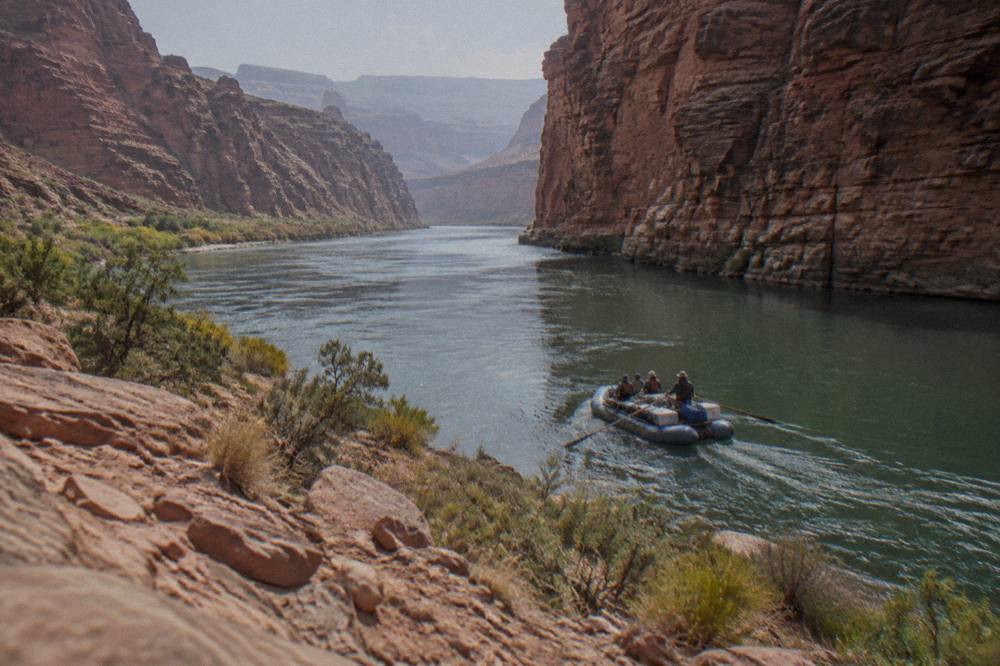
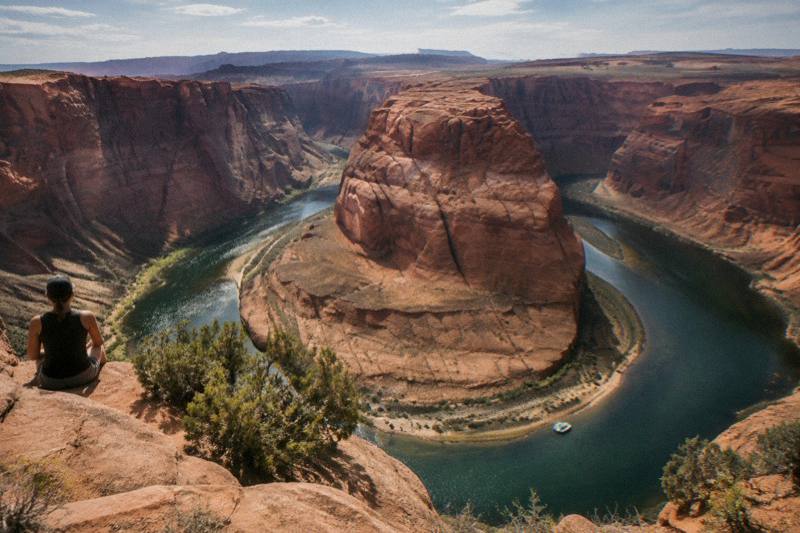
Day trips follow a different but equally structured path. The park's one-day river trips are the smooth-water floats that begin in Page, where guests are bused to Lees Ferry and drift the flat water between Glen Canyon Dam and the upstream end of the Grand Canyon. On the other side of the canyon, the Hualapai river season runs April to October, with a minimum age of 8 and a launch at Diamond Creek near Peach Springs. Neither a float nor a whitewater day is an unguided paddle around a lake.
What the safety reader should take from this: the risk profile is not one thing. A five-hour float on smooth water with a guide and a bus back to Page is a family outing. A one-day whitewater run with a helicopter exit is a genuine river trip through rapids. Both are safe in the way regulated, guided activities are safe, and both still put you on cold moving water where the operator's instructions matter.
Who Runs These Trips And What Licenses Do They Hold?
Every trip listed on this site is operated by a licensed company or a permitted outfitter, not by an anonymous reseller. The multi-day operators are the park's 16 selected concessioners. The Black Canyon floats below Hoover Dam are run by outfitters permitted by Lake Mead National Recreation Area, where launching at the dam itself is exclusive to a limited number of approved vendors. The West Rim whitewater day is run by the Hualapai Nation's own resort corporation.
The licensing layer is the part most readers never see, and it is the strongest safety mechanism in the whole system. Lake Mead National Recreation Area states that launching at Hoover Dam is an exclusive experience provided by a limited number of permitted vendors, and that guests are escorted to the launch on a narrated bus ride through the Hoover Dam Security Zone. That is why you cannot simply show up with a rented raft at the base of the dam: the launch, the escort, and the take-out at Willow Beach are all controlled by the permitting system.
| Trip type | Who licenses it | Operator example from this site | Guide on board |
|---|---|---|---|
| Multi-day Grand Canyon trips | NPS concessioner contracts, 16 companies | Aramark Destinations, Wilderness River Adventures | Yes, every trip |
| Black Canyon floats below Hoover Dam | Lake Mead NRA permitted outfitters | Black Canyon/Willow Beach River Adventures | Yes |
| Page smooth-water floats | NPS one-day concessioner | Wilderness River Adventures (Horseshoe Bend Rafting) | Yes |
| West Rim whitewater day | Hualapai Nation | Grand Canyon Resort Corporation | Yes |
| Helicopter and raft combos | FAA-certified flight operator plus permitted raft operator | Papillon Helicopters, 5 Star Grand Canyon Helicopter Tours | Yes |
The concessioner list matters when you are booking multi-day. The park's page names the authorized companies, including Aramark-Wilderness River Adventures, Arizona Raft Adventures, Arizona River Runners, Hatch River Expeditions, and others, and the contracts run from January 2024 through December 2033. If a company is not on that list, it is not running commercial trips through the Grand Canyon, and the park's river concessioners page is the place to check.
For day trips, the practical vetting is simpler: book through a listing that names the operator, then read that operator's own page. The three-hour motorized float below Hoover Dam, the half-day Page float, and the West Rim whitewater day all name their operators on the listing, and each operator carries the permit for that stretch of water.
If your group is weighing the two ends of the spectrum at once, the whitewater day with the helicopter exit and the Skywalk, the guided three-hour float with lunch below Hoover Dam, and the half-day Horseshoe Bend float cover the full range from rapids to glassy water. These three are the natural comparison set for a safety decision.
One more licensing note that safety readers should not skip: private trips are a different animal. Anyone running the canyon without a concessioner needs a noncommercial permit through the park's weighted lottery, which for the 2027 launch year offers 478 permits for 12 to 25 day trips, with applications each February. That path has no guide, no outfitter support, and no commercial safety net, and it is the one place in this landscape where the answer to "is it safe" depends almost entirely on you.
Is The Colorado River Water Cold Enough To Matter?
Yes. The park states that Black Canyon water temperatures are cold, in the low 50s Fahrenheit, year round, and that guests can paddle or boat year round. Cold water is the single most underrated safety factor on these trips, because it does not care about the air temperature or how calm the water looks. It affects children faster than adults, and it turns an unplanned swim into a situation a guide has to manage.
The National Park Service is blunt about this on its Black Canyon pages, and the wording deserves to be read directly: water temperatures are cold, in the low 50s Fahrenheit range, year round. That is the water the Las Vegas float trips run on, including the three-hour motorized raft tour below Hoover Dam and the shorter Hoover Dam floats. The water coming out of Glen Canyon Dam is dam-release water as well, and the Bureau of Reclamation tracks dam operations and river conditions publicly, so conditions are monitored, not guessed at.
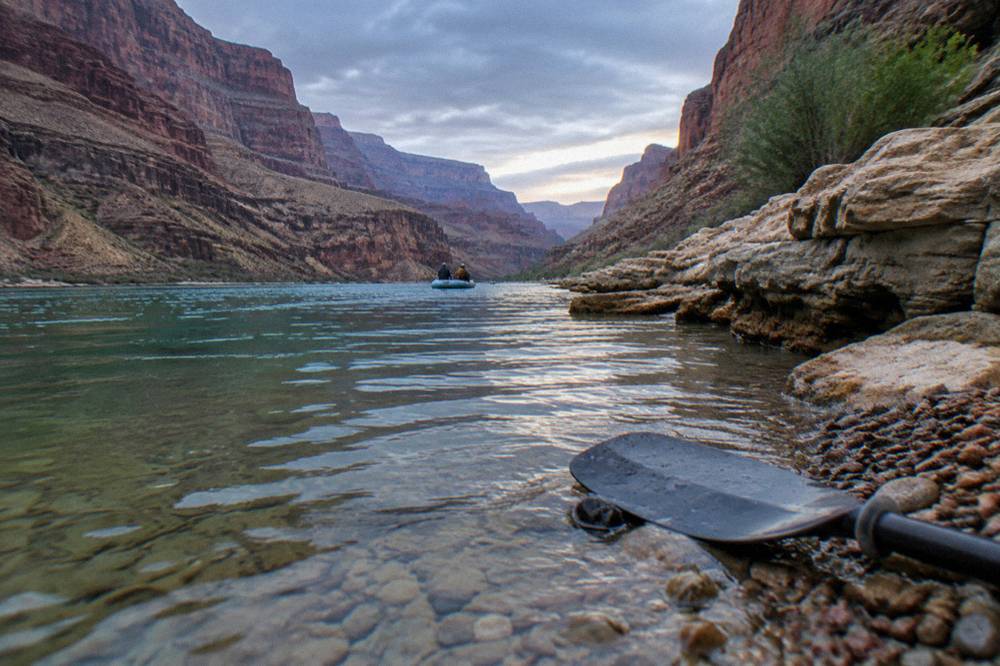
What cold water means in practice, without medical claims: dress for the water, not the weather. A hot desert day does not warm the river. Operators supply life jackets, and each operator sets its own life jacket rules. For families, the cold is the reason age minimums exist on some trips and not others: a four-year-old splashing at the edge of a slow raft in the Black Canyon is a different exposure than the same child in moving whitewater. The Page float sets its minimum age at 4, and the West Rim whitewater day sets it at 8.
| Water body | Trip style | Water character | Age guidance from official pages |
|---|---|---|---|
| Black Canyon below Hoover Dam | Guided floats | Cold, low 50s F year round, flat water | Ages set per listing |
| Colorado River below Glen Canyon Dam | Smooth-water float, about 10 river miles | Flat dam-release water, no rapids | Minimum age 4 |
| Grand Canyon at the West Rim | Motorized whitewater day | Real rapids and calm stretches | Minimum age 8 |
| Grand Canyon full corridor | Multi-day expeditions | Rapids throughout 226 river miles | Operator-specific minimums |
The West Rim whitewater day deserves a specific mention here because it is the featured trip on this page and because it is the one where cold water and rapids combine. The Grand Canyon West whitewater rafting, helicopter, and Skywalk listing runs 8 hours, includes lunch on a sandy beach, an optional guided hike to Travertine Cavern Falls, and a helicopter exit from the canyon floor to the rim. It is a small-group motorized trip with a 5 rating from 4 reviews, a small pool so far, and it launches from Peach Springs at the Hualapai Lodge. The Hualapai river season runs April to October, and the operator's page states the minimum age of 8. For a group that wants the rapids experience with a structured exit, it is the most contained way on this site to run whitewater in a single day.
What Is The Difference Between A Smooth-Water Float And A Whitewater Trip?
A smooth-water float runs on flat water with no rapids, carries a guide, and moves at drifting speed; a whitewater trip runs real rapids in a motorized raft with a guide reading the line. The park's one-day trips are explicitly the smooth-water floats between Glen Canyon Dam and Lees Ferry. The whitewater day at the West Rim is the only single-day rapids option near Las Vegas on this site. Everything else in between is a float.
This distinction is the heart of the safety decision, and it is where marketing language does readers the most damage. The Black Canyon trips from Las Vegas, including the Hoover Dam floats, are not Grand Canyon trips and they are not whitewater: the Black Canyon sits below Hoover Dam on the Colorado inside Lake Mead National Recreation Area, and its trips are gentle floats. Calling them rafting is fine; calling them rapids is not. The park's one-day river trip page is explicit that the smooth-water trips take place on the Colorado between Glen Canyon Dam and Lees Ferry, with guests bused from Page. If you're after genuine whitewater instead, this guide to the Grand Canyon river trips that run real rapids breaks down where each option puts in and what the water is actually like.
| Listing | Water | Rapids | Duration | From price | Rating and reviews |
|---|---|---|---|---|---|
| Hoover Dam 1.5-Hour Raft Tour in Black Canyon | Flat, cold | None | 1 hour 30 minutes | From $69 per person | 4.9 from 254 reviews |
| 3-Hour Black Canyon Motorized Raft Tour with Optional Transport | Flat, cold | None | 3 hours, 6 door to door | From $140 per person | 4.8 from 413 reviews |
| Horseshoe Bend Float Trip in Page | Flat dam release | None | 5 hours | From $149.51 per person | 4.9 from 194 reviews |
| Grand Canyon West: Whitewater Rafting, Helicopter, & Skywalk | Moving whitewater | Yes | 8 hours | From $688.85 per person | 5 from 4 reviews |
The safety implications follow directly. On a float, the main risks are sun, cold water if you swim, and footing on shore stops. A review from the 1.5-hour Hoover Dam float captures the tone of that trip: "This experience was affordable, informative, family friendly, entertaining and timely! We really enjoyed the whole tour. Our kids got to play in the water, we stopped at a cave to feel a hot spring and the guide was laid back and cool to talk to." That is a flat-water day, and it is priced and paced like one.
On the whitewater day, the guide's job changes character. The operator's page describes a motorized raft through rapids and calm stretches, lunch on a beach, and cultural interpretation by Hualapai guides, with the helicopter exit built into the package. The minimum age of 8 is not a marketing choice; it is the operator's stated floor for who can be on the boat when the water is moving. For a deeper look at the rapid ratings themselves, see the guide on what class of rapids are in the Grand Canyon, and for trip difficulty overall, the write-up on how difficult rafting the Grand Canyon is breaks down the physical side.
For groups that want water time without any rapids at all, the short Hoover Dam float is the gentlest entry point on this site.
What Ages Can Go Rafting In The Grand Canyon?
Age minimums are set by operators and by the official pages, not by a single park-wide rule. The Page float states a minimum age of 4. The West Rim whitewater day states a minimum age of 8. Multi-day operators set their own floors, and the research files show examples ranging from 7 or 8 on shorter motorized trips to 12 on longer oar and dory trips. There is no universal NPS minimum for commercial trips.
The pattern is consistent: the flatter and shorter the water, the younger the passenger. The Horseshoe Bend float's official page lists ages 4 and up, and the trip is about 5 hours on smooth water with no rapids. The Hualapai whitewater day lists 8 and up, and the trip includes rapids. For multi-day expeditions, the operator pages quoted in this site's research list minimums such as 8 on motorized trips for one company and 12 on longer trips for others, always with adults accompanying minors.
| Trip | Minimum age | Source | Notes |
|---|---|---|---|
| Horseshoe Bend half-day float, Page | 4 | Operator and official pages | Smooth water, about 10 river miles |
| West Rim one-day whitewater | 8 | Hualapai operator page | Rapids, helicopter exit |
| Multi-day Grand Canyon expeditions | Operator-specific | Operator pages | Examples range from 7 or 8 to 12 depending on trip |
| Black Canyon floats | Set per listing | Listing pages | Check the booking page for your tour |
Two practical notes for families. First, minimum age is a floor, not a recommendation: a child who meets the age but is not a confident swimmer may be happier on the Page float than the whitewater day, and the cold-water section above explains why. Second, the family decision is usually less about age rules and more about which trip the adults actually want; the guide on Grand Canyon rafting with kids works through the full comparison.
What Do Guides Actually Do On The Water?
Guides on these trips do three jobs at once: they run the boat, they read the water and weather, and they interpret the canyon. On whitewater they choose the line through each rapid and call the paddle strokes. On floats they manage the drift, the shore stops, and the group's comfort. Every listing on this site includes a guide; there is no unguided rental option anywhere in the lineup.
The guide is the load-bearing safety feature of a commercial trip, and the reviews bear it out. A guest on the three-hour Black Canyon motorized float wrote: "It was amazing. Wonderful guides who shared so much knowledge. Saw beautiful scenery and things that we could never have experienced if not on that tour!" Another from the same trip: "Very informative trip. A delight to see the landscape up close. A must do whilst in Vegas. Great guide." On the Page float, a reviewer noted "The float was easy, informative, fun, and safe for all ages. Every part of it was a positive experience."
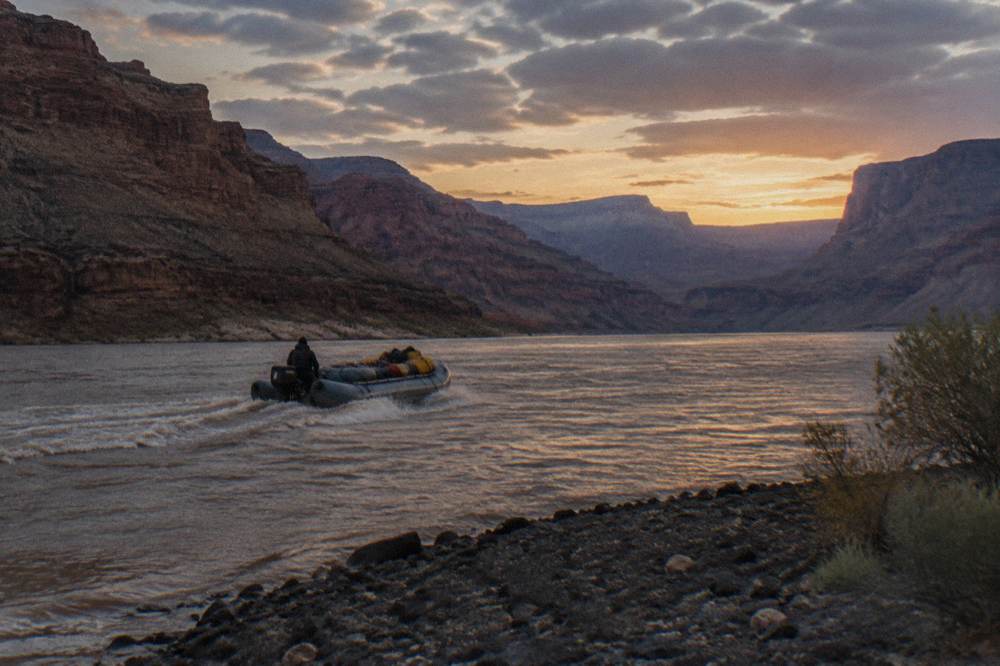
What guides cannot do is promise conditions. Weather and water releases decide whether a trip runs, when it launches, and what the water looks like on the day. The half-day National Park Express float from Las Vegas, for instance, lists a weather-dependent policy: a full refund or a new date if the operator cancels for poor weather. That is not a weakness in the product, it is the system working as designed, and it is why every trip here tells guests that the operator's word on the day is final.
Guides also carry the interpretive load that keeps guests from doing the genuinely unsafe things, like scrambling up unstable slopes at shore stops or underestimating the distance back to the boat. On the West Rim day, the Hualapai guides provide the cultural interpretation, which is part of the same package. For a fuller picture of the companies behind the guides, see the guide to Grand Canyon rafting companies.
What Can Go Wrong And How Do Operators Handle It?
The documented failure modes on these trips are weather, water levels, and minimum passenger counts, and the documented responses are refunds, rebooking, and cancellation windows that vary by listing. No trip here guarantees conditions, wildlife, or that a launch happens. Cancellation terms differ tour to tour, so the booking page for your specific trip is the safety document that matters most at checkout.
Start with weather, because it is the most common. The half-day Hoover Dam float from Las Vegas lists a weather-dependent cancellation policy with a full refund or a new date. The Papillon Grand Celebration helicopter and raft combo requires cancellation up to 3 full days before the start time, a longer window than most, because a helicopter and a raft are both being held. The Aramark Page float says cancel up to 2 days in advance with a fee. The three-hour Black Canyon motorized float allows free cancellation up to 24 hours before the start time. These are four different policies on four real trips, and that spread is exactly why no blanket claim belongs in a safety guide.
| Listing | Cancellation policy as listed |
|---|---|
| 3-Hour Black Canyon Motorized Raft Tour with Optional Transport | Free cancellation up to 24 hours before the start time |
| Hoover Dam Raft Float Half-Day Tour from Las Vegas | Weather-dependent: full refund or a new date for poor weather; otherwise see listing |
| Page: Horseshoe Bend Colorado River Half-Day Rafting Trip | Cancel up to 2 days in advance with a fee |
| Grand Celebration Helicopter Tour with Black Canyon Rafting | Free cancellation up to 3 full days before the start time |
| Las Vegas: 3-Day Grand Canyon Rafting & Helicopter Tour | See booking page |
Next, water. Dam releases are managed and published, and the Bureau of Reclamation posts Glen Canyon Dam operations, but no operator promises a specific flow on your date. The park's pages for the Black Canyon water trail note that motorized vessels are prohibited in the primitive zone from Hoover Dam to Willow Beach on Sundays and Mondays year round, which is a scheduling rule that shapes when trips run, not a hazard.
Finally, minimum passenger counts. The Page float's operator pages note the trip requires a minimum number of passengers to operate, a common commercial rafting arrangement. If a departure does not fill, the operator rebooks or refunds. None of this is drama; it is the ordinary machinery of a permitted river operation, and the honest summary is that most listings allow free cancellation but the cutoff differs, so read the booking page.
For groups that want a bigger commitment with the safety net of a major concessioner, the multi-day options are the 3-day camping trip from Las Vegas, a new listing with no reviews yet, from $1855 per person, and the 6-day motorized trip from Page, also a new listing with no reviews yet, from $3420 per person, both run by Aramark Destinations through Wilderness River Adventures, one of the park's named concessioners.
Is Grand Canyon Rafting Safe For Beginners And Families?
Yes, Grand Canyon rafting is safe for beginners and families when the trip matches the group. Guided flat-water floats have no rapids, a guide on board, and low age minimums, making them the best fit for most families. The whitewater day requires no prior experience and has an age floor of 8, but it is a real river day with rapids, so it suits confident groups rather than nervous ones.
The beginner path on this site is well marked. Start with a short float: the 1.5-hour Hoover Dam tour at from $69 per person, or the three-hour motorized float with lunch at from $140 per person, which a guest review sums up as "The lunch, view, and guide were well above expectations." Move up to the five-hour Page float when the group is ready for a longer day with a hot-spring stop and a hike to the Horseshoe Bend overlook from the river side. Save the whitewater day for when everyone in the group is a confident swimmer and at least 8.
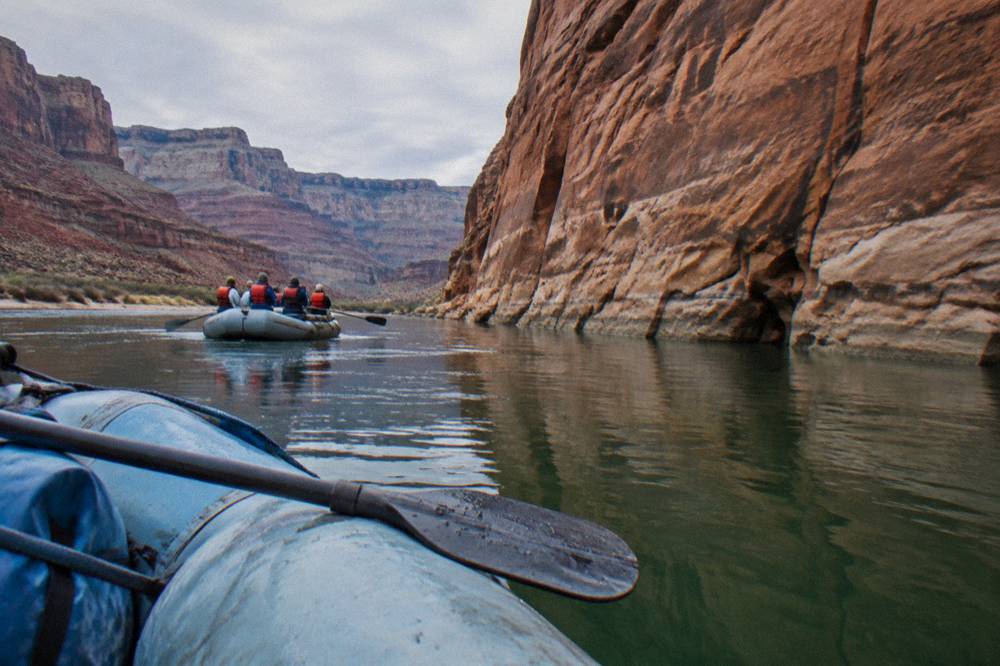
One honest caution for beginners: do not confuse the Black Canyon with the Grand Canyon. The Black Canyon floats are below Hoover Dam in Lake Mead National Recreation Area, and they are gentle trips; if a seller describes them as whitewater or as Grand Canyon rapids, that is a mismatch to walk away from. The guide on Grand Canyon rafting for beginners covers the full progression, and the question of what to actually wear is covered separately in what to wear Grand Canyon rafting.
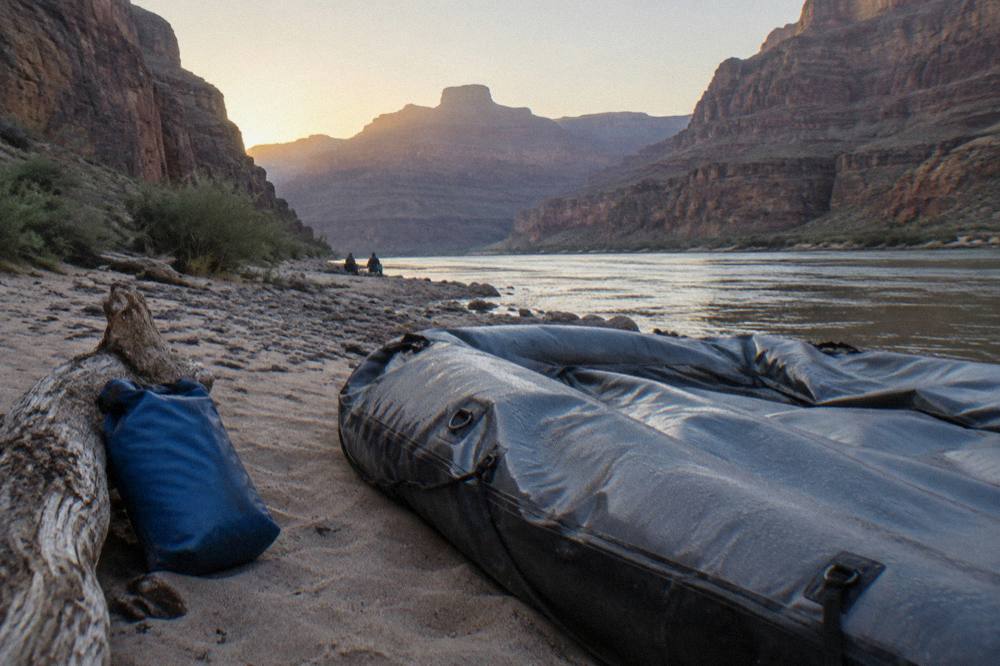
The helicopter and raft combos occupy a middle ground worth naming for the safety reader. The Grand Canyon Helicopter Tour and River Raft or Emerald Cave Kayak listing, 4.6 from 267 reviews, from $699 per person, pairs a flight with a calm-water raft day, so the water portion stays gentle while the day feels big. It is a reasonable compromise for a mixed group where some members want thrills and the water portion should stay predictable.
The last word on safety belongs to preparation rather than fear. Wear the life jacket the whole time you are on the boat, listen to the guide's briefing, dress for cold water even on a hot day, and check the operator's page for conditions before you drive out. The system around these trips, permits, concessioner contracts, security-zone escorts, age floors, and cancellation windows, exists so that the main thing you have to manage on the river is sunscreen. As this site's Grand Canyon Rafting Tours collection shows, the full range from a $69 float to a six-day expedition is built around the same guided structure.
If you are still choosing between the three most common safety profiles, the whitewater day with helicopter exit, the three-hour Black Canyon float with lunch, and the half-day Horseshoe Bend float are the three to compare side by side.
Common Questions About Grand Canyon Rafting Safety
Is Grand Canyon rafting safe?
Commercial Grand Canyon rafting is a guided, permitted activity. Multi-day trips are run only by the 16 concessioners the park selected on contracts through 2033, day floats run under permit, and every trip listed here carries a guide. The safety profile depends on the trip type: smooth-water floats have no rapids, while the West Rim whitewater day runs real rapids with a minimum age of 8.
Do I need rafting experience to go on a Grand Canyon raft trip?
No. Every trip on this site is guided, from the 1.5-hour Hoover Dam float to the multi-day expeditions. No listing requires prior rafting experience. The practical filter is water type and age: a nervous first-timer belongs on a flat-water float, and the whitewater day suits anyone 8 and up who is comfortable being on moving water.
How cold is the water on these rafting trips?
The park states Black Canyon water temperatures are cold, in the low 50s Fahrenheit, year round. The Page float runs on flat dam-release water below Glen Canyon Dam. Cold water is the main reason operators set age minimums and require life jackets, and it is why dressing for the water rather than the air matters on every trip.
What is the minimum age for Grand Canyon rafting?
It varies by trip. The Horseshoe Bend float from Page lists a minimum age of 4. The West Rim whitewater day lists a minimum age of 8. Multi-day operators set their own floors, with examples in the research files ranging from 7 or 8 on shorter motorized trips to 12 on longer oar and dory trips, and adults must accompany minors.
Are the Black Canyon rafting tours from Las Vegas whitewater?
No. The Black Canyon sits below Hoover Dam on the Colorado River inside Lake Mead National Recreation Area, and its trips are guided floats on flat water, not Grand Canyon whitewater. Launching at the dam itself is exclusive to a limited number of permitted vendors, and guests reach the launch on a narrated bus ride through the security zone.
Can a trip be cancelled for weather or water conditions?
Yes. Weather and water releases decide whether a trip runs, and no operator guarantees conditions. Policies vary by listing: the half-day National Park Express float is weather-dependent with a full refund or a new date, the Aramark Page float allows cancellation up to 2 days in advance with a fee, and the three-hour Black Canyon float allows free cancellation up to 24 hours before the start time. Read your specific booking page.