How Hard Is It To Get A Permit To Float The Grand Canyon?
The Grand Canyon private river permit lottery explained: February applications, 478 permits for 12 to 25 day trips, fees, and the guided alternative that needs no lottery win.
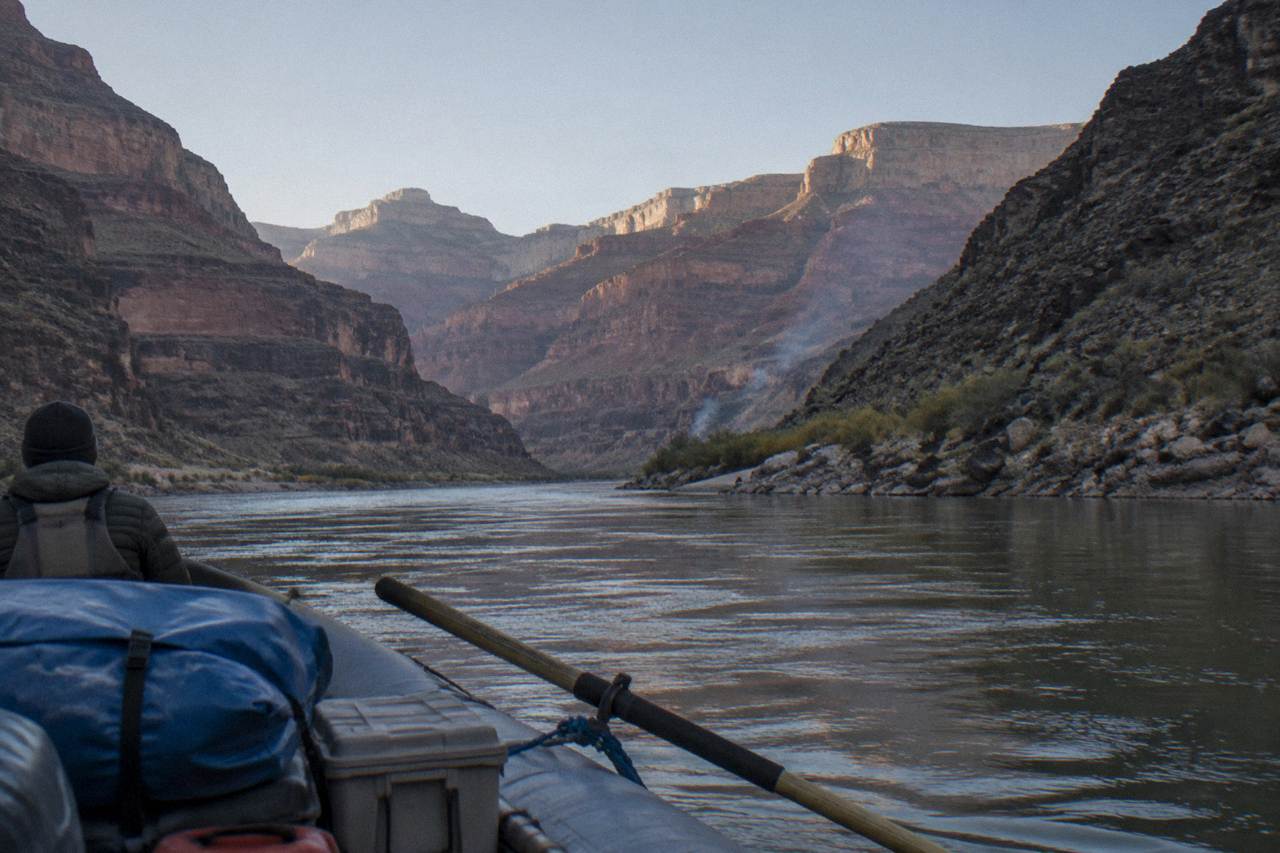
The Colorado River through Grand Canyon National Park is one of the most tightly managed stretches of moving water in the United States. Every person who floats the 226 river miles from Lees Ferry to Diamond Creek does so under either a commercial concessioner permit or a private, noncommercial river permit, and the private permits are handed out by a weighted lottery that opens applications for three weeks each February. Demand has outrun supply for decades. The park's own planning pages state that commercial trips are often reserved a year or two ahead, and the private side is tighter still.
The short version for anyone asking how hard this really is: hard enough that most applicants lose, and structured enough that losing costs a real fee. The 2027 launch year lottery offers 478 permits for self-guided trips lasting 12 to 25 days. Applications opened on 2 February 2026. There is no short private trip to apply for; if you cannot commit two weeks to three and a half weeks on the river, the private lottery is simply not your route in. A guided trip, by contrast, carries its own concessioner permit and needs nothing from you but a booking. If your calendar cannot stretch that far, our breakdown of Grand Canyon trip lengths covers shorter river options and what each one actually asks of you.
This article walks through the lottery mechanics, the costs on top of the permit itself, the odds-building weighting system, and the practical alternatives, including the guided multi-day trips that let you float the same river without winning anything.
How Hard Is It To Get A Permit To Float The Grand Canyon?
It is hard, and the structure guarantees it stays that way. The National Park Service runs one main lottery each February, and for the 2027 launch year it is distributing 478 permits for private trips of 12 to 25 days on the Colorado River through the canyon. Any adult can apply, every application costs $25 whether you win or lose, and winners then pay a river permit fee of $90 per participant. Most applicants do not draw a permit.
The difficulty is not a paperwork problem. It is arithmetic. The river corridor has a carrying capacity set by the park's management plan, launch slots are rationed by month, and the number of people who want to float the canyon privately in a given year exceeds the number of launches available. The park acknowledges the imbalance openly: its weighted lottery page describes a system built to reward repeat losers precisely because so many people lose repeatedly.
Three things make the private permit unusually demanding compared with, say, a wilderness permit elsewhere in the park system. First, the trip length floor: 12 days minimum for a standard trip, which filters out casual applicants before they even enter. Second, the skill and equipment burden, since a noncommercial trip means your own rafts, your own guides among your group, your own food rig and your own risk. Third, the calendar, because one missed February means waiting a full year for the next main lottery. Follow-up and leftover-slot lotteries exist through the year, but the main draw each February is the primary door.
For readers whose real goal is simply to be on the river through the canyon rather than to run their own trip, the commercial side dissolves the problem entirely. The park has selected 16 authorized commercial river companies under contracts running from 2024 through 2033, offering guided trips of 3 to 18 days from Lees Ferry through to the Pearce Ferry area. Those trips carry their own permits. You reserve a seat, you go. Our companion overview of multi-day Grand Canyon rafting trips breaks those options down trip by trip.
How Does The Grand Canyon River Lottery Actually Work?
The main lottery accepts applications during the first three weeks of February, with results announced by the end of the month. For the 2027 launch year, applications opened on 2 February 2026. Applicants must be 18 or older, may submit one application per launch year, and rank the alternative launch dates and trip configurations they would accept. The park then fills 478 permits across the year's launch calendar according to a weighted draw.
The weighting is the part most first-time applicants underestimate. The lottery is not a flat raffle. Each applicant accumulates points based on prior unsuccessful applications and prior use of the river, so someone who has applied and lost for several consecutive years carries substantially better odds than a first-time applicant chasing a peak-season July launch. The system exists to keep the canyon from being captured by lucky newcomers while still giving everyone a legal path in.
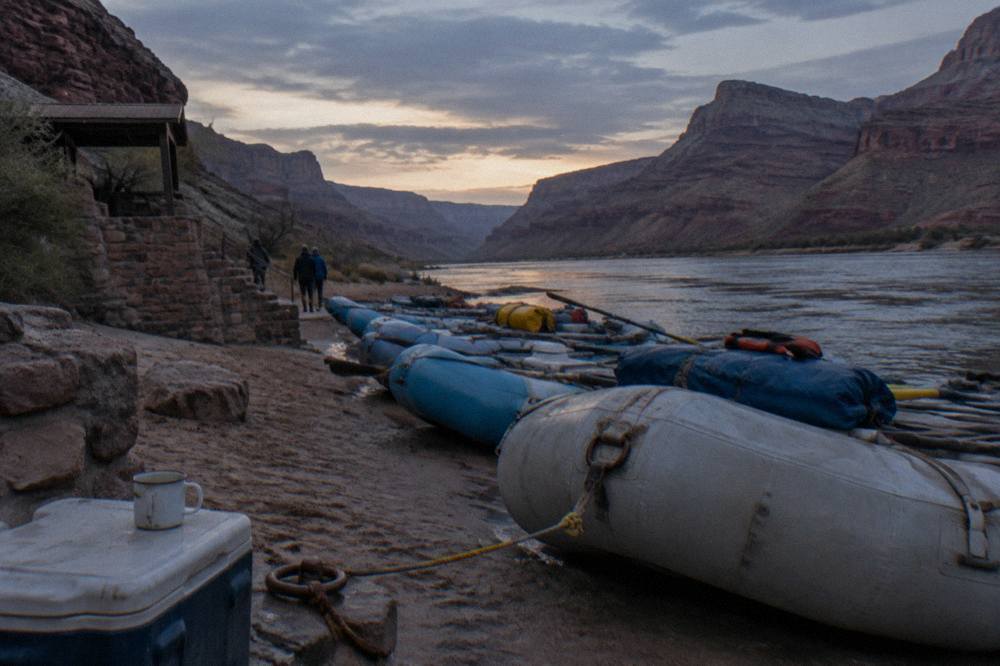
A won permit is not transferable in the casual sense people imagine. The permit holder must be on the trip, participants are added to the permit, and the park charges per-participant fees for each name on it. There is also a late-add charge of $100 per participant for names added after the deadline, a detail that catches groups whose numbers shift in the final weeks. Groups also need to plan around the Diamond Creek take-out, which sits on Hualapai tribal land and requires its own advance permit and a tribal fee, a second layer of administration the park's lottery page flags directly.
Beyond the main February draw, the park runs follow-up lotteries through the year to reissue cancelled and unclaimed launch dates, and a small number of trips become available through the waiting list process at Lees Ferry for river travelers already positioned there. These side doors are real, but they favor flexible schedules and local presence. If your vacation calendar is fixed a year ahead, the February main lottery is the realistic entry point, and everything else is a long shot layered on a long shot.
What Does A Private Grand Canyon Permit Cost?
Applying costs $25 per lottery entry, once per launch year, paid win or lose. A winning standard-trip applicant pays a $400 deposit, small-trip applicants pay $200, and every participant on the trip pays a $90 river permit fee plus a $20 entrance fee for those 16 and older. The deposits apply toward the final trip cost, and late participant additions cost $100 each.
None of that covers the trip itself. A private launch means your group supplies or rents the rafts, the frames, the dry bags, the satellite communication or signaling equipment the park requires, the food and kitchen rig for two or more weeks, and the shuttle logistics at both ends of 226 river miles. The park's river concessioners page describes the commercial world of motorized rafts, oared rafts, paddle rafts and dories precisely because that equipment and expertise base is substantial, and private groups are recreating a version of it on their own dime and judgment.
Here is how the direct lottery costs stack up, using the figures the park publishes on its weighted lottery and fees pages:
| Cost Item | Amount | When It Applies |
|---|---|---|
| Lottery application | $25 | Every applicant, every launch year, win or lose |
| Standard trip deposit | $400 | Winning applicants for standard trips, applied to final cost |
| Small trip deposit | $200 | Winning applicants for small trips, applied to final cost |
| River permit fee | $90 per participant | Every person on the trip |
| Entrance fee | $20 per participant 16+ | Added to permit costs |
| Late participant add | $100 per participant | Names added after the deadline |
It is worth putting those numbers beside the guided alternative. The Grand Canyon: 6 Day Motorized Raft Trip with Meals & Flight, run by Aramark's Wilderness River Adventures, is listed from $3,420 per person with pickup in Page, meals, camping and the flight included, as a new listing with no reviews yet. A private trip's sticker looks cheaper on paper until you price the gear, the food, the shuttles and the multiple lottery years it realistically takes to launch. Our full cost breakdown at how much Grand Canyon rafting costs runs the comparison in detail.
What Are Your Real Odds Of Drawing A Permit?
The park does not publish a single win-rate figure, and any precise percentage quoted online is a reconstruction. What is verifiable is the structural imbalance: 478 permits for the 2027 launch year against an applicant pool that has exceeded the permit supply for years, with odds further shaped by the weighting system, your chosen launch month and your trip length. Peak-summer dates are the most oversubscribed; shoulder-season and large-trip configurations give a weighted applicant better chances.
The honest framing is that the lottery is winnable but rarely winnable on the first try. The weighting exists specifically because the park expects repeat applicants. Players of the long game enter every February, take whatever points accrue from each loss, and treat the canyon as a multi-year project. That is a fine strategy if the trip itself, the planning of it, the assembling of a crew and a rig, is part of the appeal. It is a poor strategy if what you actually want is to see the river in the next year or two.
A few practical levers genuinely move your draw. Applying for less popular months rather than the summer peak. Considering the small-trip configurations where the park's rules allow them, though the 478 permits for the 2027 launch year cover 12 to 25 day trips, so the short-trip route is narrow. Entering every single year without gaps, since the weighting rewards consecutive unsuccessful applications. And building your crew list early, because a won launch with no committed paddlers collapses fast.
The other statistical reality: the commercial side absorbs far more river travelers than the lottery ever will. Sixteen concessioners run 3 to 18 day guided trips under contracts through 2033, and those seats are bought, not drawn. If your odds calculus says a decade-weighted lottery campaign does not fit your life, the guided route is not a consolation prize; it is how most people who float the canyon actually get there. Readers weighing the two paths against each other may find our Grand Canyon rafting companies guide a useful next stop.
Can You Float The Grand Canyon Without Winning A Lottery?
Yes, and most floaters do. Every guided commercial trip runs on the operator's concessioner permit, so booking a seat requires no lottery, no points and no February deadline. The park lists 16 authorized companies offering 3 to 18 day trips from Lees Ferry downriver, and the one-day smooth-water floats out of Page on the Glen Canyon stretch ride the same concessioner framework. A guided booking is a reservation, not a draw.
The distinction matters because the two products are often blurred together online. The lottery, the $25 application, the 478 permits and the 12 to 25 day trip lengths apply exclusively to private, self-guided launches. Guided trips are a different regulatory track: the park selected the 16 companies through a competitive process, per the National Park Service's own announcement of the contracts effective 2024 through 2033, and each company's trips operate under its authorization. From the traveler's side, that entire apparatus is invisible; you compare itineraries, dates and prices and reserve a seat.
| Route Onto The River | What You Need | Trip Lengths | Who It Suits |
|---|---|---|---|
| Private lottery permit | $25 application, deposit, fees, own gear and crew | 12 to 25 days | Experienced river groups playing a multi-year game |
| Guided multi-day trip | A booking, no lottery | 3 to 18 days | Travelers wanting the full canyon without the rig |
| One-day Page float | A booking | Roughly 5 hours on smooth water | Families and day-trippers sampling the river |
| Black Canyon float below Hoover Dam | A booking | 1.5 to 6 hours, calm water | Las Vegas visitors wanting water time, no canyon commitment |
The one-day tier deserves its own sentence because it confuses people: the park's one-day river trips are the smooth-water floats between Glen Canyon Dam and Lees Ferry that begin in Page, not whitewater through the Grand Canyon itself. The five-hour Horseshoe Bend float from Page, run by Wilderness River Adventures and listed from $149.51 per person with a 4.9 rating from 194 reviews, covers about 10 smooth river miles with a bus ride to Lees Ferry included. One guest review calls it plainly: "The float was easy, informative, fun, and safe for all ages. Every part of it was a positive experience." It is the gentlest possible introduction to Colorado River water, and it needs nothing from the lottery. If you'd rather run that stretch on your own, our guide to floating Glen Canyon to Lees Ferry explains the simple permit rule for private rafts.
On the far end of the spectrum, the West Rim whitewater day from Peach Springs, the Grand Canyon West: Whitewater Rafting, Helicopter, & Skywalk trip listed from $688.85 per person, puts you in actual whitewater in a single day, with a helicopter exit from the canyon floor. It carries a 5 rating from 4 reviews, a small pool, and a minimum age of 8 per the operator's season pages. Neither experience touches the permit system.
What Does A Guided Multi-Day Trip Actually Buy You Over A Private Launch?
A guided multi-day trip buys you the things a private launch leaves you to arrange yourself: the permit, the equipment, the food, the trained crew and the schedule. The two multi-day listings here show the range: a 3-day camping and helicopter itinerary out of Las Vegas from $1,855 per person, and a 6-day motorized trip from Page from $3,420 per person with meals and the flight included.
Consider what disappears from the planning load. No February application window. No $25 entry and no weighting arithmetic. No deposit scheme, no participant fee ledger, no late-add charges, no Hualapai take-out permit to arrange separately. The concessioner handles the launch date, the rafts and frames, the kitchen and the crew, and the park's planning pages note these trips are often reserved a year or two ahead, so the guided route's scarcity is calendar scarcity, not lottery scarcity. You trade a random draw for early planning, which most travelers find a much more solvable problem.
The 6-day motorized option, the Grand Canyon: 6 Day Motorized Raft Trip with Meals & Flight, covers the classic upper-canyon motor format with transport between Las Vegas and Page, all meals and the flight component in the price. The 3-day option out of Las Vegas compresses the canyon into a long weekend with camping and a helicopter element, from $1,855 per person. Neither listing has accumulated reviews yet, which is worth stating plainly rather than dressing up: these are fresh inventory from an established concessioner, not proven crowd-pleasers with a review history. Readers who want a deeper treatment of the format trade-offs should see our motor versus oar rafting comparison.
For travelers who want river time without any multi-day commitment, the Black Canyon floats below Hoover Dam, like the 3-Hour Black Canyon Motorized Raft Tour from $140 per person with a 4.8 rating from 413 reviews, offer calm water, hot-spring sidetrips and a lunch, all inside a Las Vegas day. One recent guest review sums up the appeal: "Very informative trip. A delight to see the landscape up close. A must do whilst in Vegas."
Is The Lottery Worth Playing At All?
If a self-guided canyon trip is a genuine life goal and you have the river skills, the crew and the patience for a multi-year campaign, the lottery is absolutely worth playing, because it is the only legal route to a private launch. If your interest is primarily in experiencing the canyon from the water within the next couple of years, the math favors booking a guided trip and treating the lottery as a separate, optional hobby.
The two goals get conflated constantly in river forums. Winning a permit is a logistics achievement; floating the canyon is a travel experience. Plenty of people chase the first for years and never secure the second, while their guided-trip counterparts spend a week under Redwall Cavern and are home before the lottery results even post. There is no wrong answer, but there is a wrong pairing of strategy to desire, and it usually looks like a casual traveler paying application fees for five consecutive Februaries out of inertia.
The lottery player's calendar is worth writing down: applications the first three weeks of February, results by the end of February, one application per launch year, $25 per application. The 2027 launch year draw offered 478 permits for 12 to 25 day trips. Everything the park publishes about the system lives on its weighted lottery page, which is also where follow-up lotteries and cancellation reissues are announced: the park's weighted lottery page. The concessioner side, including the authorized company list, is documented at the park's river concessioners page.
One honest closing note on season and conditions: the commercial river season runs April through October, and the park's planning materials advise checking current river conditions and operator pages before committing to any date, since water releases and weather decide what any given launch looks like. No listing or permit guarantees conditions. The river does what the river does, and every experienced operator plans around it.
Getting onto the Colorado through the Grand Canyon, then, is hard by design on the private side and merely early on the commercial side. Decide which of those two problems you would rather solve, and the rest of the planning falls into place quickly. Whatever you choose, the resource at Grand Canyon Rafting Tours exists to compare the trips side by side, and the selection below is a reasonable place to start.
Common Questions About Grand Canyon River Permits
How hard is it to get a permit to float the Grand Canyon?
Very hard on the private side. The main lottery each February distributes a limited number of permits, 478 for the 2027 launch year, for self-guided trips of 12 to 25 days, against an applicant pool that regularly exceeds supply. The weighting system improves odds for repeat applicants. Guided commercial trips need no lottery win at all.
How do I apply for a Grand Canyon river permit?
Apply through the park's weighted lottery during the first three weeks of February. Applicants must be 18 or older, may apply once per launch year, and pay a $25 application fee. Results post by the end of February, and winners pay deposits plus per-participant river permit and entrance fees.
Can you float the Grand Canyon without a permit?
No. Every person on the river through the canyon travels under either a private noncommercial permit or a commercial concessioner's authorization. The practical no-lottery route for most travelers is a guided trip, where the operator's permit covers you as a passenger.
How much does a Grand Canyon river permit cost?
Counting the direct lottery costs: $25 to apply, a $200 or $400 trip deposit if you win, $90 per participant for the river permit, $20 per participant entrance fee for ages 16 and up, and $100 per late-added participant. The deposits apply toward the trip's final cost.
How far in advance do Grand Canyon rafting trips book?
The park states that commercial trips are often reserved a year or two in advance. Private lottery winners plan their launch at least a year ahead by the structure of the February draw. For guided trips, booking as early as your dates allow is the reliable strategy.