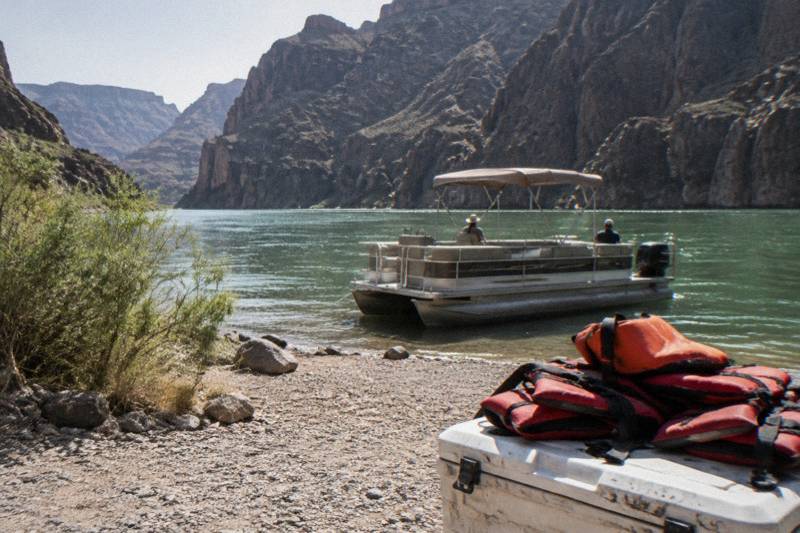
Colorado River Water Temperature In The Grand Canyon
The park puts Black Canyon water in the low 50s F year round, and a gauge at Lees Ferry read about 67.8 F on one early-October day. Here is what the official sources actually say about Colorado River water temperature, and what that means for the clothes you pack.
Short answer
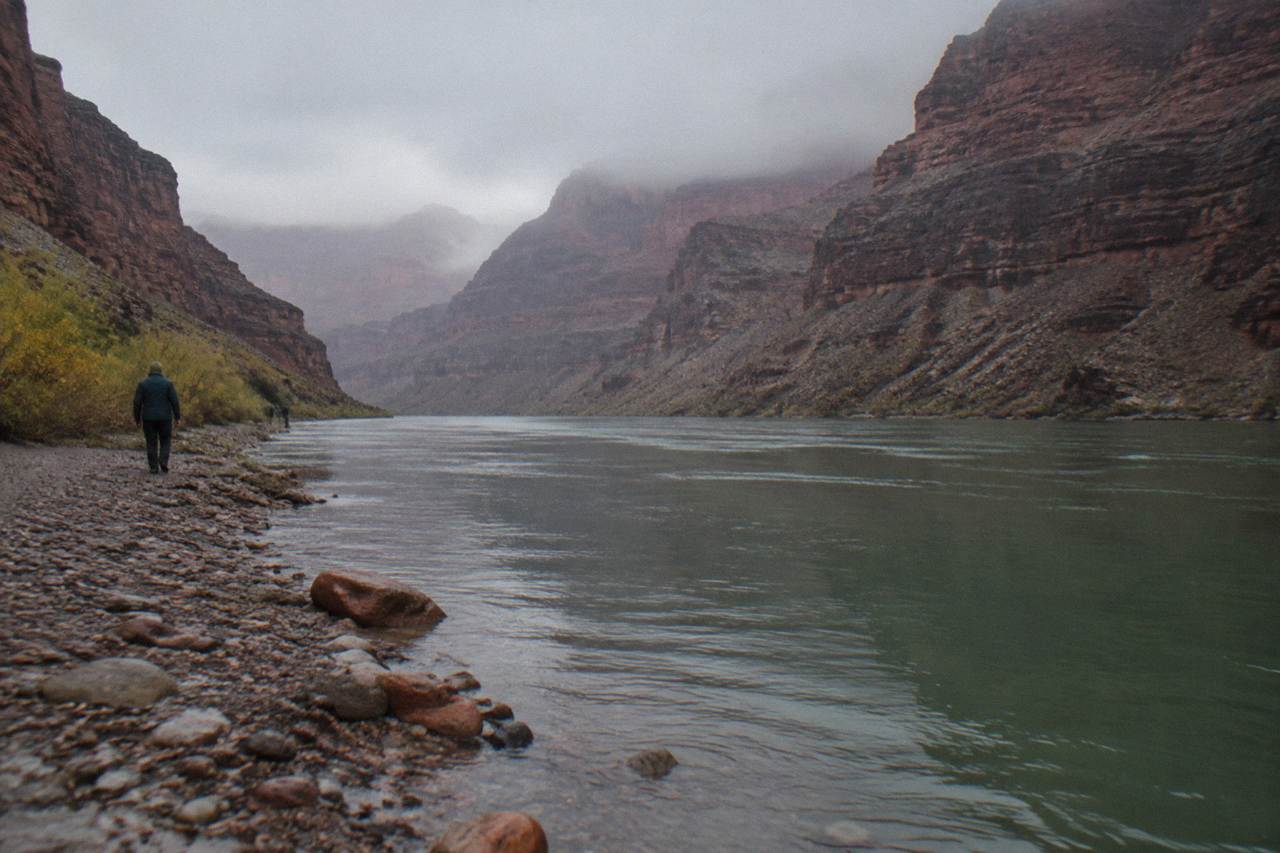
The National Park Service states that Black Canyon water temperatures are cold, in the low 50s F, year round. At Lees Ferry, one early-October gauge reading showed about 67.8 F, a single day's figure rather than a seasonal average. Dam releases, not sunshine, set the temperature, so plan for cold water even in summer heat.
The Colorado River is cold, and the reason is not the season. Water entering the river corridor comes from the bottom of deep reservoirs, where it sits far below the sunlit surface all year, and it arrives in the canyon close to that temperature no matter how hot the rocks above it get. The National Park Service states plainly that in Black Canyon, below Hoover Dam, water temperatures are cold, in the low 50s F, year round. Further upstream, at Lees Ferry, a river gauge read about 67.8 F on one early-October day, a single reading rather than a seasonal figure. Those two numbers, and the dam operations behind them, are what this guide works from, because a reader checking water temperature is usually about to book a float and needs to know what to wear. That year round chill is exactly why our cold water rafting wardrobe checklist is worth a read before you start packing.
This site compares the rafting trips sold on the Colorado and its neighboring canyons, from the three-hour motorized float below Hoover Dam to the half-day Page float on smooth water, and temperature questions come up before almost every booking. The short version: the water is colder than the air, every month of the year, and the right clothing matters more than the right month.
How Cold Is The Colorado River In The Grand Canyon?
The Colorado River in the Grand Canyon corridor runs far colder than most people expect, because its water is drawn from deep in Lake Powell behind Glen Canyon Dam. The park's own pages give one firm anchor for the region: Black Canyon water sits in the low 50s F year round. No official source publishes a single verified temperature for the 226 miles from Lees Ferry to Diamond Creek, so honest answers come section by section, not as one number.
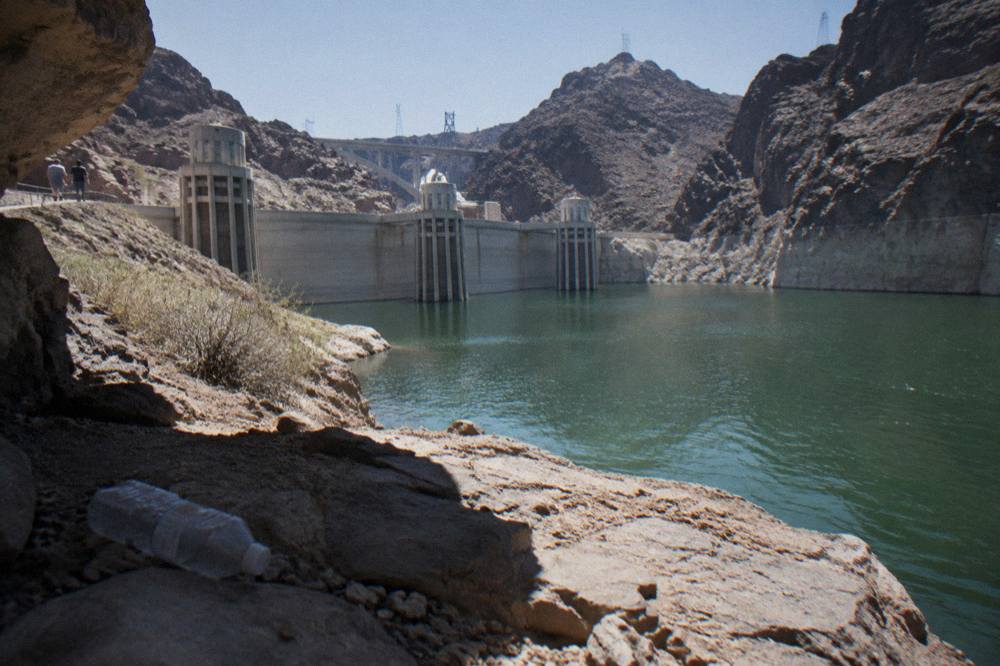
The river people raft near Las Vegas, in Black Canyon below Hoover Dam, is part of Lake Mead National Recreation Area, not the Grand Canyon itself, and its temperature is the best documented in the region. The park states that water temperatures there are cold, in the low 50s F, year round, and that visitors can paddle or boat year round. That is the figure to plan around for every Hoover Dam float listed on this site, including the three-hour motorized raft tour with optional transport, which runs on exactly this water.
Upstream, the picture is patchier, and this guide will not paper over that. The Bureau of Reclamation, which operates Glen Canyon Dam, publishes monthly release volumes rather than a simple river temperature, and a USGS gauge at Lees Ferry read about 67.8 F on one early-October day. One reading on one day is not a seasonal average, and treating it as one would mislead readers. A figure sometimes quoted for the dam release itself, in the mid 40s F, does not appear in current official sources, so this site does not print it.
What can be said with confidence is the mechanism. Water released from Glen Canyon Dam comes from deep in Lake Powell, well below the warmed surface layer, so it enters the river cold and warms only gradually over the miles. The park's one-day smooth-water trips run on the stretch between the dam and Lees Ferry, and the multi-day whitewater trips through the Grand Canyon proper run on the 226 river miles from Lees Ferry downstream. For planning clothes, the honest rule is simple: assume water in the 50s to low 60s F range on any stretch you can book, and treat anything warmer as a pleasant surprise.
| River section | What the official sources say | Confidence |
|---|---|---|
| Black Canyon, below Hoover Dam | Cold, in the low 50s F, year round | Firm, stated by the park |
| Lees Ferry gauge, near the Page float | About 67.8 F on one early-October day | One reading, not a seasonal figure |
| Glen Canyon Dam release temperature | Not confirmed in current official sources | Not printed on this site |
| Grand Canyon corridor, Lees Ferry to Diamond Creek | No single verified figure published | Plan for cold water year round |
Why Dam Releases, Not Sunshine, Set The Temperature
Glen Canyon Dam and Hoover Dam both release water from deep in their reservoirs, which is why the river below them stays cold through the hottest months. The Bureau of Reclamation publishes its monthly release volumes, and those flows decide how the river behaves far more than air temperature does. Swimsuit weather is real; bathtub water is not.
The Colorado that carved the Grand Canyon used to warm and cool with the seasons, carrying snowmelt that peaked in late spring. The modern river is a regulated river. Lake Powell sits behind Glen Canyon Dam, and the water that leaves the dam is drawn from deep in the reservoir, where sunlight never reaches. That water is cold in April and cold in October, and the canyon's famous summer air temperatures, which can be brutal on the rims, do almost nothing to change it over a day's float.
The Bureau of Reclamation tracks all of this publicly. Its Glen Canyon Dam operations page lists anticipated monthly release volumes, which shift through the year as the water year's allocation is distributed. For a rafter, the practical meaning is that release volumes shift through the year and the river's character shifts with them, but the water coming through the dam stays cold regardless. Anyone who wants to see the current numbers can read the Bureau of Reclamation's Glen Canyon Dam page, and the live gauge data for Lees Ferry is published at the USGS station for that site.
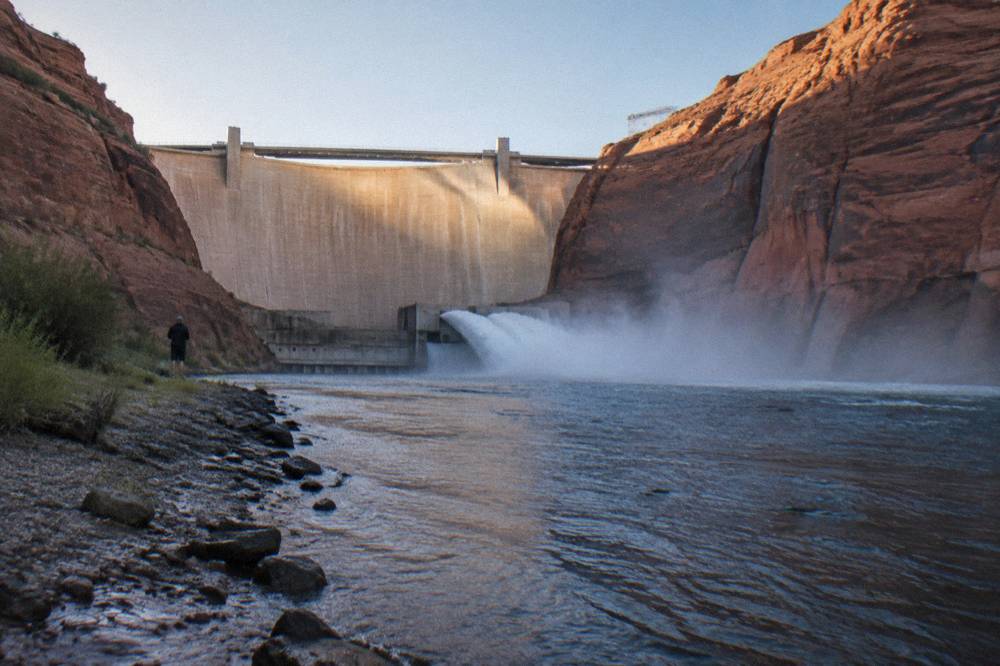
This is why the question "what's the water temperature" has no single honest answer, and why any site that prints one number for the whole river is guessing. The sections people actually raft are different bodies of water in practice: the Black Canyon float below Hoover Dam, the smooth-water stretch between Glen Canyon Dam and Lees Ferry that the Page trips use, and the whitewater corridor below Lees Ferry that only multi-day trips run. Temperature, current and scenery all differ, and the tours differ to match.
If you are choosing between the main float options on this site, the trio below covers the three most common plans: the three-hour motorized raft below Hoover Dam with lunch, the five-hour Page float on smooth water, and the four-hour Hoover Dam float with a swim stop.
Black Canyon Water Temperature Near Hoover Dam
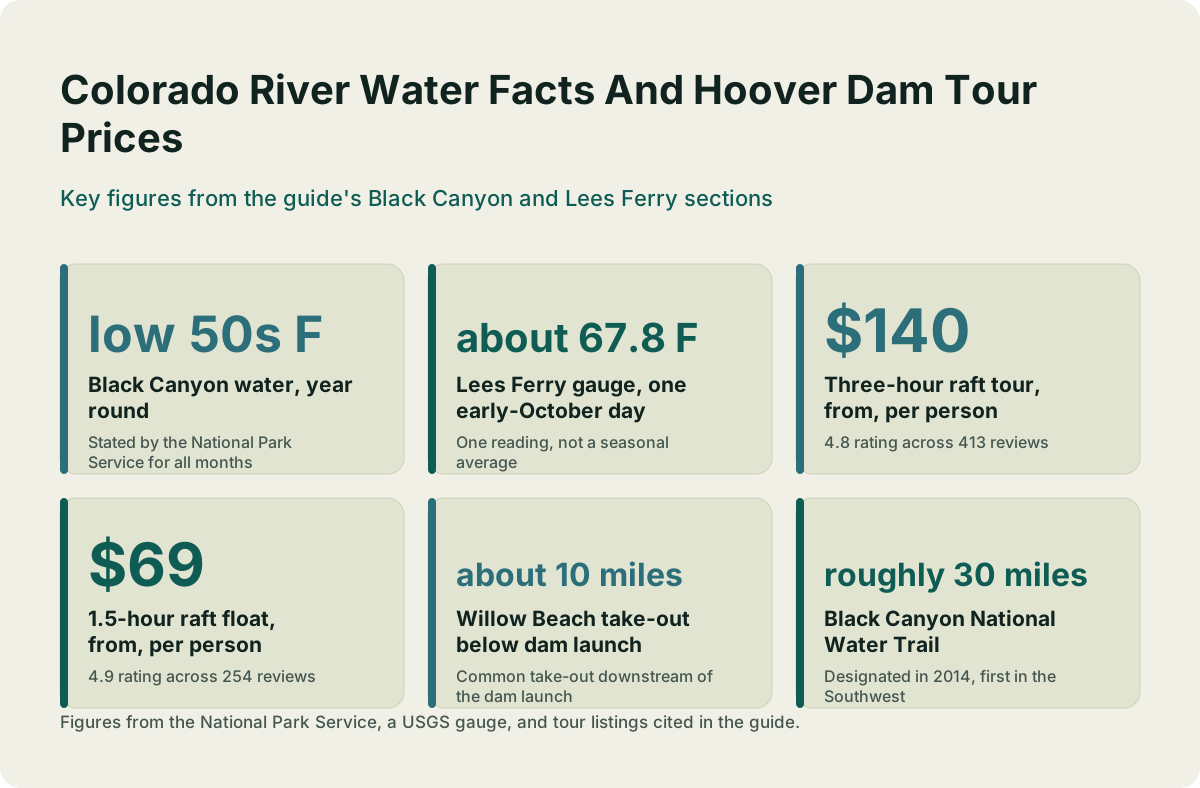
Black Canyon's water sits in the low 50s F every month of the year, a figure the park states directly, and every Hoover Dam raft tour on this site runs on it. That is cold enough to feel sharp on first contact and cold enough to matter for small children, but it is also swimmable, and several tours include deliberate swim stops. The canyon itself is part of Lake Mead National Recreation Area, not the Grand Canyon.
The National Park Service describes Black Canyon as a National Water Trail roughly 30 miles long, designated in 2014 as the first such trail in the Southwest. Launching at Hoover Dam itself is an exclusive experience provided by a limited number of permitted vendors, and guests are escorted to the launch on a narrated bus ride into the Hoover Dam Security Zone, which is why you cannot simply put your own rented raft in at the base of the dam. The trips listed here operate with that access.
The three-hour motorized raft tour with optional transport, run by Black Canyon/Willow Beach River Adventures, is the most booked way to see this stretch, from $140 per person, with a 4.8 rating across 413 reviews. Guests on the listing report that the water and the scenery are the draw; one review from Kelly M reads, "It was amazing. Wonderful guides who shared so much knowledge. Saw beautiful scenery and things that we could never have experienced if not on that tour!" Another, from Ruth C, adds practical cold-water advice: "Wear sunscreen even if it is cloudy and cool. Take video so you can get the guide's narration as well. The lunch, view, and guide were well above expectations." Free cancellation applies up to 24 hours before the start time on this listing.
Because the water is in the low 50s F even when Las Vegas is over 100 F, the swim stops feel wonderful for a few minutes and cold after that. The park notes that Emerald Cave sits 2 miles upriver from Willow Beach, and the common take-out at Willow Beach is about 10 miles downstream of the dam launch. Dress for cold water, not for the weather forecast, and you can read more in the guide to Hoover Dam rafting tours and water temperature.
For a shorter, cheaper taste of the same cold water, the 1.5-hour Hoover Dam raft float, from $69 per person with a 4.9 rating across 254 reviews, covers the launch below the dam without transport or a meal. A guest review from Meredith W captures the appeal: "This was an amazing tour and a great chance to see the Hoover dam from a different angle that most people don't get to see!" The same low-50s water applies, so the clothing advice below is identical.
Lees Ferry And The Page Float: What The Gauge Actually Says
At Lees Ferry, the put-in for the Page float trips and the start of the Grand Canyon corridor, a gauge read about 67.8 F on one early-October day. That is a single reading, not a seasonal average, and this site treats it as exactly that. The half-day Page float runs on the smooth water between Glen Canyon Dam and Lees Ferry, the same regulated, dam-fed stretch the park describes for its one-day river trips.
The National Park Service is specific about what a one-day river trip in the Grand Canyon area actually is: the smooth-water float between Glen Canyon Dam and Lees Ferry, beginning in Page, with guests bused to Lees Ferry. The half-day Horseshoe Bend float trip listed here, run by Wilderness River Adventures, fits that description, from $149.51 per person with a 4.9 rating across 194 reviews, about 5 hours and roughly 10 river miles. The operator's season for 2026 runs from the start of March to early November, with the minimum age at 4. A guest review from Donna R says, "The float was easy, informative, fun, and safe for all ages. Every part of it was a positive experience."
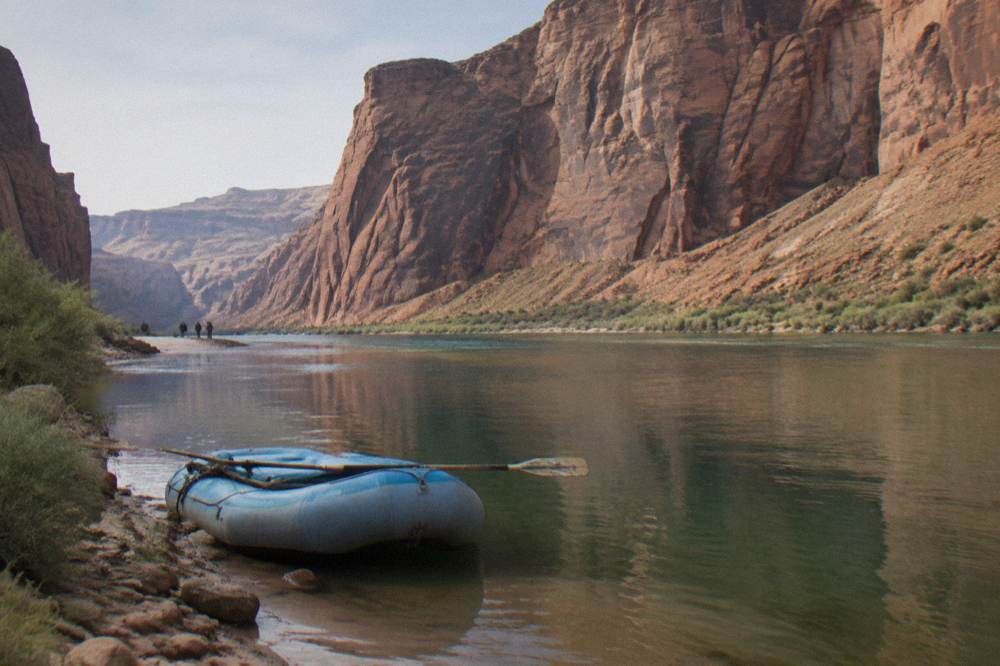
The 67.8 F reading matters because it is the only verified recent temperature number for this stretch, and it is warmer than Black Canyon's low 50s F. That tracks with the geography: water leaving Glen Canyon Dam has 15 river miles to warm slightly before Lees Ferry, and the wide, slow, smooth-water section absorbs more sun than the shadowed narrows of Black Canyon. But one October day proves nothing about March. Treat the Page float as cool-to-mild water, bring a layer, and check the live gauge linked above if the exact figure matters to you.
The same operator page also notes that a private craft on this stretch needs a free self-serve Lees Ferry backcountry permit, while the concessioner float trips ride under the operator's own authorization, so a booked guest has no permit paperwork to handle. Cancellation terms differ between the two Page listings, one requiring cancellation up to 2 days in advance with a fee, so read the booking page for the specific trip before you commit.
A second listing, the Page: Horseshoe Bend Colorado River Half-Day Rafting Trip, is the same Wilderness River Adventures trip sold under a separate listing at the same from-price of $149.51, with a 4.9 rating across 86 reviews. It is not a different day on the river.
What Cold Water Means For Your Body On A Float
Water in the 50s F range feels startling for the first seconds, numbing within minutes on unprotected skin, and it drains body heat far faster than air of the same temperature. On a guided float, the exposure is controlled: you are on a raft, not swimming continuously, and swim stops are short by design. The risks that matter are prolonged immersion and small children getting chilled, both of which the right clothing prevents.
Cold water pulls heat from a body roughly 25 times faster than cold air, which is why the park's low-50s F figure deserves respect even on a 100 F day in Las Vegas. On the motorized rafts used for the Black Canyon floats and the Page float, guests spend most of the trip above water, splashed occasionally, and in and out for swims. That is a completely different exposure profile from a swimmer in open water, and guided trips are built around it. The guides on these trips handle cold-water guests every day and set the pace of swim stops. Everything else covered here is indexed on Grand Canyon Rafting Tours.
The people who get cold on these floats are almost always the ones dressed for the air, not the water: cotton shirts that stay wet, swim trunks alone on a breezy stretch, no dry layer for the return boat ride. A verbatim review on the three-hour Black Canyon tour, from Lynne N, calls it "a must do whilst in Vegas," but the same listing's reviews also carry the sunscreen-and-layers advice quoted earlier, which is the pattern across every cold-water float: sun protection and warmth are not opposites here, they are the same packing list.
For the West Rim whitewater day, the exposure is bigger. The Hualapai river season runs April to October with a minimum age of 8, the trip launches at Diamond Creek near Peach Springs, and it includes real rapids, which means real soakings. Grand Canyon Resort Corporation's one-day whitewater, helicopter and Skywalk trip, from $688.85 per person with a 5 rating from 4 reviews, is the listing here for that experience, and the park-service cold-water logic applies to it with more force, because you will spend more of the day wet.
| Situation on the water | What the cold water does | What to do about it |
|---|---|---|
| Riding a motorized raft, mostly dry | Occasional splashes, brief chill | Light synthetic layer, wind shell for the boat ride |
| Scheduled swim stop in low-50s F water | Sharp cold for the first minute, then numbing | Keep swims short, exit before shivering starts |
| Whitewater rapids on the West Rim day | Repeated soakings through the day | Quick-dry clothes, fleece, dry bag with a spare layer |
| Small children on any float | Chill sets in faster on small bodies | Towel, dry clothes and a warm layer ready at the take-out |
What To Wear On A Cold-Water Grand Canyon Float
Wear quick-drying synthetic or wool layers, sun protection, and a dry change of clothes, every month of the year. Cotton is the one fabric to avoid, because it holds water against the skin and loses its insulation when wet. The water is cold in the low 50s F in Black Canyon and cool-to-mild near Lees Ferry regardless of the air temperature, so the packing list barely changes between March and October.
The layering logic is the same on every trip in this comparison. A synthetic or merino base layer, board shorts or quick-dry pants, a hat with a brim, sunglasses with a retainer strap, and reef shoes or sandals that can get wet cover 90 percent of days. Add a fleece or light insulated jacket for the boat ride back, when wet skin meets canyon wind, and a windproof shell if the forecast is breezy. Sunscreen belongs in the bag even on cloudy days, exactly as the guest review quoted earlier advises, because the water reflects sunlight up from below.
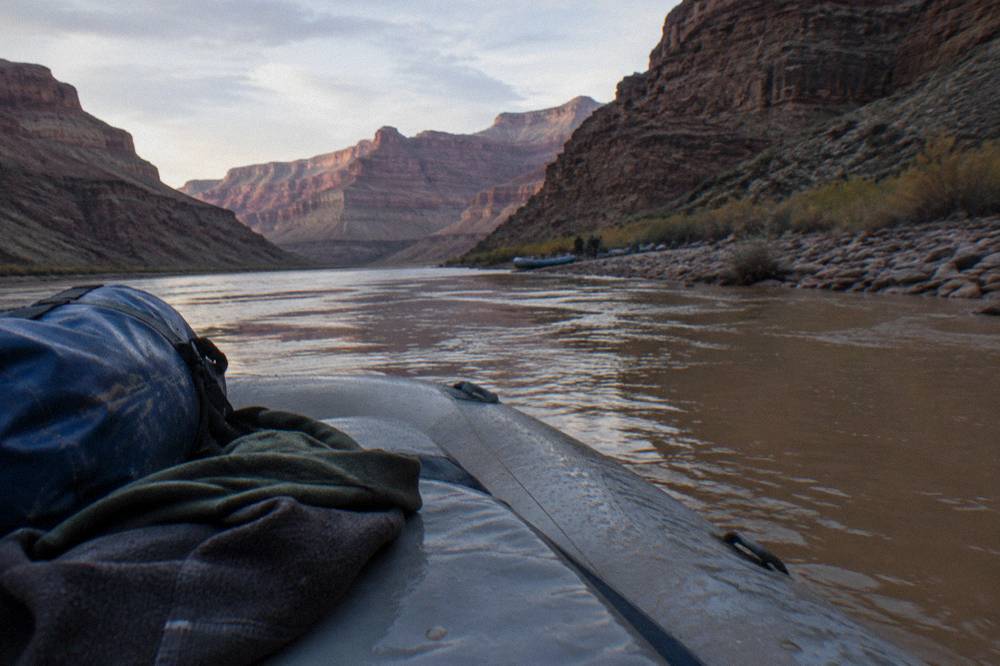
The season changes the emphasis, not the list. In the hottest months the swim stops are the point, and the dry layer is for the ride home. In spring and late autumn, when the same low-50s F water meets cooler air, the fleece stops being optional. The park states that Black Canyon can be paddled year round, and the Page float season runs from March into early November, so shoulder-season trips are common, and the guests who enjoy them are the ones who packed for the water rather than the calendar.
| Item | Why it earns its place | Notes |
|---|---|---|
| Synthetic or merino base layer | Insulates even when damp | No cotton alternatives |
| Brimmed hat and sunglasses | Sun reflects off the water surface | Retainer strap for the glasses |
| Footwear that can get wet | Every boarding involves wet surfaces | Reef shoes, sandals or old sneakers |
| Fleece or light insulated jacket | Warmth for the return ride | Lives in a dry bag until needed |
| Dry bag with a full change | The take-out feels 20 degrees colder | Most operators also bring dry storage |
| Sunscreen | Reflected UV doubles exposure | Reapply after every swim stop |
For a deeper treatment of seasonal packing, the guide to what to wear Grand Canyon rafting covers the full trip lengths, and the best time to raft the Grand Canyon guide pairs the temperature question with the booking calendar.
Seasons, Releases And Why The River Never Warms Up
The commercial river season runs April through October, but the water temperature barely follows it. Glen Canyon Dam releases deep reservoir water that stays cold whether the month is April or September, and the Bureau of Reclamation's published operations govern the flows. Air temperature, not water temperature, is what actually changes through the year.
This is the counterintuitive part that catches even experienced desert travelers. The canyon is famous for extreme summer heat, and the river running through it looks like it should be warm. It is not. The water has spent months or years in the deep of Lake Powell before passing through the dam, and it arrives at a temperature set by the reservoir's depths, not by the desert sun. Over a 5-hour Page float or a 3-hour Black Canyon float, the water warms by an amount too small to feel.
The dam's operations are public, and they matter to trips in a different way than temperature: release volumes shape the current and the water level on the smooth-water stretch. The Bureau of Reclamation's monthly projections, published as part of its water year operations, set the size of those releases. Conditions on the river change with these operations, so a trip's exact character is never guaranteed, and the operator's listing is the place to confirm what a given departure will look like.
Which Tours Put You On Which Water
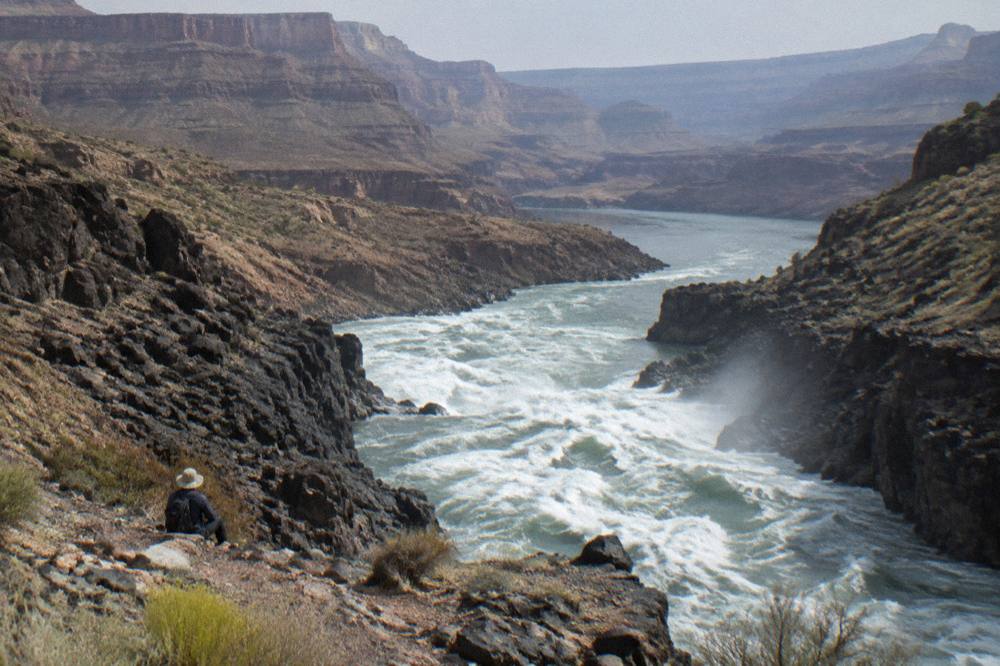
Every raft tour on this site runs on cold, dam-fed water, but the exposure differs by format: short floats keep you mostly dry, swim-stop tours get you wet on purpose, and the whitewater day soaks you repeatedly. The table below pairs each main listing with its water type, duration and from-price, so you can match the temperature reality to the trip you actually want.
The honest comparison is not temperature against temperature, since all of these run cold water, but exposure against comfort. A family with small children is well served by the smooth-water Page float, minimum age 4, or the short Black Canyon floats, where the cold water is an optional swim stop. A traveler who wants to be properly soaked should look at the West Rim whitewater day or the multi-day corridor trips, which are a different category of experience entirely: the National Park Service authorizes 16 commercial companies for trips of 3 to 18 days on the 226 river miles from Lees Ferry, and those trips are often reserved a year or two in advance.
| Tour | Water | Duration | From price | Rating and reviews |
|---|---|---|---|---|
| 3-Hour Motorized Raft, Lunch (Black Canyon) | Low 50s F, smooth | 3 hours | $140 per person | 4.8 from 413 reviews |
| 1.5-Hour Float, No Transport (Black Canyon) | Low 50s F, smooth | 1.5 hours | $69 per person | 4.9 from 254 reviews |
| 4-Hour Float, Swim Stop (Black Canyon) | Low 50s F, smooth | 4 hours | $119 per person | 4.6 from 37 reviews |
| Horseshoe Bend Float Trip in Page | Cool to mild, smooth | 5 hours | $149.51 per person | 4.9 from 194 reviews |
| West Rim Whitewater, Helicopter, Skywalk | Cold, whitewater | 8 hours | $688.85 per person | 5 from 4 reviews |
| 3-Day Grand Canyon Rafting & Helicopter Tour | Cold, whitewater | 3 days | $1855 per person | New listing, no reviews yet |
| 6 Day Motorized Raft Trip with Meals & Flight | Cold, whitewater | 6 days | $3420 per person | New listing, no reviews yet |
Note the review counts, not just the ratings: a 5 from 4 reviews is a young listing, and the two multi-day trips are new listings with no reviews yet. The multi-day options, covered in detail in the multi-day Grand Canyon rafting trips guide, put you on the coldest, biggest water of all, for days at a time, which is why their packing lists are a different discipline from a day float.
If your plan is still taking shape, the three most popular day formats are compared below: the three-hour Black Canyon float with lunch, the five-hour Page float, and the four-hour Hoover Dam float with a swim stop.
Common Questions About Colorado River Water Temperature
How cold is the Colorado River in the Grand Canyon?
The park's firm figure applies to Black Canyon below Hoover Dam: cold, in the low 50s F, year round. At Lees Ferry a gauge read about 67.8 F on one early-October day, a single reading rather than a seasonal average. No official source publishes one verified temperature for the full 226-mile corridor, so plan for cold water on any stretch.
Is the water below Hoover Dam safe to swim in?
Yes, on a guided tour, in short bursts. The water is in the low 50s F year round, cold enough to feel sharp on entry, and several Hoover Dam float tours include deliberate swim stops with guides managing the timing. Keep swims short, exit before shivering, and have a dry layer ready.
Does the Colorado River get warmer in summer?
Barely. The water comes from deep in Lake Powell behind Glen Canyon Dam, so it arrives cold regardless of air temperature. The air in the canyon can be extremely hot while the river stays cold; that contrast is exactly why the swimming feels good and the boat ride home feels cold.
What is the water temperature on the Horseshoe Bend float from Page?
The Page float runs on the smooth water between Glen Canyon Dam and Lees Ferry, where a gauge read about 67.8 F on one early-October day. Treat that as one data point, not a guarantee: the water is cool to mild, and a light layer for the return ride is sensible in every month of the March-to-early-November season.
What should I wear for cold water on a rafting tour?
Quick-drying synthetic or wool layers, sun protection, footwear that can get wet, and a dry change of clothes in a dry bag. Avoid cotton, which loses its insulation when wet. The same packing list works for the Black Canyon floats, the Page float and the West Rim whitewater day, with more spare layers the wetter the trip.
Where can I check the current Colorado River temperature myself?
The USGS publishes live gauge data for Lees Ferry, and the Bureau of Reclamation publishes Glen Canyon Dam release volumes and operations. A single day's gauge reading tells you the temperature at that moment on that stretch, which is more honest than any seasonal average printed on a tour page.