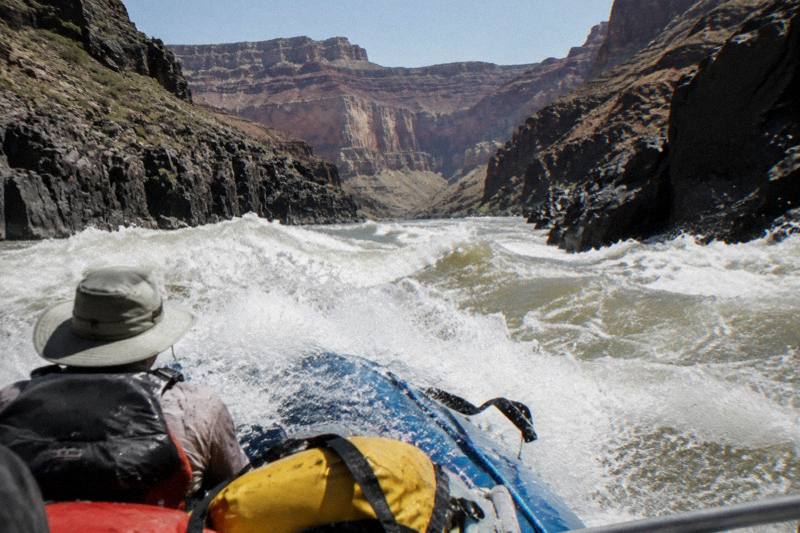
Can You Go Rafting Through The Grand Canyon?
Yes, you can raft through the Grand Canyon: a guided 3 to 18 day commercial trip, a private permit via the lottery, or a one-day smooth-water float. Here is how each route works.
Can You Go Rafting Through The Grand Canyon?
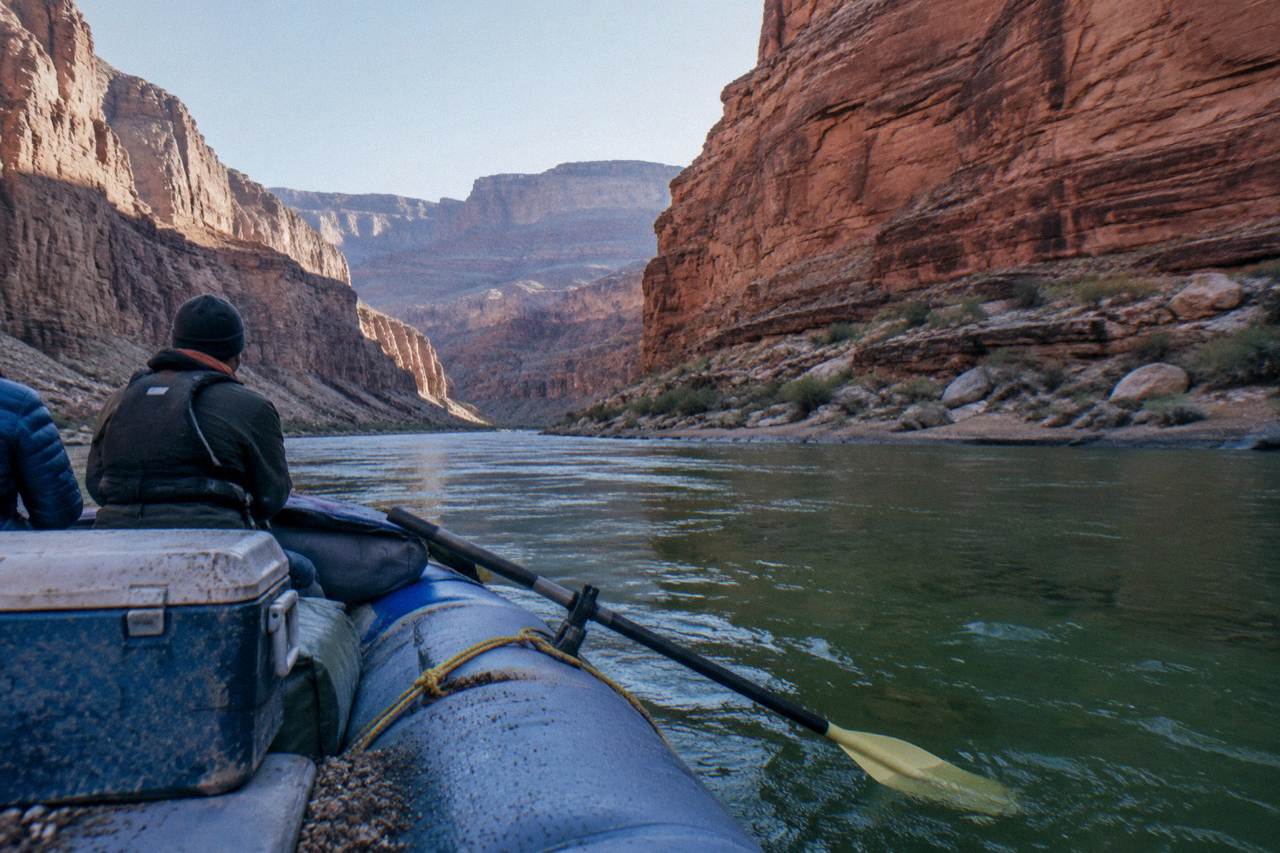
Yes, and there are three legal ways to do it. The National Park Service allows 16 authorized commercial companies to run guided trips of 3 to 18 days down the Colorado from Lees Ferry through 226 river miles of canyon, and it also issues private permits through a February lottery. A third option, the one-day smooth-water float, only touches the top of the canyon. There is no walk-up rafting inside the park itself. If you're leaning toward the private option, our guide to the Grand Canyon river permit lottery explains how the drawing works, what the fees look like, and how the guided alternative skips the lottery entirely.
The question sounds simple, and the answer is genuinely yes, but almost every follow-up question people ask comes from a misunderstanding of the geography. The Grand Canyon section of the Colorado River is remote. There are only a handful of points where a road reaches the river, which is why trips start at Lees Ferry, deep in Glen Canyon upstream, and finish near Diamond Creek or Pearce Ferry at the western end. Everything between is boat-only country.
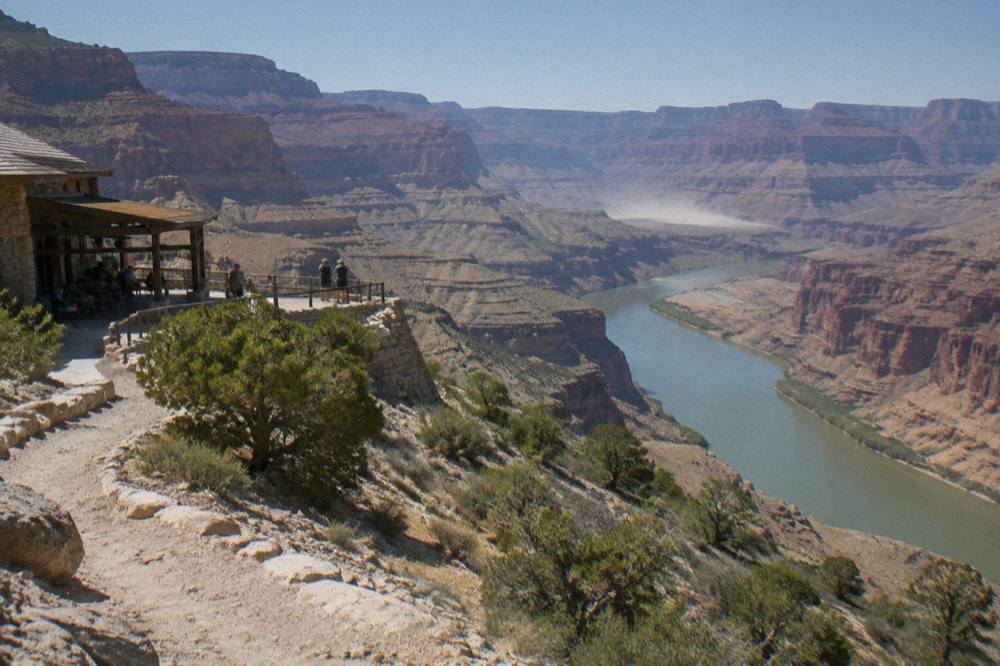
The park's own river page is blunt about the scale: the National Park Service describes commercial trips from three to eighteen days covering the 226 river miles from Lees Ferry to Diamond Creek, run in large motorized rafts, oared rafts, paddle rafts and dories. Those contracts, held by sixteen companies, run from January 2024 through the end of December 2033. One of those concessioners, Aramark's Wilderness River Adventures, operates the multi-day trips listed on this site, including the Grand Canyon Rafting Tours featured six-day motorized itinerary.
For most readers, the practical answer is the guided commercial trip. It needs no experience, no permit application and no lottery luck: you book, you show up in Page or Las Vegas depending on the itinerary, and the operator handles food, camp gear and the river equipment. The catch is capacity. The park notes that commercial trips are often reserved a year or two in advance, so a spot on a summer departure is something you plan for, not something you decide on a whim from a Las Vegas hotel room.
If you already know the guided route is what you want, these are the three listings that answer the question most directly.
How Do Guided Commercial Trips Down The Canyon Work?
A guided trip is a fully outfitted expedition: the concessioner supplies the rafts, guides, camps, kitchens and all meals, and you supply the body and the duffel. Trips run 3 to 18 days on motorized rafts, oar rafts, paddle rafts or dories, covering the full 226 miles or a shorter upper or lower half. The commercial season runs April through October, and the park says trips often book one to two years ahead.
The sixteen authorized companies split the canyon in different ways. Some run the complete Lees Ferry to Diamond Creek run in motorized rafts over about a week, others break the canyon into an upper and a lower half so travelers with limited vacation time can do half. Motor rafts move faster and shorten the trip; oar rafts, dories and paddle rafts travel slower and stretch the same miles into 12 to 18 days. The National Park Service selection announcement confirms the sixteen-company structure and the 2024 to 2033 contract window on its official concessioner announcement page.
What you actually do all day is simple and repetitive in the best way. Mornings start with coffee and breakfast at the river's edge, the boats load, and the day is spent running stretches of water, drifting through flat sections between the rapids, hiking side canyons on layover stops, and making camp on sandbars in the evening. Guides row or motor, cook, and interpret the geology and human history. You carry your own gear in a dry bag and sleep under open sky or a tent.
The two multi-day listings on this site show the format at its two lengths. The Las Vegas: 3-Day Grand Canyon Rafting & Helicopter Tour is the shorter commitment, from $1855 per person with all meals, transport from and to Las Vegas and a helicopter flight built in. The Grand Canyon: 6 Day Motorized Raft Trip with Meals & Flight, from $3420 per person, gives the fuller canyon experience with the same all-meals, flight-out structure. Both are new listings with no reviews yet, which is worth knowing, since the underlying operator, Aramark's Wilderness River Adventures, is one of the sixteen authorized concessioners the park itself names.
Booking early is not marketing pressure, it is arithmetic. Sixteen companies, a seven-month season, and a fixed number of launch dates per company per year. The park's guided-tours page states plainly that reservations are required well ahead and are often made a year or two in advance. If a reader wants a specific month, especially the May to September window, the honest advice is to lock the date as early as possible.
A note on fitness and expectations, because the question "can you" sometimes means "could I physically." Guided trips do not require rafting skill, but they do require sitting in a boat for hours, helping carry your own bag up the beach each evening, sleeping on sand, and being comfortable outdoors for the duration. Different operators state different minimum ages depending on trip type and length, and the park sets no universal minimum, so age questions belong on the booking page of the specific trip, not in a general article. Anyone who can hike a few miles and camp can do a motorized corridor trip.
Can You Raft The Grand Canyon Without A Guide?
Yes, but only with a noncommercial river permit, and those are distributed through a weighted lottery that most applicants lose. The 2027 launch year offers 478 permits for 12 to 25 day private trips. The main application window is the first three weeks of February, and costs run $25 to apply, $90 per participant for the river permit, plus a $200 or $400 trip deposit.
Private trips are the purist's route, and the park designs the system to be deliberately difficult. You apply in February through the park's weighted lottery page, results arrive by the end of the month, and winners then organize everything themselves: rafts or kayaks, food, equipment, river-experienced companions, and the Hualapai Tribe's separate permit and fee for the Diamond Creek take-out. A private trip is an expedition you run, not a vacation you take.
The odds explain why most people end up on guided trips. Four hundred seventy-eight permits for an entire launch year, against far more applicants, with preference weighting that favors people who have applied and lost before. A twelve-day minimum trip length also rules out the quick getaway. The park requires the trip lead to be 18 or older and the group to be genuinely private, with no payments that would turn it into a commercial venture.
The permit fees are not the real barrier. The real barrier is competence: the park expects private groups to be self-sufficient on a river with serious whitewater, days from any road, in water that comes off the bottom of Glen Canyon Dam cold all year. Anyone weighing private versus guided should read the full breakdown in the site's Grand Canyon rafting permits guide before committing either way.
Can You Raft The Grand Canyon In One Day?
Not through the national park itself, no. The only one-day river trips the park recognizes are the smooth-water floats on the Colorado between Glen Canyon Dam and Lees Ferry, run from Page. One whitewater day trip does exist on the western end, launching at Diamond Creek on the Hualapai side, with a helicopter exit to the rim. Neither runs the 226-mile national park corridor.
The park's one-day river trip page is specific: the smooth-water half-day and full-day trips take place on the Colorado between Glen Canyon Dam and Lees Ferry, begin in Page, and passengers are bused to the launch. That section sits above the Grand Canyon proper, on flat water with no rapids, which is exactly why a single day works there. The trips run about 5 hours, cover roughly 10 river miles, and pass the river-level view of Horseshoe Bend. If you'd rather paddle this stretch on your own craft, the permit rules for floating from Glen Canyon to Lees Ferry spell out what private boaters need to know before launching.
| Route | Where It Runs | Water | Days | Who Runs It |
|---|---|---|---|---|
| Lees Ferry smooth-water float | Glen Canyon Dam to Lees Ferry | Flat, no rapids | Half day | Wilderness River Adventures, from Page |
| Hualapai one-day whitewater | Diamond Creek launch, western canyon | Whitewater and calm stretches | 1 day | Hualapai River Runners, from Peach Springs |
| Upper or lower canyon halves | Within the 226-mile corridor | Whitewater | 3 to 7 days typically | The 16 authorized concessioners |
| Full canyon corridor | Lees Ferry to Diamond Creek | Whitewater | 6 to 18 days | The 16 authorized concessioners |
The Hualapai trip is the closest thing to a one-day whitewater answer, and the site lists it as Grand Canyon West: Whitewater Rafting, Helicopter, & Skywalk, from $688.85 per person, with lunch, meeting at Hualapai Lodge in Peach Springs. It is run by Grand Canyon Resort Corporation, meets at Hualapai Lodge in Peach Springs and launches at Diamond Creek, runs rapids and calm stretches with an optional guided hike, and lifts you out of the canyon by helicopter at Grand Canyon West. Minimum age is 8, and the river season runs April through October. Its rating stands at 5 from 4 reviews, a small pool, so treat the score lightly.
The distinction matters because "the Grand Canyon" gets used loosely. The Hualapai stretch and the Glen Canyon float are both spectacular and both legitimate, but the 226 miles inside the national park, the part with the famous rapids and the mile-deep walls, can only be seen by multi-day boat or from the rim. A reader with one free day can get on the Colorado; a reader who wants to go through the canyon needs nights.
The half-day Horseshoe Bend Float Trip in Page, from $149.51 per person, is the one-day pick for travelers based near Page, and it is a comfortable fit for families, with free cancellation up to 24 hours before the start time and a 4.9 rating from 194 reviews. One guest review calls it plainly: "The float was easy, informative, fun, and safe for all ages. Every part of it was a positive experience."
What Does A Trip Through The Canyon Cost?
Guided multi-day trips are priced by length and boat type. On this site, the 3-day trip runs from $1855 per person and the 6-day motorized trip from $3420, both with all meals and a flight out included. Private permits cost far less in fees, roughly a few hundred dollars per person, but demand you supply and organize everything yourself. One-day options run from $149.51 for the Page float to $688.85 for the whitewater day.
Price comparisons across operators are hard to hold steady because every company packages differently, and the site's rule is to print only the listed from-prices rather than promising totals. What can be said firmly is that the all-in guided price covers what would otherwise be your biggest costs: boats, guides, food for every day on the river, camping gear and the logistics of getting you in and out. The two multi-day listings here also fold in a helicopter flight at the end, which as a standalone purchase would be a significant extra.
| Trip | Days | From Price | Meals | Reviews |
|---|---|---|---|---|
| Grand Canyon: 6 Day Motorized Raft Trip with Meals & Flight | 6 | $3420 | Included | New listing, no reviews yet |
| Las Vegas: 3-Day Grand Canyon Rafting & Helicopter Tour | 3 | $1855 | Included | New listing, no reviews yet |
| Grand Canyon West: Whitewater Rafting, Helicopter, & Skywalk | 1 | $688.85 | Included | 5 from 4 reviews |
| Horseshoe Bend Float Trip in Page | Half day | $149.51 | Not included | 4.9 from 194 reviews |
Cancellation terms vary by listing and are worth reading on the booking page before you commit, not after. The Page float allows free cancellation up to 24 hours before the start time; other listings state different cutoffs. There is no blanket rule across every trip on this site.
For travelers matching a trip to a budget, the honest framing is that the multi-day corridor trips are once-in-a-lifetime purchases, priced accordingly, while the one-day options are impulse-compatible. The mid-path is the helicopter-and-raft combination tours out of Las Vegas, which pair a Black Canyon river float below Hoover Dam with a canyon helicopter flight in a single day from $699 per person. Those do not go through the Grand Canyon corridor, but they deliver both flight and river in one outing; the site's helicopter and raft combination guide compares them in full.
If a full-canyon crossing is the goal, budget planning should also cover the days before and after: lodging in Page or Las Vegas, and the entrance and travel costs of getting to the launch. The park entrance fee itself is $35 per private vehicle for seven days, though guided river passengers are covered under the trip's own park arrangements. The deeper budget breakdown, including what the one-day and combination trips add up to, is in the site's guide to what Grand Canyon rafting costs.
Which Route Should You Choose?
Choose a guided multi-day trip if you want the full canyon and have the time and budget; the 6-day motorized trip from $3420 is the direct answer to the original question. Choose the Hualapai one-day whitewater trip if you want rapids but only have a day. Choose the Page float for families and flat water, and the lottery only if you have river experience and patience for a 12 to 25 day self-run expedition. Whichever trip style fits your plans, the outfitters who run these routes vary quite a bit, so our comparison of the top Grand Canyon tour companies can help you pick the right one before you book.
The decision collapses to three variables: days available, tolerance for planning, and whether flat water satisfies you. A traveler with one day and no interest in logistics takes the Page float or the Peach Springs whitewater day and stops reading. A traveler with a week and a real hunger to go through the canyon books the corridor trip, ideally a year out. The private permit is a fourth category entirely, closer to mountaineering logistics than vacation planning.
There is also a middle case worth naming: the reader who wants the canyon but cannot commit six days. The 3-day Las Vegas trip answers it directly, running a shorter section with the same guided, all-meals structure and a helicopter finish, from $1855. It is the same style of expedition with half the calendar cost. Both listings are new with no reviews yet, so anyone who wants social proof before a four-figure purchase should weigh that fact honestly rather than assume.
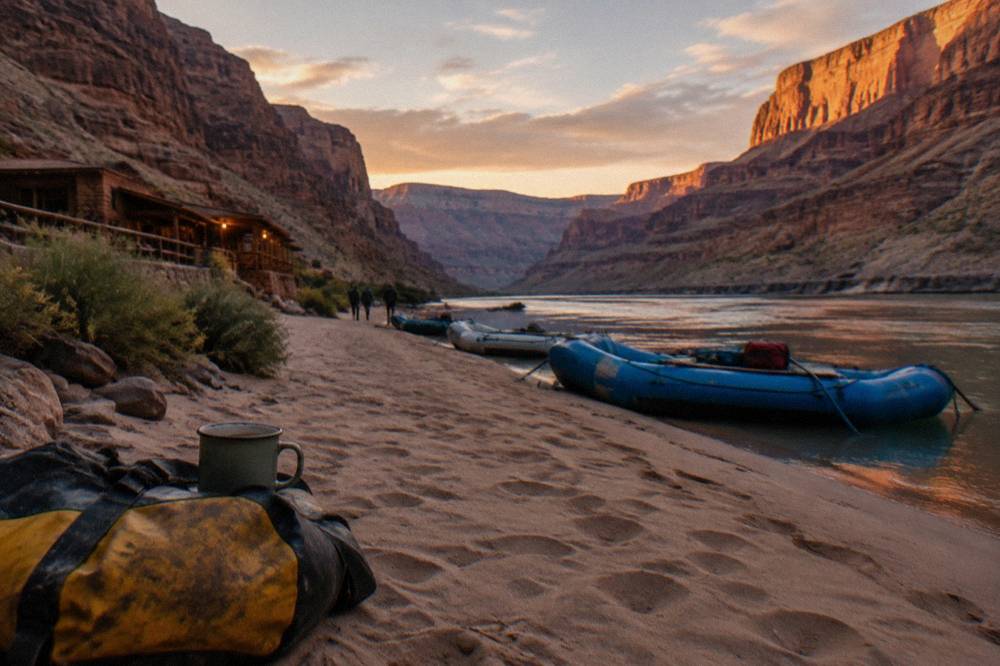
Whatever the choice, weather and water releases decide the river's daily behavior. The Bureau of Reclamation controls Glen Canyon Dam releases, and conditions on any given date can shift water levels and temperatures downstream. No operator or article can promise specific rapids, wildlife or conditions on your day; the honest planning stance is to book with the season, pack for cold water, and let the canyon be what it is.
The six-day motorized trip remains the cleanest single answer to the question this article opened with. It puts a reader on the Colorado inside the national park corridor, feeds them for the duration, camps them on the beaches, and flies them out at the end, which is, in outline, the classic Grand Canyon river trip.
For readers whose plans center on Las Vegas rather than Page, the site's overview of Grand Canyon tours from Las Vegas maps every day-trip option, river and rim alike, from the Strip.
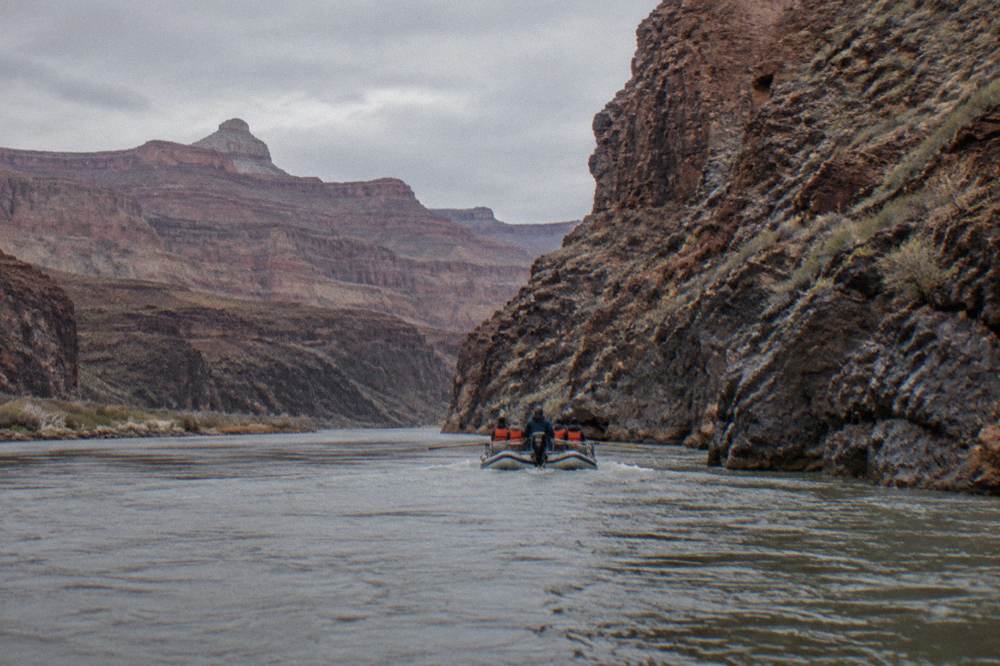
So, can you go rafting through the Grand Canyon? Yes: guided on a 3 to 18 day commercial trip, privately with a lottery permit, or partially on a one-day float or whitewater run at either end. The three listings below cover the guided answers at every length.
Common Questions About Rafting Through The Grand Canyon
Can You Go Rafting Through The Grand Canyon?
Yes. The National Park Service allows guided commercial trips of 3 to 18 days through the 226-mile corridor, private trips under a lottery permit, and one-day options at the top and western end of the canyon.
How many days does it take to raft through the Grand Canyon?
Commercial trips range from 3 to 18 days. Motorized rafts cover the full canyon in roughly a week, while oar and dory trips take 12 to 18 days. Private permits are for 12 to 25 day trips.
Can beginners raft the Grand Canyon?
Yes, on a guided commercial trip. No experience is required; the concessioner supplies guides, equipment and meals. Private permits demand genuine river expedition experience.
Can you raft the Grand Canyon in one day?
Not through the national park corridor. The one-day options are the smooth-water float from Page below Glen Canyon Dam, and the Hualapai one-day whitewater trip from Peach Springs with a helicopter exit.
How far ahead do you need to book?
The park states commercial trips are often reserved a year or two in advance, so book as early as you can, especially for the May to September window.