Is It Possible To Float From Glen Canyon To Lees Ferry?
Yes, you can float from Glen Canyon Dam to Lees Ferry: smooth water, guided Horseshoe Bend floats from Page, and a free permit rule for private craft, explained plainly.
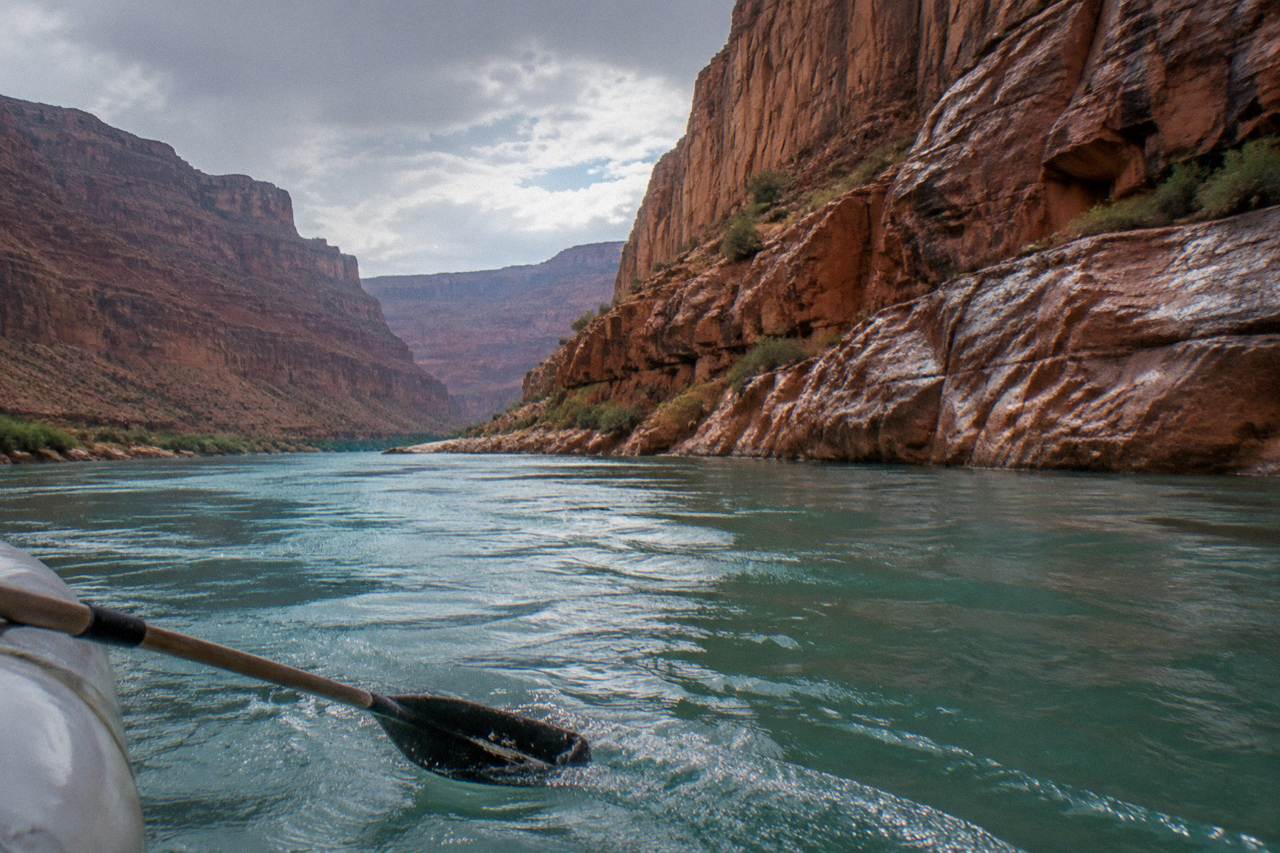
Yes. The Colorado River between Glen Canyon Dam and Lees Ferry is smooth, rapid-free water, and the public floats it two ways: on a guided motor raft trip that begins in Page, or in a private canoe, kayak or raft. The park service states plainly that this is the only stretch inside Glen Canyon where a one-day river trip is possible, because everything downstream of Lees Ferry enters the whitewater of the Grand Canyon. The question underneath the question is usually which of those two ways fits you, and what the permit rules say. Once you're off the water, our guide to free activities in the Grand Canyon rounds out the rest of your trip with scenic overlooks and ranger programs that cost nothing at all.
The short version: commercial trips ride under the operator's concession permit, so a booking is all the paperwork a guest does. Private boaters must pick up a free Lees Ferry Backcountry Permit before launching, a self-serve step many people never hear about until a ranger mentions it. The float itself covers about 10 river miles of flat water below the dam: guests are bused from Page to Lees Ferry, the road-accessible launch point for every Grand Canyon expedition, then motor upriver past the Horseshoe Bend river bend. Since you'll already be on the water at that famous bend, the guide to adding Antelope Canyon and Horseshoe Bend to your float covers how to build the rest of your day around the river.
Is It Possible To Float From Glen Canyon To Lees Ferry?
Yes, it is possible, and it happens every day of the season. The park's own one-day river trip page describes this exact run: smooth-water trips on the Colorado between Glen Canyon Dam and Lees Ferry, beginning in Page with a bus to the launch. There are no rapids on this stretch, so it suits families and beginners, and it is the only one-day river float available inside Glen Canyon National Recreation Area. Trips run roughly from the beginning of March into early November on the 2026 schedule the operator publishes, with about 10 river miles on the water across roughly 5 hours door to door.
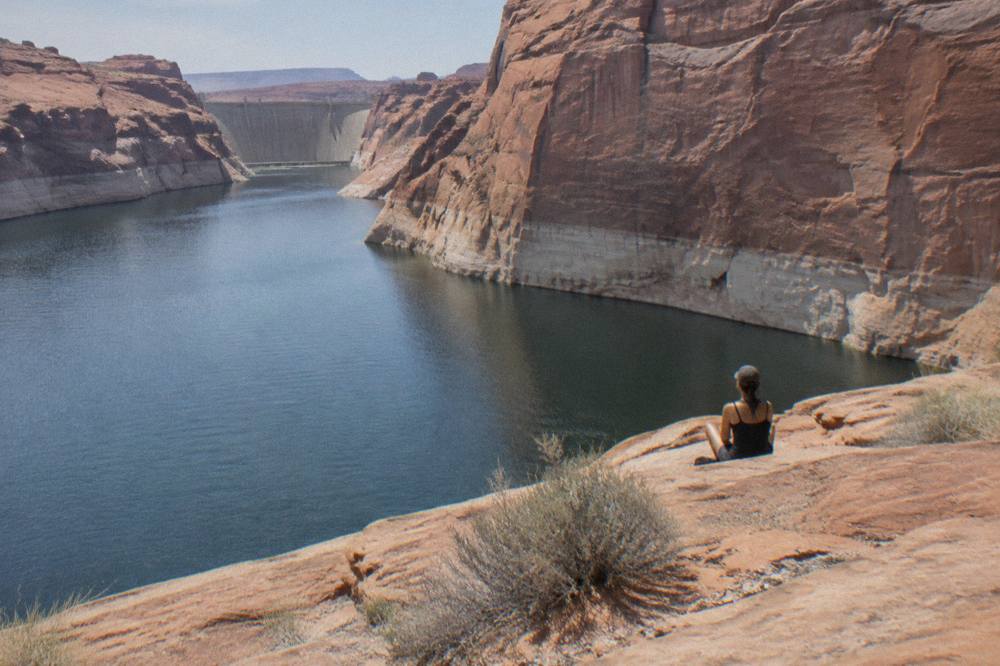
That answer surprises people who assume "floating the Grand Canyon" means whitewater. Geographically, this stretch sits above the Grand Canyon proper. Glen Canyon Dam sits at the top, Lees Ferry sits at river mile zero of the Grand Canyon, and the flat water in between is the last calm mile of the river before the canyon begins in earnest. The park service calls Lees Ferry "the only place within Glen Canyon where visitors can drive to the Colorado River in over 700 miles of canyon country, right up to the first rapid in the Grand Canyon," which is why every multi-day Grand Canyon expedition, guided or private, launches there.
Two guided listings on this site cover this water, both run by Wilderness River Adventures, the Aramark concessioner: the Horseshoe Bend Float Trip in Page and the Page: Horseshoe Bend Colorado River Half-Day Rafting Trip. They are the same underlying trip, sold through two listings at the same from-price of $149.51 per person, so choosing between them is a booking-detail question rather than a different-trip question. This site's Glen Canyon float trip guide walks through the full comparison.
The history is worth a sentence too. Today the water leaving the dam runs clear and cold compared with the silty river of the old days, which is part of why the fishery below the dam is famous and why the canyon walls reflect so sharply on calm mornings. The dam also governs the schedule in a quiet way: release volumes tracked by the Bureau of Reclamation shift through the year, and the river's character below the dam is a product of those operations as much as of the landscape.
For readers whose real goal is the Grand Canyon itself, the same operator family also runs the Las Vegas: 3-Day Grand Canyon Rafting & Helicopter Tour downstream, a new listing with no reviews yet, from $1855 per person. That one is whitewater and camping inside the canyon rather than a flat-water day float, and it makes a useful contrast point for what "floating" means on different parts of this river.
Where Does The Float Start And End?
The float starts at a launch point just below Glen Canyon Dam and ends at Lees Ferry, about 10 river miles downstream. Guests on guided trips do not drive to the launch: the operator buses them from the meeting point in Page, about an hour to Lees Ferry, and buses them back after the take-out. The Horseshoe Bend overlook itself sits several hundred feet above the river and is visited on foot, separately, from its own parking lot. That separation, river versus rim, confuses a lot of first-time Page visitors, so it is worth fixing the geography early.
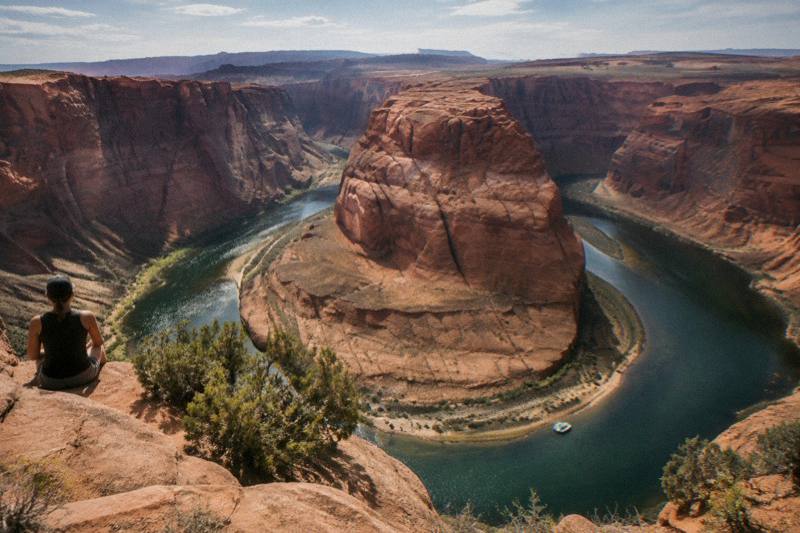
The meeting point for the guided float is on Kaibab Road in Page, with check-in 45 minutes before departure. From there the bus runs south to the Lees Ferry area, and the raft puts in on the smooth water below the dam. Along the way the float passes the famous river-level bend that gives the trip its name, the same curve you see from the overlook above, just seen from the water looking up at the walls instead of down at the river.
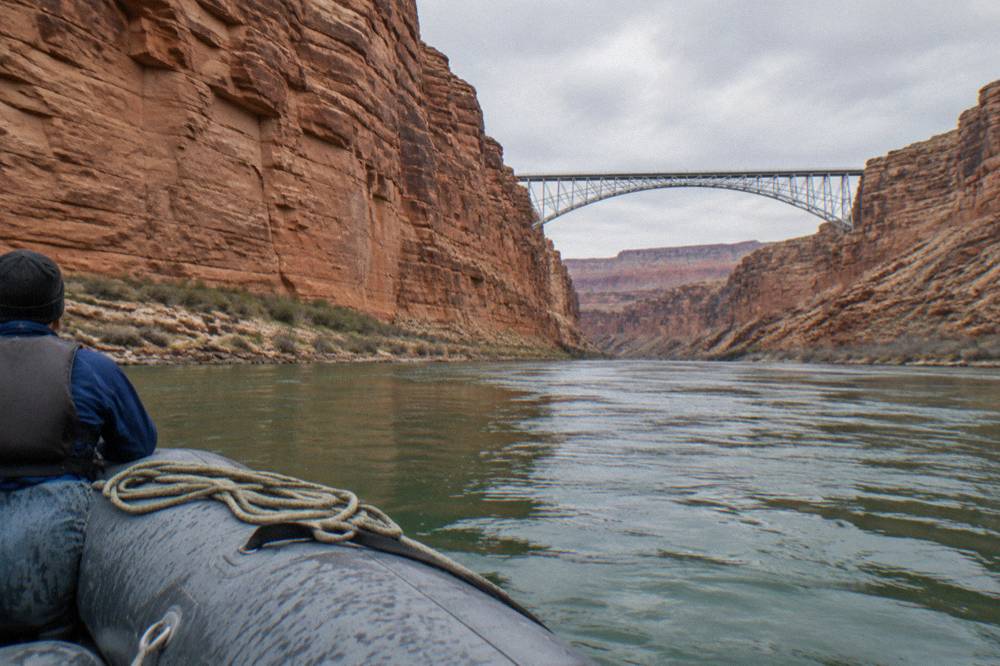
Lees Ferry, the take-out, matters beyond this one trip. It is the legal start of Grand Canyon National Park river running, the put-in for the 226-mile Lees Ferry to Diamond Creek run the park service describes on its river concessioners page. Standing at the take-out, you are standing at the top of the Grand Canyon's river mileage, even though the water you just floated belongs to Glen Canyon.
A practical note on the drive: the route from Page to Lees Ferry follows the highway south and then west, and the park's page for the area notes the distance at 42 miles. Self-drivers meeting a trip at Lees Ferry rather than riding the bus from Page should confirm with the operator which meeting point their booking uses, because the two listings handle logistics the same way on paper but bookings vary by option. Photography-minded travelers often book the morning departure for the light on the walls and spend the afternoon at the overlook instead, when the bend faces the sun.
How Does The Guided Horseshoe Bend Float Work?
A guided float is a bus-plus-raft day: check in at the operator's Page headquarters, ride the bus to the launch, board a motorized raft with a guide, drift the smooth water past Horseshoe Bend, and take the return bus to Page. The whole outing runs about 5 hours, the water is flat, and the listing price is from $149.51 per person, with box-lunch details differing between the two listings. Minimum age is 4, and the operator requires a minimum number of passengers before a departure runs, a detail worth knowing in the shoulder weeks of March and late October.
The two listings differ at the edges rather than the core. The Horseshoe Bend Float Trip in Page carries a 4.9 rating from 194 reviews and lists no meal; the Page: Horseshoe Bend Colorado River Half-Day Rafting Trip carries a 4.9 from 86 reviews, and neither Page listing includes lunch. Both list the same from-price and the same duration. Reviews for the first one run warm: "The float was easy, informative, fun, and safe for all ages. Every part of it was a positive experience," writes Donna R, and Patricia M adds, "The scenery is stunning. The guides are super knowledgeable and friendly. It's just a great relaxing experience."
The cancellation terms also differ between the two listings, one allows free cancellation up to 24 hours before the start time, while the other charges a fee unless you cancel up to 2 days ahead, so read the booking page for the specific one you reserve. If a day float sounds good but you want your trip anchored in Las Vegas instead of Page, this site's Horseshoe Bend rafting guide compares the Page floats with the Black Canyon options closer to Vegas.
For the full details, dates and current availability, see the Horseshoe Bend float trip listing here on the site.
Can You Float It In Your Own Kayak Or Canoe?
Yes, private craft are allowed on this stretch, but the park service requires a Lees Ferry Backcountry Permit, issued free and self-serve, for any watercraft on the Colorado between Glen Canyon Dam and Lees Ferry. Commercial float trips ride under the concessioner's authorization and are exempt, so the permit rule applies only to people bringing or renting their own boat. Paddlers also need to arrange their own shuttle logistics between the dam-area launches and Lees Ferry, since there is no public transit along that road.
The permit is free, which surprises people expecting a lottery. The famous Grand Canyon lottery, 478 permits for 12 to 25 day self-guided trips in the 2027 launch year, governs the whitewater downstream and has nothing to do with this flat-water day stretch. A day paddle on Glen Canyon water is a form-and-go exercise by comparison. Kayakers often target side canyons and the river-level view of the bend; this site's comparison of Emerald Cave kayak versus raft options covers the sister stretch below Hoover Dam, where the same private-versus-guided question comes up.
One honest caveat: water below Glen Canyon Dam stays cold. The park reports river temperatures in this system running far colder than air temperatures suggest, and dam releases vary with upstream operations tracked by the Bureau of Reclamation. Dress for cold water, wear the life jacket, and check conditions with the marina or the park page before launching anything self-powered. Other pages covering the same trip are gathered on Grand Canyon Rafting Tours.
Self-powered floaters should also plan the direction of travel. Most private paddlers launch near the dam and float downstream to Lees Ferry, matching the commercial run, because the current assists and the shuttle back to Page is a known quantity. Paddling upstream from Lees Ferry is possible on flat water but turns the day into a workout, and afternoon winds on this corridor are a real factor for canoes and inflatable kayaks in the warmer months. Wind, more than water level, is the variable that most often shortens a private day trip here.
What Does The Float Cost And What Is Included?
The guided float is from $149.51 per person on both Page listings, covering the round-trip bus from Page, the motor raft, and the guide. Neither Page listing includes lunch, so food is not a difference between them in what you get for the same price. Outside the tour itself, budget for the Horseshoe Bend overlook parking fee of $10 per standard vehicle at the City of Page lot, where national park passes are not accepted.
| What | Cost | Notes |
|---|---|---|
| Guided float, either Page listing | from $149.51 per person | About 5 hours, bus from Page included |
| Horseshoe Bend overlook parking | $10 per standard vehicle | City of Page lot, park passes not accepted |
| Lees Ferry Backcountry Permit (private craft) | Free | Self-serve, required for own watercraft |
| Grand Canyon NP entrance (if you continue to the park) | $35 private vehicle, 7 days | Not needed for the float itself |
The price is written as "from" because dates, options and group sizes move it. What does not move is the shape of the day: a bus ride, a guide, flat water, and a return to Page with time for the overlook in the late afternoon. Compared with the Black Canyon floats below Hoover Dam, which run from $69 per person for a 90-minute float without transport, the Page trip costs more and takes longer because it includes the roughly hour-long bus each way and the full 10-mile float.
Budget travelers should also weigh lodging and driving. Page sits far enough from Las Vegas that the float usually means a night in town, while the Black Canyon floats leave from the Vegas area and fit inside a single day without a hotel night. Two travelers splitting a car might find the Vegas option cheaper overall despite similar ticket prices, once a room is counted. The how much does Grand Canyon rafting cost guide on this site breaks those full-trip budgets down line by line.
When Can You Float It, And What Is The Water Like?
The 2026 float season runs from March 1 to about November 3, with one departure a day in the early-spring and late-fall shoulder windows and multiple daily departures through the summer months. The water is smooth the entire way, with no rapids on this stretch, and the operator states a minimum age of 4. Trips need a minimum passenger count to run, so the sparsest dates sit at the season's edges. Midsummer pairs the most departure options with the hottest air temperatures, while spring and fall trade schedule density for milder hiking weather around the overlook.
| Period (2026 schedule) | Departures | What to expect |
|---|---|---|
| March 1 to May 15 | One a day | Cool mornings, quiet river |
| May 16 to May 31 | Multiple daily | Season ramping up |
| June 1 to July 31 | Multiple daily | Peak heat, most options |
| August 1 to September 30 | Multiple daily | Monsoon-season variability |
| October 1 to about November 3 | One a day | Mild days, thinning schedule |
Weather and dam operations decide the day, not the calendar. The operator's page is the source for whether a given departure is running, and the park's Lees Ferry page carries current river conditions. Neither promises wildlife, water levels or a specific bend view on any given morning.
Is This Float The Same Thing As Rafting The Grand Canyon?
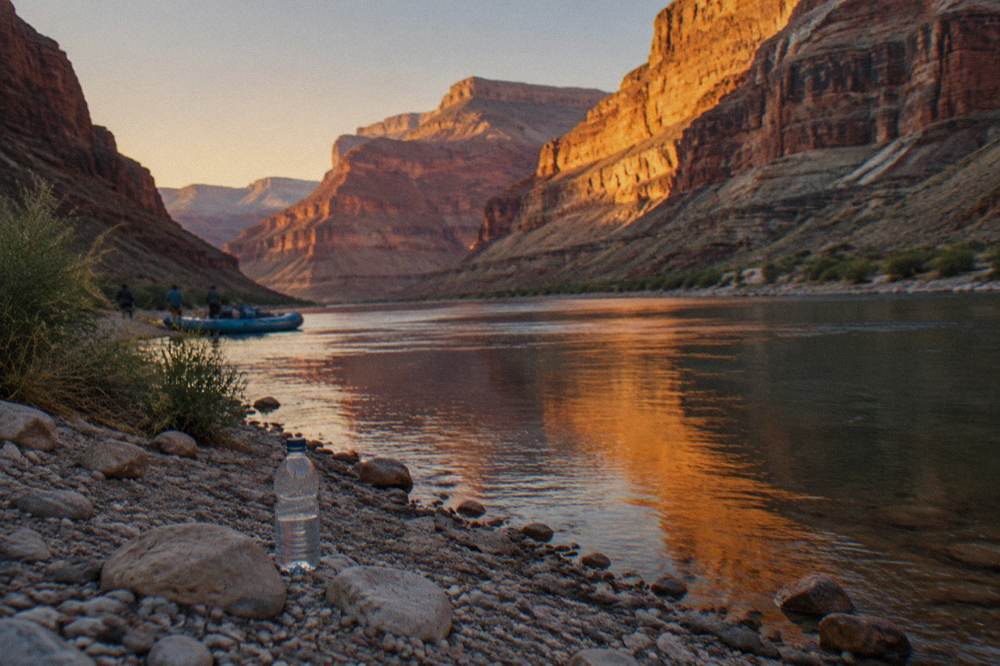
No. The Glen Canyon to Lees Ferry float is a smooth-water day trip above the Grand Canyon, open to ages 4 and up, with no rapids. Grand Canyon rafting means whitewater downstream of Lees Ferry, run by 16 authorized commercial companies on 3 to 18 day trips often reserved a year or two ahead. Confusing the two is the most common planning error in Page. If you'd rather take on the whitewater below Lees Ferry, our guide to every way to raft the Grand Canyon compares guided trips, private permits, and shorter float options.
The scale gap is stark. The park service describes the commercial Grand Canyon season as April through October, with concessioner contracts running through the end of 2033 and trips spanning the full 226 miles from Lees Ferry toward the Pearce Ferry area. Against that, the Page float is a five-hour outing, lunch not included. A good middle reference point sits back toward Las Vegas: the 3-Hour Black Canyon Motorized Raft Tour below Hoover Dam, 4.8 from 413 reviews and from $140 per person with lunch, gives Las Vegas-based travelers a comparable smooth-water day without the drive to Page.
Readers weighing the Vegas-side options against the Page float can start from this site's Grand Canyon tours from Las Vegas overview, which sorts the day trips by drive time, format and price.
A different hybrid again is the Grand Canyon Helicopter Tour and River Raft or Emerald Cave Kayak combo, 4.6 from 267 reviews and from $699 per person, which pairs a canyon flight with a river component in one 11-hour day from Las Vegas. It is not this float, but it answers the same urge to touch the Colorado in a single day.
Common Questions About Floating From Glen Canyon To Lees Ferry
Is It Possible To Float From Glen Canyon To Lees Ferry?
Yes. The stretch between Glen Canyon Dam and Lees Ferry is smooth water with no rapids, floated on guided motor rafts from Page or in private craft with a free Lees Ferry Backcountry Permit. It is the only one-day river trip available in Glen Canyon.
Are There Rapids On The Glen Canyon To Lees Ferry Float?
No. The park service describes this as a smooth-water stretch, and the guided trip literature says the same. Whitewater begins downstream, inside the Grand Canyon below Lees Ferry.
Do You Need A Permit For The Guided Float?
No. The guided Horseshoe Bend float runs under the concessioner's authorization, so your booking is the only step. The free Lees Ferry Backcountry Permit applies only to private watercraft on this stretch.
How Long Does The Horseshoe Bend Float Take?
About 5 hours in total, including the bus from Page to the launch and the return bus, with roughly 10 river miles on the water. Check-in is 45 minutes before departure at the operator's Page meeting point.
What Is The Minimum Age For The Float?
The operator lists a minimum age of 4 for the half-day Page float. The West Rim whitewater day further downstream, for comparison, lists a minimum age of 8.
Can You Do The Float And The Horseshoe Bend Overlook The Same Day?
Yes, and most visitors do. The overlook is a short hike from its own parking lot, which charges $10 per standard vehicle and does not accept park passes, so it pairs naturally with a morning or afternoon float departure.