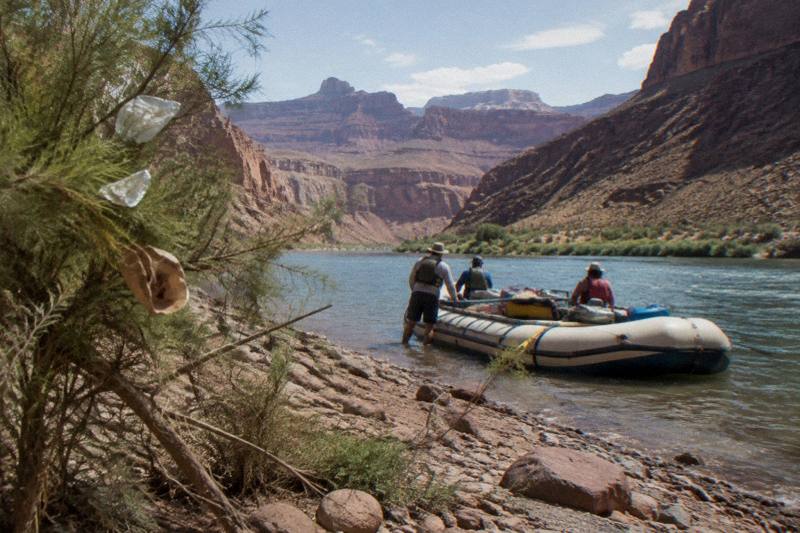
Best Time To Raft The Grand Canyon By Month
Season decides everything on Colorado River trips: which tours run, what the water feels like and how far ahead you must book. This guide walks through the calendar using only operator and park-published windows.
Short answer
The Hualapai whitewater season at the West Rim runs April to October with a minimum age of 8. The Page smooth-water float runs roughly March 1 to early November, about 5 hours, minimum age 4. Black Canyon floats below Hoover Dam paddle year round, though the park warns water sits in the low 50s F.
There is no single rafting season on the Colorado River, because there is no single kind of trip. The one-day whitewater run at the West Rim operates April through October. The smooth-water float out of Page runs roughly March 1 into early November. The Black Canyon water trail below Hoover Dam, which is part of Lake Mead National Recreation Area rather than the Grand Canyon itself, is paddled year round. Pick your month first and the list of trips that can actually run shrinks fast. Once you've picked your month, our guide to free things to do around the Grand Canyon can round out the days between river runs.
That is the practical point of this guide. The calendar below is built from park pages and operator schedules, not from folklore about "perfect" months, and it maps each stretch of the year onto the three families of trips covered on this site: the Page and Glen Canyon floats, the Black Canyon floats from Las Vegas, and the whitewater and multi-day trips inside the Grand Canyon proper.
When Is Rafting Season In The Grand Canyon?
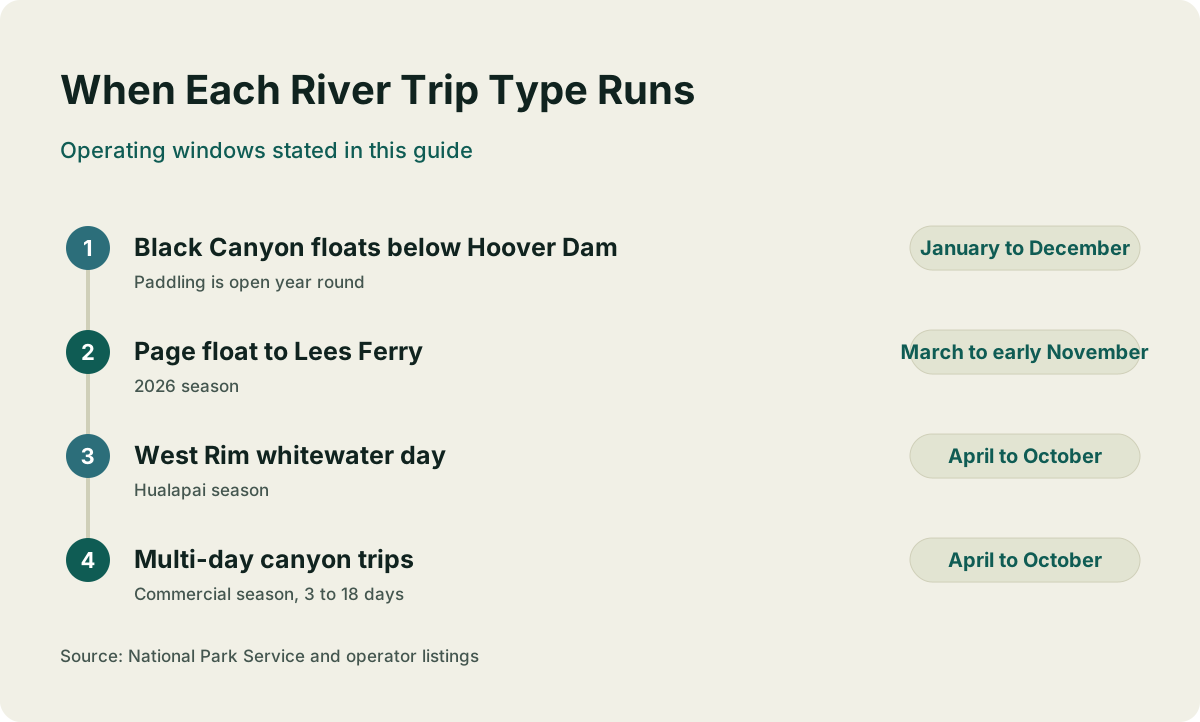
Season windows differ sharply by section of river. The Hualapai one-day whitewater trip at the West Rim runs April through October, with a minimum age of 8. The Page smooth-water float runs roughly March 1 to about November 3 in 2026. The Black Canyon below Hoover Dam is paddled year round. Multi-day trips through the Grand Canyon itself run roughly April through October and often book out a year or two ahead.
The controlling fact for the big trips is simple: the National Park Service describes commercial river trips through Grand Canyon National Park as 3 to 18 days long, covering the 226 river miles from Lees Ferry to the Diamond Creek and Pearce Ferry area, and those concessioner trips are frequently reserved a year or two in advance. The park's own river concessioners page lists the 16 authorized companies holding contracts that run through the end of 2033. Those outfits operate in the warm months.
Day trips are more forgiving. The park states plainly that the only one-day river trip associated with the Grand Canyon corridor is the smooth-water float between Glen Canyon Dam and Lees Ferry, run by Wilderness River Adventures with departures from Page. At the other end of the scale, the Hualapai operation at Grand Canyon West posts its season directly: April through October, launching at Diamond Creek near Peach Springs, not at the rim attractions themselves.
And then there is the outlier. Because the Black Canyon sits below Hoover Dam on Lake Mead, a stretch of flat water with no rapids, the National Park Service says visitors can paddle or boat it year round. Winter rafting in the desert is a real thing, just not in the Grand Canyon itself.
Which Trip Runs In Which Month?
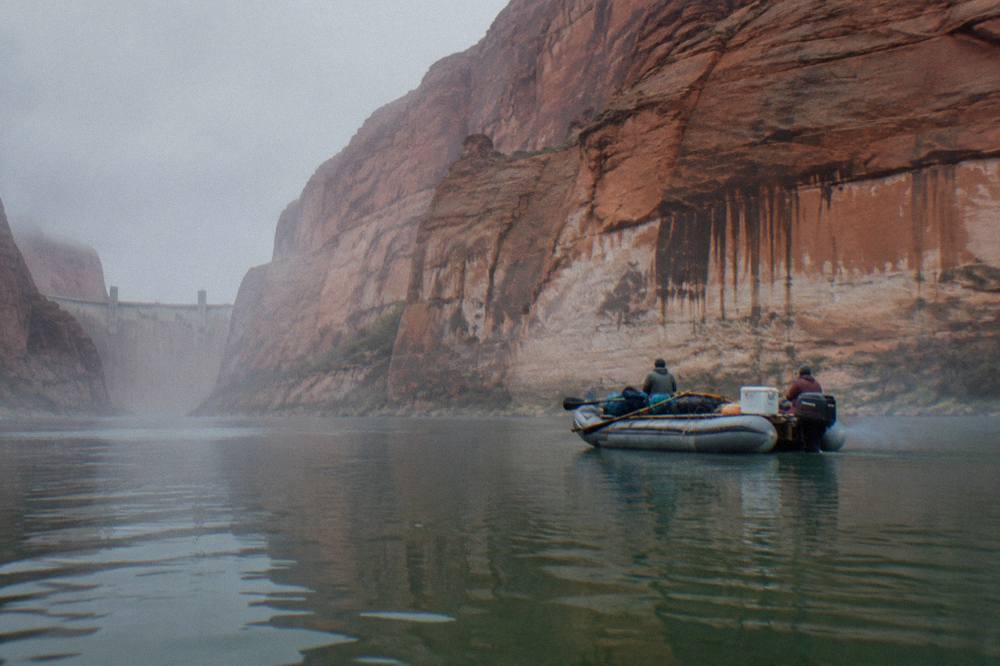
In spring and fall every major trip type is live. From April through October all three families overlap: the West Rim whitewater day, the Page float and the Black Canyon floats. In March only the Page float and the Black Canyon options run. From early November through winter, only the Black Canyon below Hoover Dam keeps operating, since its water comes from the dam and its operators run through the cold months.
That overlap chart is the single most useful planning table on this page, so here it is in full. The windows below come from operator schedules and park pages, and dates at the margins of a season can shift with demand and water conditions, so treat the edges as approximate and confirm on the live listing before you lock plans.
| Month | Page Float (Lees Ferry) | West Rim Whitewater | Black Canyon Floats | Multi-Day Grand Canyon Trips |
|---|---|---|---|---|
| January | No | No | Yes | No |
| February | No | No | Yes | No |
| March | Yes, from about March 1 | No | Yes | Limited to none |
| April | Yes | Yes, season opens | Yes | Yes |
| May | Yes | Yes | Yes | Yes |
| June | Yes | Yes | Yes, early starts likely | Yes |
| July | Yes | Yes | Yes, early starts likely | Yes |
| August | Yes | Yes | Yes, early starts likely | Yes |
| September | Yes | Yes | Yes | Yes |
| October | Yes, one daily departure | Yes, season closes | Yes | Yes |
| November | Until about November 3 | No | Yes | Limited |
| December | No | No | Yes | No |
A pattern worth noticing: the deeper into the season, the thinner the departure counts get. The Page float operator publishes a schedule that drops from multiple daily departures in the June through September window back to a single departure per day in early spring and October. If you want a specific departure time on a specific date, shoulder months give you fewer shots at it.
For a quick orientation, these three trips bracket the whole calendar: the Page float with its long season, the three-hour Black Canyon motorized float that runs year round from Las Vegas, and the West Rim whitewater day that defines the April-to-October window.
Choosing among them is mostly a calendar decision. The Horseshoe Bend float trip from Page, from $149.51 per person for about 5 hours on smooth water, covers roughly March to early November. The 3-Hour Motorized Raft, Lunch from $140 per person runs below Hoover Dam whenever you visit Las Vegas, rated 4.8 from 413 reviews. The West Rim whitewater day with helicopter exit and Skywalk access, from $688.85 per person, is the one that disappears between November and March. Our guide to one-day Grand Canyon rafting options compares them in more depth.
What Do The Spring Months Deliver?
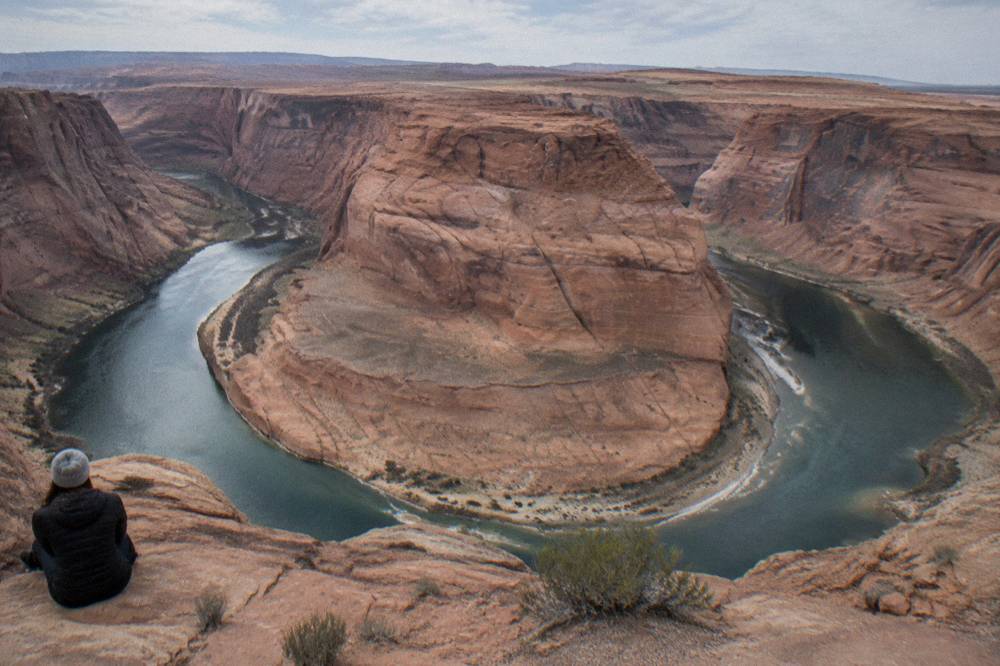
April and May are the opening months for whitewater and the shoulder season for everything else. The West Rim whitewater season begins in April, the Page float is running once daily, and multi-day concessioner trips launch through the corridor. Water is at its coldest, the park describes Black Canyon water in the low 50s F year round, and daytime crowds are thinner than midsummer.
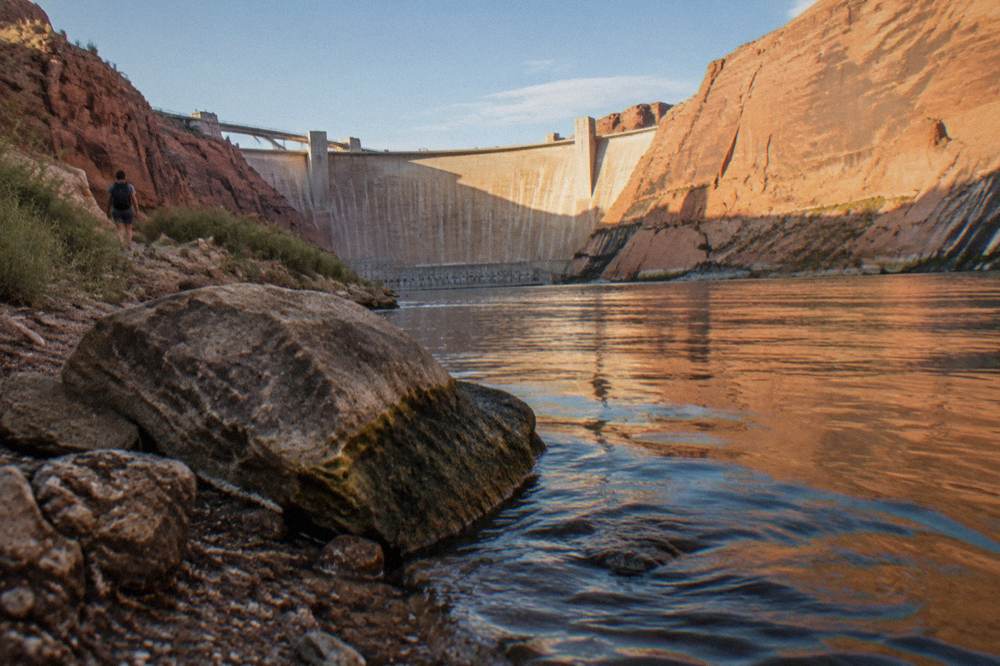
Spring is the connoisseur's window, and the operator schedule reflects it. The Page float ran one departure per day from March 1 through mid-May in the 2026 schedule, then expanded to multiple daily departures from May 16. On the whitewater side, the Hualapai season opens in April with the full one-day format: a motorized raft through rapids and calm stretches, lunch on a sandy beach, and a helicopter exit from the canyon floor back to the rim.
The trade-off is water temperature, not air temperature. Dam-released river water stays cold regardless of how warm the desert air gets. The park's Black Canyon paddling page puts it in the low 50s F year round, and the same physics applies to the Lees Ferry stretch, where a single early-October gauge reading registered about 67.8 F. One reading is one reading; treat river water as cold in every month.
Spring also suits the biggest commitment of all. Multi-day trips, like the Las Vegas: 3-Day Grand Canyon Rafting & Helicopter Tour, from $1855 per person with all meals and camping, are new listings here with no reviews yet, and they inherit the April-to-October commercial season. A spring launch means cooler hiking weather in the side canyons and a real chance of dramatic light on the walls.
Should you want a deeper comparison of the commitment levels, from a 90-minute float to a week on the river, our multi-day Grand Canyon rafting trips guide lays out the format differences. The short version: spring works for all of them, but the longer the trip, the earlier you needed to book it.
What Do The Summer Months Deliver?
June through August are peak season, and every trip type runs at full frequency. The Page float posts multiple daily departures, the West Rim whitewater day runs daily, and Black Canyon floats go out on early morning schedules to beat the desert heat. Prices sit at their from-levels all summer, but seats go first, and the sun, not the water, is the thing to plan around.
Summer is when the schedule is densest. The Page operator's 2026 calendar shows multiple departures daily from June 1 through September 30, with check-in 45 minutes before departure. On the Las Vegas side, the Black Canyon float operators shift toward early launches, a pattern common across desert rafting in the hot months, since midday canyon heat is the main comfort factor and the water itself stays cold.
The heat argument cuts both ways. A summer float is one of the few Las Vegas-area activities where you can get genuinely wet, and the three-hour motorized float below Hoover Dam builds in exactly that. One recent guest review on that listing advises: "Wear sunscreen even if it is cloudy and cool. Take video so you can get the guide's narration as well. The lunch, view, and guide were well above expectations." That is summer rafting in one sentence: sun management plus a cold river.
For travelers who want the biggest single day on the water, summer is also prime season for helicopter-and-raft combinations. The Grand Celebration Helicopter Tour with Black Canyon Rafting, from $749 per person over about 10 hours, pairs a champagne canyon landing with the river float, and hotel pickup is included. Note its cancellation window is stricter than most: free cancellation up to 3 full days before the start time, a detail worth knowing when summer weather plans shift.
A practical summer note on the Page end of things: if you are driving yourself, the Horseshoe Bend overlook parking lot, run by the City of Page, charges $10 per standard vehicle and does not accept national park passes. Anyone pairing the overlook hike with the float should budget for that separately. Details are on the Horseshoe Bend FAQ page.
| Summer Consideration | What To Expect | Where It Applies |
|---|---|---|
| Departure frequency | Multiple daily departures June through September on the Page float | Page, Lees Ferry stretch |
| Launch times | Early morning slots favored to beat midday heat | Black Canyon and Page floats |
| Water temperature | Cold year round; low 50s F in Black Canyon per the park | All sections |
| Sun exposure | Direct desert sun on open water for hours at a stretch | All sections |
| Booking lead time | Shortest availability windows of the year | All trip types |
What Do The Fall Months Deliver?
September and October are the strongest all-round months. Every trip type still runs, the West Rim season closes at the end of October, and the Page float drops back to one departure per day from October 1 until about November 3. Water stays cold, air temperatures ease, and September retains multiple daily Page departures before the schedule thins.
Fall rewards people who plan late but not too late. Through September the Page float keeps its multiple daily departures, then the operator's calendar steps down to a single daily departure for October 1 through about November 3. The Hualapai whitewater season runs to the end of October, which makes October the last month in which every family of trip on this site is simultaneously available.
Fall is also when the multi-day corridor trips make their final launches, and it is worth repeating the park's own warning: commercial trips are often reserved a year or two in advance. A traveler deciding in October for an October trip next year is behaving exactly as the system expects. The park's guided tours page is the authoritative starting point for concessioner contact.
One more fall-specific fact from the dam operators: the Bureau of Reclamation publishes projected monthly release volumes for Glen Canyon Dam, with the anticipated September 2026 release volume at 469,752 acre-feet. Releases shape the river downstream day to day, and operators watch them; you do not need to, but it explains why a guide's answer about water conditions can change week to week within the same season.
What Do The Winter Months Deliver?
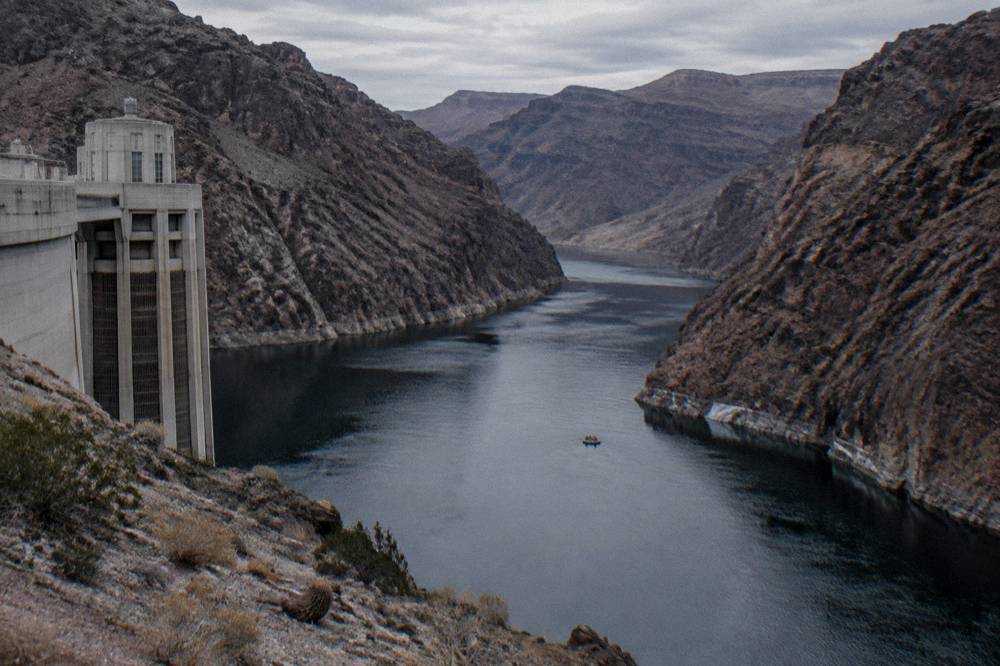
From November through February the choice collapses to one: the Black Canyon. The Page float ends about November 3, the West Rim season is closed, and multi-day trips have stopped, but the park states visitors can paddle or boat the Black Canyon year round, with water in the low 50s F. Winter rafting here means a float below Hoover Dam, not whitewater.
This is the fact most Las Vegas visitors miss. The 1.5-Hour Float at Hoover Dam, from $69 per person, rated 4.9 from 254 reviews, runs on the Black Canyon water trail in every month, and it is the cheapest ticket on this site. Guests on that listing describe the appeal in their own words: "This tour is a great opportunity to see Hoover Dam from an angle that others will never see. Great guide and very safe."
The Black Canyon is a 30-mile National Water Trail, designated in 2014 and the first of its kind in the Southwest, running from Hoover Dam down to Eldorado Canyon. Emerald Cave sits 2 miles upriver from Willow Beach, and the closest take-out from the dam launch is Willow Beach itself, about 10 miles downstream. These floats are flat water: no rapids, motors and paddlecraft only, with motorized vessels prohibited on Sundays and Mondays year round in the primitive zone from the dam to Willow Beach.
Winter comfort is a clothing question. The park's guidance on the water trail is unambiguous about temperature, and our what to wear Grand Canyon rafting guide covers layering for cold-water trips in detail. The short version for winter: synthetic layers, a windproof shell for the boat ride, and dry clothes waiting at the take-out.
| Black Canyon Winter Float | From Price | Duration | Rating And Reviews | Cancellation |
|---|---|---|---|---|
| 1.5-Hour Float, No Transport | $69 per person | 1 hour 30 minutes | 4.9 from 254 reviews | See booking page |
| 3-Hour Motorized Raft, Lunch | $140 per person | 3 hours | 4.8 from 413 reviews | Free up to 24 hours before start |
| Hoover Dam Rafting Adventure | $73.14 per person | 1.5 to 6 hours by option | 4.9 from 7 reviews | Free up to 24 hours in advance |
The review pool matters when reading those ratings. A 4.9 from 254 reviews and a 4.9 from 7 reviews are different kinds of evidence, and this site prints both counts for exactly that reason. The Hoover Dam Rafting Adventure row also shows a duration range because that listing sells two options; the from-price is its lowest one.
How Does Water Temperature Change Through The Year?
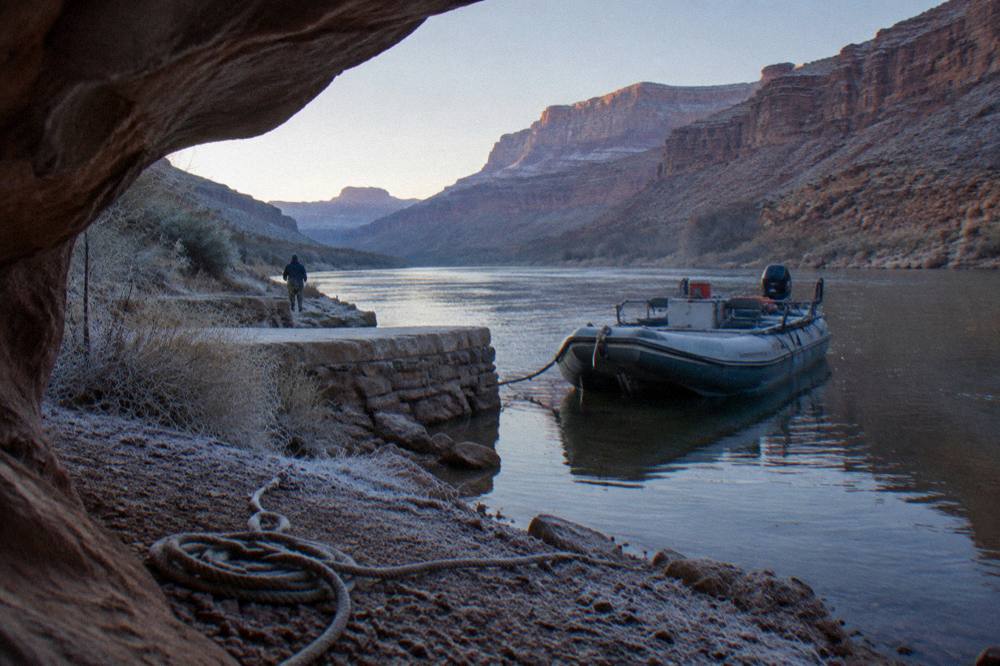
It mostly does not. Dam-released water is cold in every season: the park describes Black Canyon water as in the low 50s F year round, and a single early-October gauge reading at Lees Ferry registered about 67.8 F. What changes through the year is air temperature and sun exposure, not the river itself, which is why rafting comfort is a clothing problem more than a calendar problem.
The physics is worth one paragraph because it explains a lot of planning advice. Both the Black Canyon and the Lees Ferry stretch sit directly below large dams that pull water from the depths of their reservoirs. That water arrives cold whether it is June or January. Air temperature in the desert swings enormously across the year; the water barely does. Guests who swim on a July float and shiver on the same trip in April are reacting to the air, and to wind on the boat, not to a changed river.
That lottery line is a useful reminder of how scarce the private alternative is. If you are weighing a self-guided trip against a commercial one, our Grand Canyon rafting permits guide covers the weighted lottery in full, including the February application window and the deposit structure. For most readers, the practical takeaway is that a guided day trip needs weeks of lead time while a private multi-day permit needs luck measured in years.
How Far Ahead Should You Book Each Trip Type?
Day floats can often be booked days to a few weeks out, though summer dates fill fastest. The West Rim whitewater day and helicopter combos warrant booking several weeks ahead inside the April-to-October window. Multi-day Grand Canyon trips are different in kind: the park states they are often reserved a year or two in advance, so the best time to book one was last year.
Booking lead time tracks scarcity, and scarcity tracks the season table above. Here is how the main options compare, using only what the operators and park publish, with prices as printed on this site's listings.
| Trip Type | Example Listing | From Price | Season | Practical Booking Window |
|---|---|---|---|---|
| Short Black Canyon float | Hoover Dam 1.5-Hour Raft Tour | $69 per person | Year round | Days to two weeks |
| Half-day Black Canyon with lunch | 3-Hour Motorized Raft, Lunch | $140 per person | Year round | One to three weeks, longer in summer |
| Page smooth-water float | Horseshoe Bend Float Trip in Page | $149.51 per person | About March 1 to November 3 | Two to six weeks |
| West Rim whitewater day | Whitewater Rafting, Helicopter, & Skywalk | $688.85 per person | April to October | Four to eight weeks |
| Helicopter and raft combo | Grand Celebration with Black Canyon Rafting | $749 per person | Year-round raft, weather for flight | Four to eight weeks |
| Multi-day canyon trip | 6-Day Motorized Raft Trip with Meals & Flight | $3420 per person | Roughly April to October | A year or more |
Two rows deserve a caveat. The West Rim whitewater listing, rated 5 from 4 reviews, and the 6-day motorized trip, a new listing with no reviews yet, both carry small or empty review pools, so treat those rows as schedule facts rather than crowd-tested verdicts. The 6-day trip departs from Page, includes meals and a flight, and runs on the concessioner calendar described earlier.
Cancellation is the other half of booking early. Most listings here allow free cancellation, but the cutoff differs: the 3-Hour Motorized Raft allows it up to 24 hours before the start time, the Papillon Grand Celebration combo requires 3 full days, and the Aramark Page half-day charges a fee for cancellation up to 2 days in advance. Read the booking page for the specific trip rather than assuming a single rule. The National Park Express half-day Hoover Dam listing is explicitly weather-dependent, with a refund or new date if the operator cancels for poor weather.
Which Month Should You Actually Choose?
Match the month to the trip you want, not the reverse. For whitewater, May through September gives the fullest West Rim schedule. For the Page float with kids as young as 4, June through September offers multiple daily departures. For solitude and cooler air, April, May, late September and October. For a winter Las Vegas trip, the Black Canyon float is the only river option, and it is a good one.
A reader planning around school holidays lands naturally in June through August, and that works: every trip runs, and the Page float's minimum age of 4 makes it one of the few Colorado River experiences open to preschool-age children. The trade-off is heat and crowds, manageable with early departures and the sun advice quoted earlier in this guide. A reader with flexible dates gets more from the shoulders: April and October preserve full trip availability while easing the desert temperatures.
The honest framing, on Grand Canyon Rafting Tours and everywhere else, is that weather and water releases decide what a trip looks like on the day. No operator or park page guarantees rapids, wildlife or conditions, and conditions change; check the park and operator pages close to your date. What the calendar does guarantee is narrower: which trips can run at all.
For a second angle on timing, including how the Lees Ferry launch fits into a Page itinerary, the Glen Canyon float trip guide covers the smooth-water stretch season by season, and the motor versus oar guide breaks down how trip style interacts with season length.
However you time it, these are the three listings that anchor the calendar: the long-season Page float, the year-round Black Canyon motorized float, and the West Rim whitewater day that defines the summer window.
Common Questions About Grand Canyon Rafting Seasons
What Is The Best Month To Raft The Grand Canyon?
May through September is the fullest window, when the West Rim whitewater day, the Page float and every multi-day trip run simultaneously. September and early October are the strongest all-round picks: all trip types remain live, air temperatures ease, and the Page float still departs daily. For a winter trip, the Black Canyon below Hoover Dam is the only river option and paddles year round.
Can You Raft The Grand Canyon In The Winter?
Not inside the Grand Canyon itself: the Hualapai whitewater season runs April through October and multi-day concessioner trips stop in the cold months. But the Black Canyon water trail below Hoover Dam, part of Lake Mead National Recreation Area, is paddled year round, with trips from $69 per person and water in the low 50s F in every season.
When Does The Page Rafting Season Start And End?
The operator's 2026 schedule runs March 1 to about November 3. Early spring and October have one departure per day; from mid-May through September 30 the schedule expands to multiple daily departures. The trip takes about 5 hours, covers roughly 10 smooth-water river miles, and carries a minimum age of 4.
What Months Does The West Rim Whitewater Trip Run?
April through October, with the 2026 season opening on April 1. The one-day motorized trip launches at Diamond Creek near Peach Springs, includes lunch and a helicopter exit from the canyon floor, and requires a minimum age of 8. The listing on this site, from $688.85 per person, bundles ground transport from Hualapai Lodge with the Skywalk All-Access Pass.
Is The Water Cold When You Raft The Grand Canyon?
Yes, in every month. The National Park Service describes Black Canyon water as in the low 50s F year round, and dam-released water on the Lees Ferry stretch is similarly cold relative to desert air. What varies through the year is air temperature and sun, so dress for cold water and warm air at the same time.
How Far In Advance Should You Book A Grand Canyon Rafting Trip?
Day floats often work booked days to a few weeks out, with summer dates filling fastest. The West Rim whitewater day and helicopter combos warrant several weeks to two months. Multi-day trips through the Grand Canyon are often reserved a year or two in advance, according to the National Park Service, so book those as early as your dates allow.