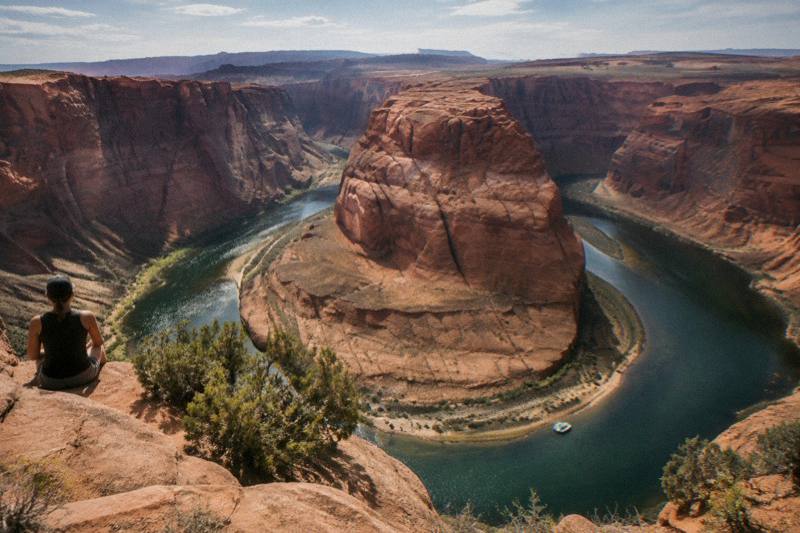
Which Is Better: Horseshoe Bend Or Antelope Canyon?
A comparison of the Horseshoe Bend overlook and Antelope Canyon near Page, with the river float option most visitors miss, prices, timing and what suits families.
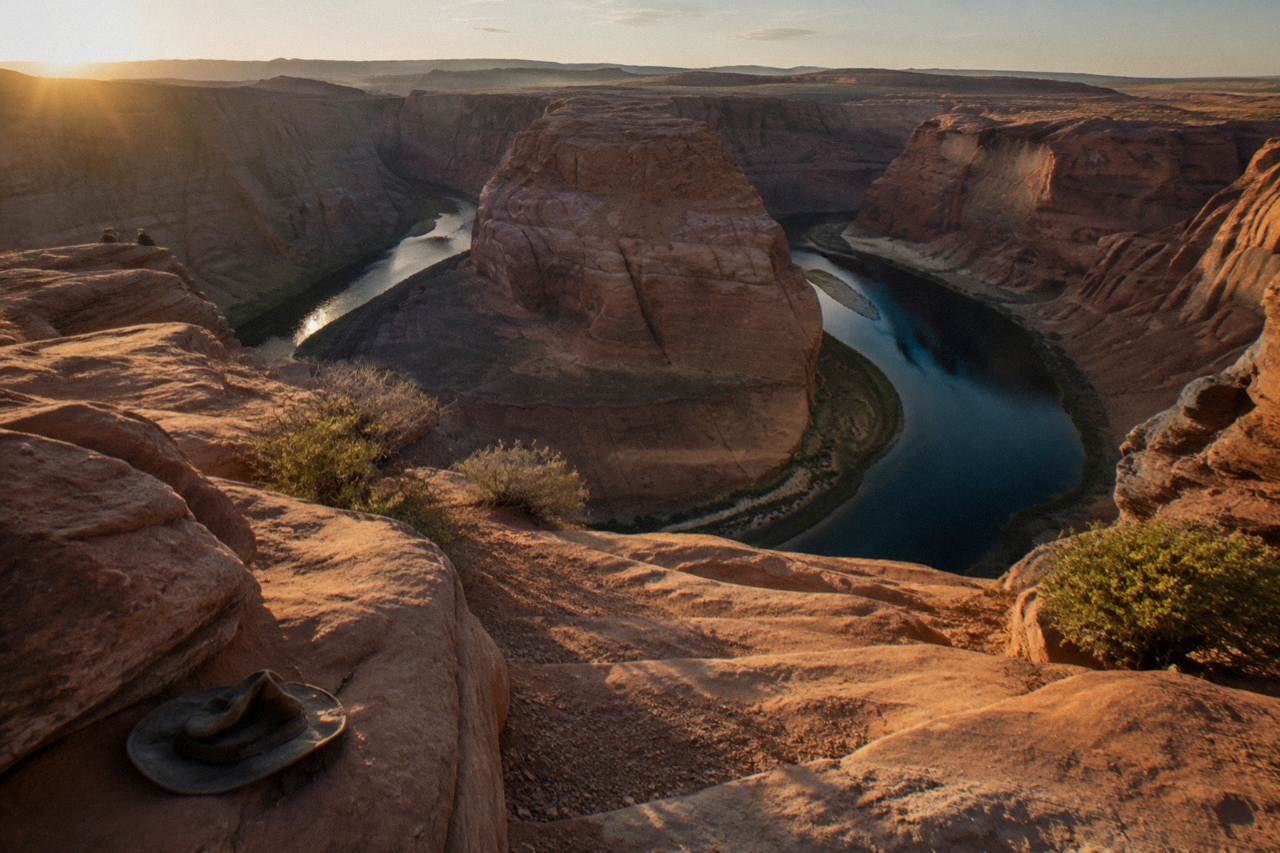
Page sits on top of the sandstone plateau that holds two of the most photographed places in the American Southwest. One is an overlook: a dramatic horseshoe-shaped bend in the Colorado River that you walk to and look down at. The other is a slot canyon: a narrow, sculpted corridor of navajo sandstone that you walk through, usually in the company of a guide and a crowd. Travelers planning a trip to this corner of the plateau constantly ask which one deserves their limited time, and the honest answer depends on what kind of experience they want from the day.
This site is about the river, so the comparison here leans toward the water. That bias is declared up front. But both sit close to Page, and a half-day rafting trip floats the Colorado right through Horseshoe Bend., this article stays general rather than inventing details. The one thing most comparison pieces miss is that Horseshoe Bend is not only an overlook: a smooth-water rafting trip floats the river inside that famous bend, turning a ten minute photo stop into a five hour journey. That float, the Horseshoe Bend Float Trip in Page, is the natural companion piece to this whole question, and it appears throughout this comparison. See also our guide to the glen canyon float trip for the full river-side rundown.
Which Is Better: Horseshoe Bend Or Antelope Canyon?
For most travelers, Horseshoe Bend wins on access, price and the option to experience it from the water, while Antelope Canyon wins on intimacy, shade and photography. The bend is a short self-guided walk to a free viewpoint with a $10 per vehicle parking fee, while the slot canyon requires a paid guided tour with a licensed operator. If you can only choose one and you enjoy rivers, choose the bend and float it. And if you would rather not choose at all, our guide to combining Antelope Canyon and Horseshoe Bend with a float trip shows how to see both in a single day.
The two sites sit a short drive apart near Page, and they could not be more different as experiences. Horseshoe Bend is a wide-open rim above a thousand feet of drop, no railing along most of the ledge, sun or wind depending on the hour, and a view that takes in the whole sweep of the Colorado River as it turns back on itself. Antelope Canyon is the opposite: enclosed, shaded, narrow enough in places that you walk single file, with light beams and swirling rock walls that made it famous on calendars and screensavers worldwide.
The practical comparison favors the bend for independent travelers. The overlook parking lot, run by the City of Page, charges $10 per standard vehicle, and from the lot the walk to the rim is a short desert hike across slickrock. The official Horseshoe Bend FAQ confirms the $10 rate and notes that national park passes are not accepted in this city-operated lot, a detail that surprises visitors holding an America the Beautiful pass. Antelope Canyon, by contrast, lies within the Navajo Nation and can only be entered on a licensed guided tour; there is no walk-in option at all, and tour availability, pricing and photography rules are set by the individual operators, none of which appear in this site's verified fact files.
Then there is the third option that reframes the question. The Colorado River inside the bend is rafted daily on a smooth-water half-day trip that starts with a bus from Page to Lees Ferry, and the park's own one-day trips page describes exactly this: trips begin in Page, guests are bused to Lees Ferry, and the floating happens on the Colorado between Glen Canyon Dam and Lees Ferry. A traveler who floats the bend sees the famous curve from river level, a perspective almost no visitor gets.
If you want to weigh that river option directly against the classic Las Vegas float, this comparison of options helps:
What Kind Of Experience Is Each One, Really?
Horseshoe Bend is a self-paced outdoor panorama: you choose your moment, walk to the edge on your own schedule and stay as long as you like, heat and crowds permitting. Antelope Canyon is a scheduled, guided, underground-feeling walk through sculpted rock where the operator sets the pace, the group size and the hour. One rewards planning around light and weather, the other rewards booking ahead.
Neither experience is demanding in a fitness sense, but their rhythms differ completely. At the bend you are out in open desert. There is no shade on the walk, the rock is uneven in places, and in summer the middle of the day is brutal. Most of the rim is unfenced, which is why families with young children and anyone uneasy with heights should think carefully about the visit; the reward is one of the great river views in North America, seen on your own terms, for the cost of parking.
Antelope Canyon's character is the reverse. The slot is cool, shaded and enclosed, which makes it far more comfortable in the heat of a desert afternoon. But it is not a place you linger: tours move through in groups, the corridor is narrow, and during peak season the walk can feel like a procession. Photography, the canyon's main draw, works best around midday when the sun is high enough to send light beams into the slot, and the operators schedule their tours around that window. This site's verified files carry no specific Antelope Canyon operator names, prices or tour durations, so check current details with the operators themselves before planning that side of the day.
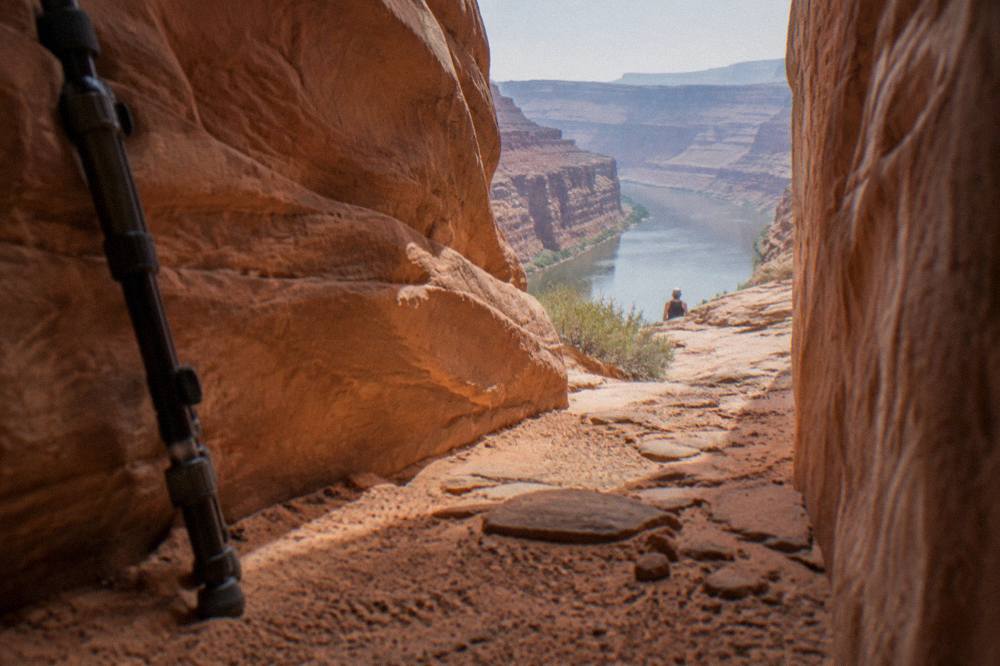
The honest summary of character: the bend is grandeur you stand above, the canyon is texture you stand inside. Photographers who want iconic wide landscape shots choose the bend at sunrise or sunset. Photographers who want glowing, abstract rock formations choose the slot around midday. Travelers who want neither a crowd nor a schedule choose the river float, where the canyon walls slide past at boat speed and the famous bend opens up around you from water level.
For readers whose real interest is the water rather than either land attraction, the horseshoe bend rafting guide covers the float in depth.
Can You Actually Float Through Horseshoe Bend?
Yes. A roughly five-hour smooth-water motor raft trip runs from Lees Ferry through the bend and back to Page by bus, covering about 10 river miles with no rapids, and it is the only way to see the curve from the river itself. The Horseshoe Bend Float Trip in Page is listed from $149.51 per person, rated 4.9 from 194 reviews.
This is the fact that breaks the usual either/or framing. The overlook shows you the bend from a thousand feet up; the float shows it from the water, along with canyon walls you cannot see from the rim. The National Park Service's one-day river trips page describes these smooth-water trips on the Colorado between Glen Canyon Dam and Lees Ferry, operated by Wilderness River Adventures, with guests beginning in Page and traveling by bus to the launch.
The verified trip details: about five hours door to door, about 10 river miles, entirely smooth water with no rapids, and a minimum age of 4. The 2026 season ran from 1 March to about 3 November. The roster lists two listings for this same underlying trip at the same from-price of $149.51 per person: the Horseshoe Bend Float Trip in Page (4.9 from 194 reviews, no meal included) and the Page: Horseshoe Bend Colorado River Half-Day Rafting Trip (4.9 from 86 reviews). They are the same Wilderness River Adventures float sold through two listings, so the choice between them comes down to the food inclusion and the booking terms rather than the experience itself.
Guest reviews from the listing are direct about the experience. Donna R called it "easy, informative, fun, and safe for all ages. Every part of it was a positive experience." Patricia M wrote that "the scenery is stunning. The guides are super knowledgeable and friendly. It's just a great relaxing experience." Both are five-star reviews, and both describe the float as a relaxed trip rather than an adrenaline one, which is exactly what the smooth-water section delivers.
One planning note from the verified files: cancellation terms differ between the two listings of this same trip. The Horseshoe Bend Float Trip in Page lists free cancellation up to 24 hours before the start time, while the Aramark-listed half-day row carries a two-day advance cancellation with a fee. Read the booking page for whichever listing you choose before counting on a late change of plans.
How Do The Costs And Time Compare?
The bend costs $10 to park per standard vehicle plus your time, while the slot canyon requires a paid guided tour priced by individual operators, and the five-hour river float is from $149.51 per person. In rough order: the overlook is the cheapest stop of the day, the float sits in the middle as a half-day commitment, and the slot canyon tour price varies with operator, group size and photography access.
Only some of these figures can be printed with confidence, because the verified files carry no Antelope Canyon tour prices. The table below sticks to what is verified and marks the rest as check-with-operator. The rest of the planning pages sit on Grand Canyon Rafting Tours.
| Experience | Entry Or Tour Cost | Time Needed | Booking Needed |
|---|---|---|---|
| Horseshoe Bend overlook | $10 parking per standard vehicle | About 1 to 2 hours with the walk and photos | No |
| Horseshoe Bend river float | From $149.51 per person | About 5 hours including the bus | Yes |
| Antelope Canyon tour | Set by each licensed operator, check the operator's page | Typically half a morning or afternoon, check the operator | Yes, required |
The time budget matters as much as the money. The overlook visit is short: the walk from the lot, time at the rim, and the walk back fit comfortably inside two hours, which is why so many Page itineraries slot it in at sunrise or sunset around other activities. The float is a half-day block; the listing asks guests to check in 45 minutes early at the operator's Page headquarters on Kaibab Road, and the bus ride to Lees Ferry takes about an hour before the rafting even begins. The slot canyon tour sits somewhere between the two, with the tour itself plus check-in and transport to the canyon entrance typically consuming a good chunk of the morning or afternoon, though exact durations are set by the operators.
Combining is the standard move. A well-built Page day pairs the float with an overlook visit: raft the bend in the morning, stand above it at sunset. The float and the overlook are natural complements rather than competitors, since one gives the river-level view and the other the aerial one. Antelope Canyon can be added on days with more room, or saved for a second Page day.
Which Is Better For Families With Kids?
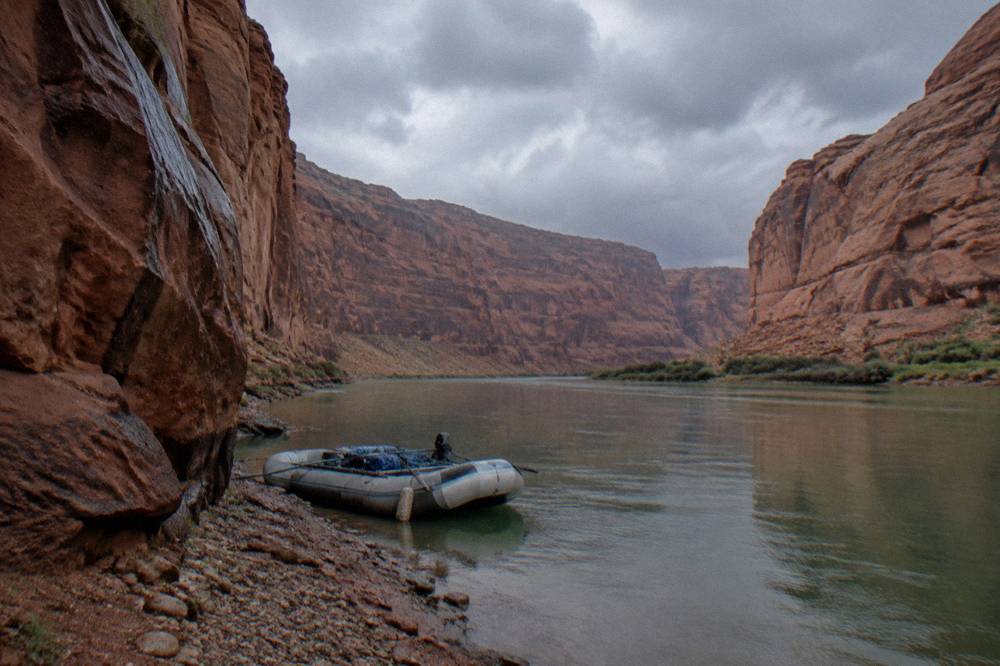
The river float has a stated minimum age of 4, the overlook is open to all ages but unfenced at the rim, and the slot canyon's age rules are set by each operator, so check before booking. For families with children young enough that an unfenced cliff edge is a real concern, the guided float is the most contained option of the three.
The float's minimum age of 4 comes directly from the operator's booking details, and the smooth-water format, no rapids at all, is what makes that low age possible. One guest review of the related Black Canyon float from this site's files captures the family appeal of this type of trip generally, but each river is different; on the Page float specifically, the reviews describe an easy, all-ages experience, with Donna R noting it was "safe for all ages."
The overlook deserves a blunt warning that the comparison articles often soften: most of the rim has no railing. Children who run, climb or do not grasp cliff edges are a genuine hazard here, and the walk to the rim crosses open desert with no shade. Plenty of families visit without incident, but it demands active supervision in a way the guided float does not. The slot canyon, being a guided group walk through an enclosed corridor, is physically contained, though operator age minimums and group pace vary, and the verified files carry no specific Antelope age policy to quote.
For families weighing a different base than Page, the Black Canyon floats below Hoover Dam are the other classic family raft option from Las Vegas, including the Hoover Dam 1.5-Hour Raft Tour in Black Canyon, from $69 per person with a 4.9 rating from 254 reviews, described in full in the hoover dam rafting guide.
Which One Should A Photographer Choose?
Landscape photographers generally choose Horseshoe Bend at sunrise or sunset for the wide river curve, while the slot canyon's famous light beams favor midday tours, and the float offers a third option: river-level canyon walls that almost nobody photographs from a tripod at the rim. Your light window should pick the experience for you.
Light is the whole game here. The bend faces its best color when the sun is low, which makes dawn and dusk the photographer's hours and midday the flattest. The slot canyon works in reverse: its beams and glow appear when the sun is high overhead, so the midday tours that feel hot and crowded at the bend are exactly the ones photographers want inside the canyon. Scheduling both on one day, sunset at the bend and midday in the slot, is a workable double, but it leaves no room for the five-hour float.
The float as a photography subject is underrated. From the water, the canyon walls rise on both sides and the bend's inner curve reveals itself progressively, a completely different composition from the overhead postcard shot. The trade-off is practical: you are shooting from a moving raft among other passengers, so it favors wide handheld work over long exposures. Some travelers solve the whole dilemma by shooting the bend from the rim at sunset the evening before their float day, then experiencing the river the next morning.
Whatever you shoot, pack for the environment rather than the shot list. The what to wear grand canyon rafting guide covers the clothing logic, and one guest review of the three-hour Black Canyon float offers advice that applies to any desert river day: "Wear sunscreen even if it is cloudy and cool."
How Do You Build The Best Page Day Around Both?
The strongest Page itinerary stacks them: float the river in the morning, visit the slot canyon around midday when its light is best, and close the day at the overlook for sunset, using the verified season windows and check-in times to sequence it. Done in that order, you get all three experiences and each one in its best light.
The sequencing logic is simple. The float demands the morning: the 2026 schedule shows departures through the day but the five-hour block plus the 45-minute early check-in and the hour bus ride make an early start natural. The slot canyon wants midday sun. The overlook wants the low golden light of the day's end. That chain uses the whole day but wastes none of it, and each experience lands in its ideal window.
Some travelers base themselves in Las Vegas rather than Page, which changes the arithmetic entirely; the grand canyon day trip from las vegas guide covers that longer loop. Page is far enough from Las Vegas that the bend, the slot and the float as a triple is realistically an overnight trip, not a day trip from the Strip. Travelers with only one Las Vegas day who want water under them instead have the Black Canyon options below Hoover Dam, including the three-hour motorized float with lunch, from $140 per person, rated 4.8 from 413 reviews.
Two practical warnings for the sequencing. First, the float requires minimum passenger numbers to operate per the operator's booking details, so a morning float can occasionally shift or consolidate, leaving the midday slot plan tighter than expected; build in slack. Second, weather and water releases decide river days, not calendars. The Bureau of Reclamation publishes Glen Canyon Dam release data, and conditions change; check the operator and park pages close to your date rather than assuming the schedule you booked is the schedule you'll get.
For travelers whose desert day needs air time as well as water, a helicopter and river combination like the Grand Canyon Helicopter Tour and River Raft or Emerald Cave Kayak, from $699 per person and rated 4.6 from 267 reviews, covers both from Las Vegas in one booking.
Common Questions About Horseshoe Bend Or Antelope Canyon
Which is better, Horseshoe Bend or Antelope Canyon?
Neither is objectively better. Horseshoe Bend is cheaper and faster to visit, needs no booking, and offers a five-hour river float option; Antelope Canyon is a guided walk through a shaded slot canyon with famous light. Choose the bend for the river view and freedom, the canyon for shade and rock texture.
Can you do Horseshoe Bend and Antelope Canyon in one day?
Yes, and many travelers add the river float as a third experience. The strongest order is the float in the morning, the slot canyon around midday when its light beams appear, and the overlook at sunset. Build in slack, since the float requires minimum passenger numbers to operate.
How much does it cost to see Horseshoe Bend?
Parking at the City of Page lot is $10 per standard vehicle, and national park passes are not accepted there. The overlook itself has no separate entry fee. Floating the river through the bend on the half-day trip costs from $149.51 per person.
Can you enter Antelope Canyon without a tour?
No. Antelope Canyon lies within the Navajo Nation and can only be visited on a tour with a licensed guide. Tour prices, durations and photography rules are set by individual operators, so check the operator pages directly for current details.
Is the Horseshoe Bend float suitable for children?
Yes, from age 4. The trip is entirely smooth water with no rapids, lasts about five hours including the bus from Page, and reviews describe it as easy and safe for all ages.
Is Horseshoe Bend safe with kids at the rim?
The overlook is open to all ages, but most of the rim is unfenced and the walk has no shade, so it requires active supervision of children. The guided river float is a more contained family alternative.
If you want to see the famous curve from below instead of above, Check availability on the Horseshoe Bend Float Trip in Page, or browse the floats compared in our glen canyon float trip guide.