Why Is 90% Of The Grand Canyon Closed?
A plain explanation of why so much of the Grand Canyon is off limits to casual visitors, what the restrictions actually protect, and how to reach the river corridor through commercial trips and Grand Canyon West.
Why Is 90% Of The Grand Canyon Closed?
The short answer is that the Grand Canyon is a managed wilderness, not a drive-through park. Most of it has no road, no trailhead and no developed access, and the National Park Service deliberately keeps it that way. The inner canyon and the river corridor are reached through a permit system and licensed commercial operators, so a large share of the canyon is effectively closed to unguided, unplanned visitation.
The number itself circulates widely, and this site will not confirm or deny a precise percentage. The park does not publish a figure of that kind on its main visitor pages, and any specific number you see quoted online should be treated with caution. What is verifiable is the pattern behind the question: a national park that is enormous, mostly trail-less, mostly road-less, and gated by a permitting system for its wildest sections.
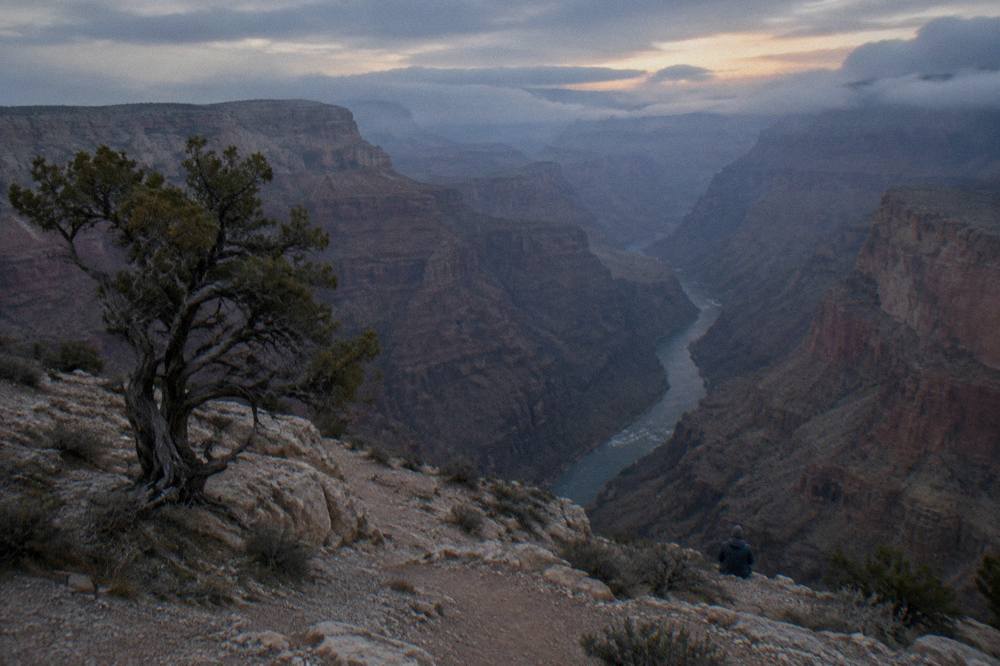
That pattern is not an accident or a recent lockdown. Grand Canyon National Park was shaped by a balancing act that goes back decades: protect a desert river ecosystem and an archaeological record that would be destroyed by casual traffic, while still letting millions of people a year stand at the rim and look in. The result is a park where the developed rim is a thin, crowded edge and the interior is close to empty.
For readers who arrive at this question because they want to get onto the river rather than argue about statistics, the practical routes exist and they are well documented. Commercial rafting trips, Hualapai land at Grand Canyon West, and the smooth-water floats below Glen Canyon Dam all put ordinary travelers inside the canyon walls. This article walks through each of them.
What The Question Is Usually Reaching At
When people ask why most of the canyon is closed, they are usually reacting to three real restrictions: the river permit lottery that controls private rafting trips, tribal ownership of large parts of the rim and river, and the absence of roads or maintained trails into the inner gorge. Each has a different owner and a different logic, and lumping them together produces the impression of a locked gate.
Start with the river permit. Private rafting trips through the Grand Canyon are rationed by a weighted lottery run by the National Park Service. For the 2027 launch year, the park received applications across the first three weeks of February 2026, and the weighted lottery page states that a total of 478 permits were available for 12- to 25-day river trips. The costs stack up too: a $25 lottery application, a $200 or $400 trip deposit depending on trip size, and a $90 river permit per participant. Waiting lists for guided commercial trips run a year or two ahead.
Then there is land ownership. The Grand Canyon is not one continuous block of National Park Service land. The Hualapai Reservation holds a long stretch of the southern rim and river corridor in the west, and the canyon crosses other jurisdictions including Lake Mead National Recreation Area downstream. The Hualapai run their own tourism economy at Grand Canyon West, including the one-day whitewater rafting trip operated by Grand Canyon Resort Corporation that this site lists, from $688.85 per person with a helicopter exit and Skywalk access included. If you'd rather visit the Skywalk on its own, our guide to Grand Canyon West and the Skywalk covers ticket options, the drive from Las Vegas, and what to expect on the glass bridge.
Finally, geography. The inner gorge is vertical. Where there is no trail, there is no legal or sensible way down, and the park has intentionally built only a handful of corridor trails. That is not a closure sign so much as a cliff.
Is The Rest Of The Canyon Actually Off Limits?
Strictly speaking, most of the canyon is not closed, it is undeveloped. Backcountry camping below the rim requires a permit, and some zones have strict use limits, but a prepared hiker with a permit can reach large parts of the interior on foot. What is genuinely restricted is motorized access, unpermitted river travel, and archaeological sites, plus the sections under tribal management where the tribe, not the park, sets the rules.
The distinction matters because "closed" suggests a barrier. What the backcountry information actually describes is a zoning system. Corridor zones near the main trails carry heavy use. Threshold and primitive zones demand experience, route-finding ability, and in many cases prior backpacking history before a permit is granted. The park's own framing, visible on pages like the river concessioners page, is that the Colorado River through the canyon is run under concession contracts precisely so that visitation stays controlled and guided.
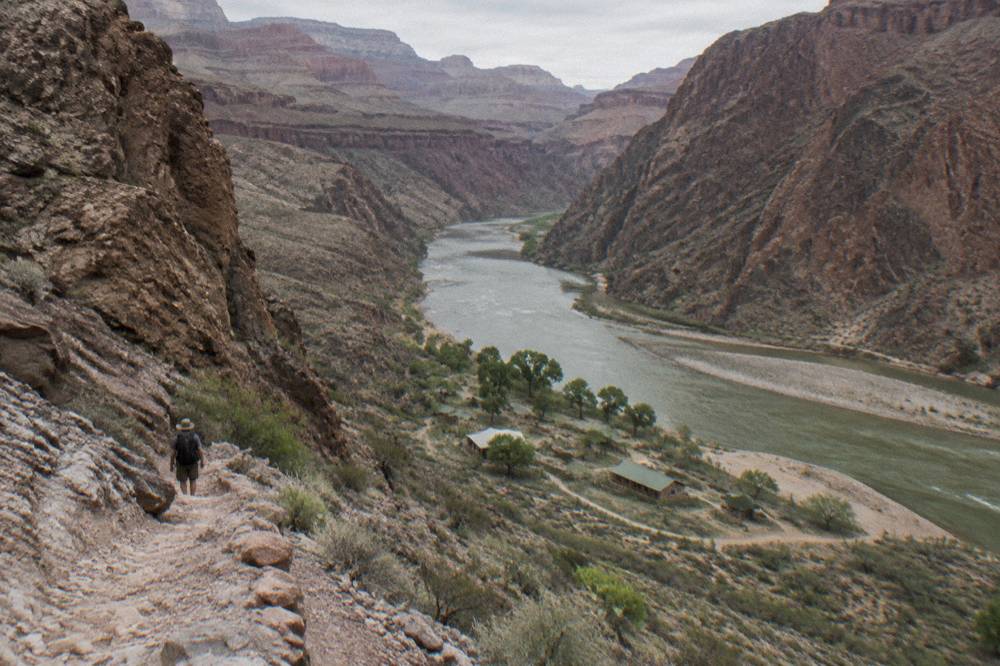
The river corridor itself is the clearest case. Between Lees Ferry and the Pearce Ferry area the park measures 226 river miles, and every commercial trip on that stretch is run by one of the 16 authorized companies under contracts to 2033. A private group can run the same river, but only through the lottery described above, which is why some applicants wait years. The system is rationing a scarce, fragile resource, not blocking the public from public land.
Tribal land is the other piece. Grand Canyon West sits on the Hualapai Reservation, and access there is a commercial transaction with the tribe: entry passes, the Skywalk, and the river trips operated by Grand Canyon Resort Corporation. The one-day whitewater listing on this site is that Hualapai product, rated 5 from 4 reviews, meeting at Hualapai Lodge in Peach Springs, with ground transport from the lodge, running about 8 hours. It includes lunch, the helicopter exit from the canyon floor, and the Skywalk.
| Access type | Who controls it | What a visitor needs |
|---|---|---|
| Rim viewpoints and corridor trails | National Park Service | Park entrance pass, $35 per private vehicle for 7 days |
| Backcountry below the rim | National Park Service | Backcountry permit, zone-dependent availability |
| Private river trip, Lees Ferry to Pearce Ferry area | National Park Service lottery | Lottery application, deposits and per-participant fees |
| Guided river trip on the same stretch | 16 authorized concessioners | A booking, often made one to two years ahead |
| Grand Canyon West and its river trips | Hualapai Tribe | An entry pass and tour booking from the tribe's operation |
Why The River Corridor Is So Tightly Managed
River travel through the Grand Canyon is rationed because the alternative was measurable damage. The Colorado River corridor holds fragile beaches, rare riparian habitat, and thousands of archaeological sites, and motorized or private traffic without limits eroded all three. The permit system and the concessioner contracts exist to cap the number of people on the water per year and to put a trained guide on every commercial raft.
The park's history here is worth knowing because it explains the tone of the rules. Through the middle of the last century, river running in the canyon grew from a handful of expeditions into an industry, and the National Park Service responded by limiting launches rather than building infrastructure. Today the structure is explicit: 16 companies hold the commercial contracts, trips last 3 to 18 days, and the Hualapai operation on the western stretch runs its own season from April to October under tribal authority. Everything else on the river is either a permitted private trip or illegal.
For a traveler, the practical consequence is that the river is open, but only through doors someone else holds. That is the honest answer to give anyone who frames the canyon as locked up. You cannot rent a raft at Lees Ferry and go. You can book a seat with a concessioner, and the trips here on Grand Canyon Rafting Tours are exactly those seats, from a three-hour motorized float below Hoover Dam to a six-day motor trip through the national park stretch.
The multi-day end of the market shows how the rationing plays out. Commercial trips are, in the park's own words, often reserved a year or two in advance, and operator pages for 2026 quote trip prices from roughly the low four figures for short upper or lower canyon sections into the mid four figures for full-length runs. The two multi-day listings carried on this site are a 3-day camping trip from Las Vegas from $1855 per person and a 6-day motorized trip from Page from $3420 per person, both new listings with no reviews yet.
What Is Actually Open At Grand Canyon West
Grand Canyon West, on the Hualapai Reservation, is the most accessible exception to the "closed canyon" story. The tribe opens its section of the rim and river to visitors through its April to October river season, with a minimum age of 8 for the whitewater trip, and the product bundles the parts most visitors assume are off limits: the rapids, a helicopter ride out of the gorge, and the Skywalk glass bridge at the rim.
The one-day trip there is a genuinely unusual design. A motorized raft runs whitewater and calm stretches of the Colorado below Diamond Creek, stops for lunch on a beach, offers an optional guided hike to Travertine Cavern Falls, and then lifts passengers out by helicopter from the canyon floor to the rim. Hualapai guides provide the cultural interpretation. The listing on this site, the Grand Canyon West: Whitewater Rafting, Helicopter, & Skywalk tour, is from $688.85 per person, rated 5 from 4 reviews, and starts at the Hualapai Lodge in Peach Springs.
One thing worth catching before you book: the launch point is not at the Grand Canyon West rim area itself. The rafting operation launches at Diamond Creek near Peach Springs, which the operator's page places about a two-hour drive from the West Rim attractions, which is why transport is bundled. Free cancellation runs up to 24 hours in advance on this listing.
That trip is the featured related tour for this article because it answers the underlying question directly. A reader who hears the canyon is mostly closed can, in one day on Hualapai land, stand inside the gorge on the water, ride a rapid, and exit by air. The 90 percent framing stops mattering the moment you are on the river.
For readers planning a Page itinerary instead, the smooth-water Horseshoe Bend float covers a comparable "inside the walls" experience in Glen Canyon, described in the site's Glen Canyon float trip guide.
Do You Need A Permit To Join A Guided Trip?
No. The lottery and the permit fees apply to private, self-guided river trips. Every commercial trip runs under the operator's concession permit, and your only obligation is the booking price and whatever the listing states. The park's one-day river trips inside Grand Canyon National Park are the smooth-water floats from Page, and everything below Hoover Dam runs on Lake Mead National Recreation Area water under that operator's permissions.
This is the point where confusion costs people money or time. Some readers assume they must enter a lottery before they can book any rafting, delay a perfectly bookable tour, and lose their dates. The weighted lottery exists solely for people piloting their own craft down the 226-mile national park stretch on trips of 12 to 25 days. A family booking the five-hour Horseshoe Bend float from Page, rated 4.9 from 194 reviews and from $149.51 per person, simply checks in at the Page meeting point and takes the included bus to Lees Ferry.
The boundaries matter too. The Black Canyon floats below Hoover Dam are not in the Grand Canyon at all, a distinction this site states plainly wherever those trips appear. That stretch is part of Lake Mead National Recreation Area, a 30-mile National Water Trail where launching at the dam itself is limited to permitted vendors, and where the water sits in the low 50s Fahrenheit year round. Readers comparing those floats can start with the site's Hoover Dam rafting guide.
| Trip on this site | Where it actually runs | Managing authority | Permit needed by you |
|---|---|---|---|
| Grand Canyon West whitewater day | Colorado River at Diamond Creek | Hualapai Tribe | No, booking only |
| 6-day motorized raft trip | Grand Canyon national park stretch | NPS concessioner permit | No, booking only |
| Horseshoe Bend half-day float | Glen Canyon, Glen Canyon Dam to Lees Ferry | NPS concessioner permit | No, booking only |
| 3-hour Black Canyon motorized raft | Black Canyon below Hoover Dam | Lake Mead NRA vendor permits | No, booking only |
| Private 12-25 day river trip | Lees Ferry to the Pearce Ferry area | NPS weighted lottery | Yes, lottery and fees |
Note the last row. That is the only line in the table where a member of the public deals with the permit system personally, and it applies to roughly two weeks to nearly a month of self-guided river running. Everyone else buys a seat.
The 3-hour Black Canyon motorized raft tour with optional transport, from $140 per person and rated 4.8 from 413 reviews, is a good example of how much access a plain booking buys: a narrated bus into the Hoover Dam Security Zone, a launch below the dam that only a limited set of vendors can use, and a guided float with lunch on the water. One reviewer on the listing, Kelly M, called it a chance to see "beautiful scenery and things that we could never have experienced if not on that tour."
How To Actually Get On The River This Year
Pick the section that matches your time budget. One day gets you the Horseshoe Bend float from Page or the Hualapai whitewater day from Peach Springs. Half a day from Las Vegas gets you the Black Canyon below Hoover Dam. Three to six days gets you onto the national park stretch of the Colorado with a concessioner, meals and camping included. The constraint is never access in principle, it is season, minimum ages and booking lead time.
Seasons and ages come from the operators and the park, and they differ by stretch. The Hualapai river season runs April through October with a minimum age of 8. The Page float runs its 2026 departures from the start of March to early November with a minimum age of 4, on smooth water with no rapids. The Black Canyon can be paddled year round. The national park's commercial river season runs April through October, and the park warns that trips are often reserved a year or two ahead, so a multi-day seat for this coming season depends on cancellations.
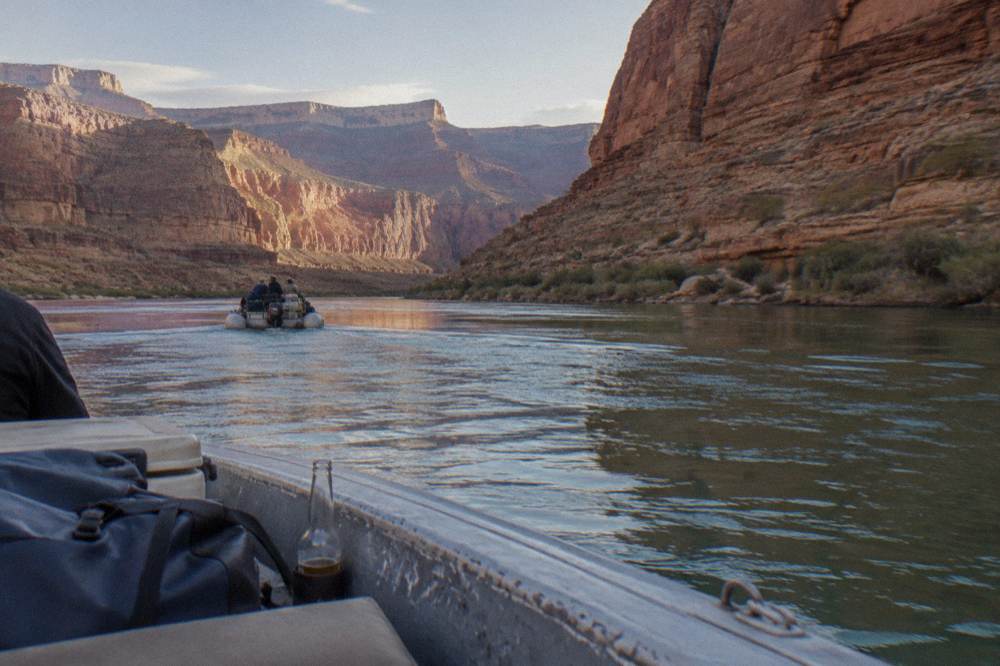
Budget follows the same gradient. The shortest Black Canyon float on this site, the Hoover Dam 1.5-Hour Raft Tour, starts at from $69 per person and is rated 4.9 from 254 reviews, with no transport included since you make your own way to the launch. The one-day Hualapai whitewater package sits near $688.85. The multi-day trips run from $1855 for three days to $3420 for six. None of these require a permit from you, and none of them involve a lottery.
Cancellation terms vary by listing, so read the booking page each time rather than assuming a standard rule. The West Rim whitewater day allows free cancellation up to 24 hours in advance. The six-day motor trip simply refers you to the booking page. The Page listings differ from each other even though they sell the same underlying Wilderness River Adventures float, with one requiring cancellation up to 2 days in advance with a fee and the other allowing free cancellation up to 24 hours before the start time. Most listings here allow free cancellation but the cutoff differs.
If the question that brought you here was really "can I see the inside of the canyon without hiking the corridor trails," the answer is yes, several ways over, and the site's one day Grand Canyon rafting guide compares them side by side.
Common Questions About The Closed Grand Canyon
Why Is 90% Of The Grand Canyon Closed?
This site does not confirm or deny that exact figure, because the park does not publish one. What is true is that most of the canyon has no road or developed trail, the inner canyon and river are managed through permits and licensed operators, and parts of the rim and river sit on tribal land with its own access rules. The canyon is mostly undeveloped and access-controlled rather than shut.
Can I Raft The Grand Canyon Without A Permit?
Yes, if you go with a licensed operator. The permit lottery applies only to private, self-guided trips of 12 to 25 days on the national park stretch. Commercial trips, from the half-day Page float to the Hualapai whitewater day, run under the operator's own authorization and need only a booking from you.
Is Any Part Of The Canyon Open To The River Without A Long Trip?
Yes. The Hualapai one-day whitewater trip runs from Peach Springs with a helicopter exit and Skywalk access, from $688.85 per person. The half-day Horseshoe Bend float from Page runs about 5 hours on smooth water with a minimum age of 4. Below Hoover Dam, the Black Canyon floats run from 1.5 to 4 hours.
Why Is The River Permit Lottery So Competitive?
Only 478 permits were available for the 2027 launch year, covering trips of 12 to 25 days, while demand from private boaters far exceeds that. Applications open in February, results follow by the end of the month, and fees include a $25 application, a $200 or $400 deposit, and a $90 river permit per participant.
Is Grand Canyon West Part Of The Closed Area?
No. Grand Canyon West is on the Hualapai Reservation and is operated by the tribe as a destination, open through its April to October river season. It is separate from the National Park Service permit system, and its river trips, helicopter exits and the Skywalk are bought directly as tours.
Are The Black Canyon Trips Part Of The Grand Canyon?
No, and honest tour descriptions say so. The Black Canyon is the stretch of the Colorado below Hoover Dam inside Lake Mead National Recreation Area, a 30-mile National Water Trail with smooth water and year-round paddling. Its tours are gentle floats, not whitewater, and they are not subject to Grand Canyon permits.