Is Upper Or Lower Grand Canyon Rafting Better?
Comparing the upper Grand Canyon (Lees Ferry end) with the lower canyon (Diamond Creek and West Rim end): trip lengths, prices, ages and how to choose.
Is Upper Or Lower Grand Canyon Rafting Better?
Neither end is simply better: they serve different trips. The upper canyon is the Lees Ferry launch, where every multi-day commercial trip begins, covering 226 river miles toward the Pearce Ferry area over 3 to 18 days. The lower end is the Diamond Creek take-out and the Hualapai West Rim country, home to a one-day whitewater trip with a helicopter exit, minimum age 8, season April to October. For travelers coming from Las Vegas, the West Rim's closeness to the city is exactly what makes that one-day whitewater trip with a helicopter exit realistic.
The question sounds like a gear comparison, but it is really a calendar question. If you have a week or more, you are almost certainly shopping for a Lees Ferry trip, a full-canyon or upper-section journey run by one of the 16 National Park Service authorized concessioners on contracts running from 2024 through 2033. If you have one day and you are starting from Las Vegas, the realistic whitewater option is the Hualapai river trip that launches at Diamond Creek near Peach Springs, an operation the tribe's own pages describe in detail.
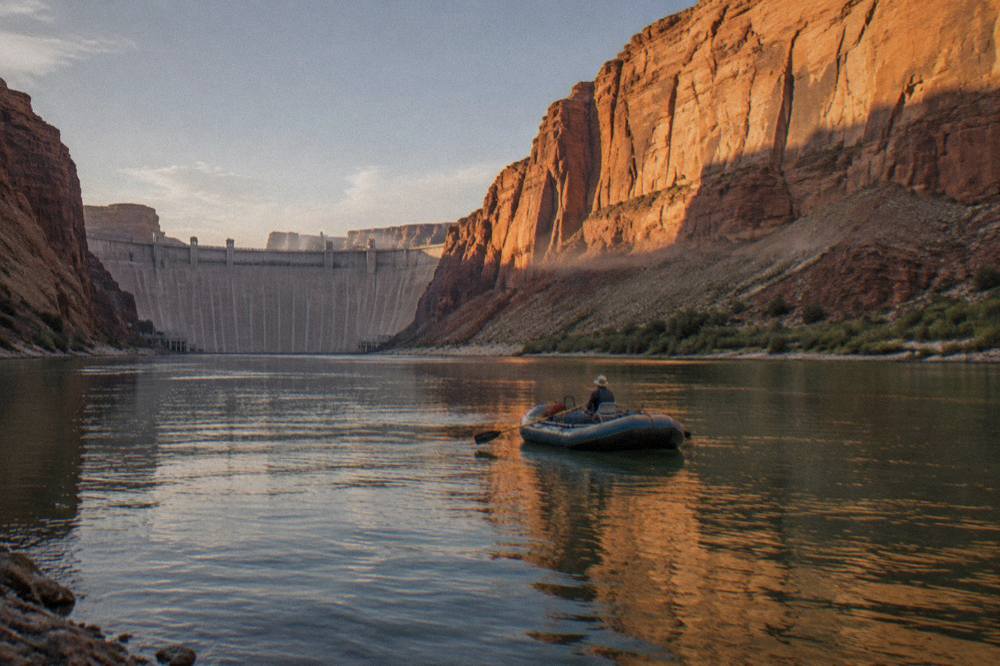
There is a third answer worth naming early, because it confuses the comparison. The smooth-water half-day float between Glen Canyon Dam and Lees Ferry, which the park describes as its only one-day river trip, is upstream of the Grand Canyon proper. It shares the launch point with the multi-day trips but none of the rapids. This site covers that trip in its Glen Canyon float trip guide, and we will flag below where it fits into the upper-versus-lower decision.
Readers choosing between the two ends usually weigh four things: how much time the trip eats, how much whitewater it contains, how old the youngest traveler in the group is, and what the whole thing costs. The comparison below works through each in turn, using only what the park and the operators publish. Where no figure is published, this guide leaves the number out rather than guessing. That last rule matters more here than on most pages, because prices at the two ends differ by a factor of five and a wrong figure can push a reader toward the wrong trip entirely.
What Does The Upper Canyon Actually Offer?
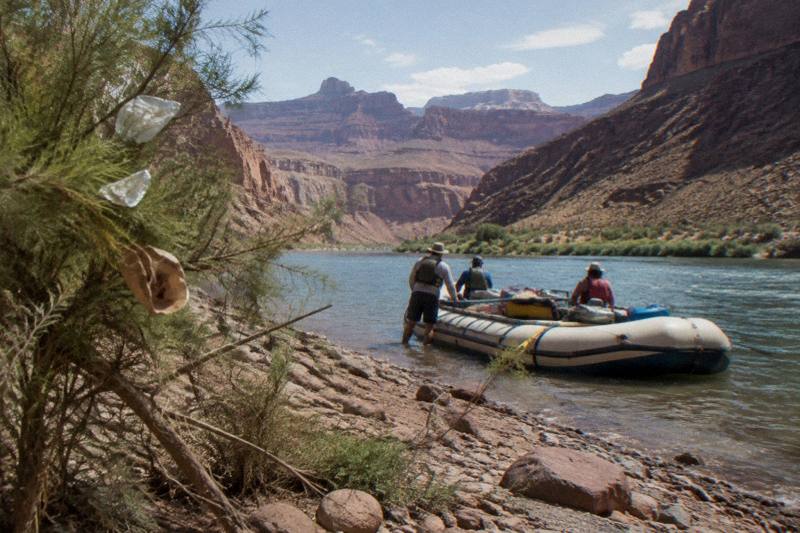
The upper canyon means the Lees Ferry end of the river, the official start of the Grand Canyon at river mile zero. Commercial trips here run 3 to 18 days, the National Park Service selected 16 companies to operate them, and their contracts run from 1 January 2024 to 31 December 2033. Trips are often reserved a year or two ahead, so the planning horizon is long.
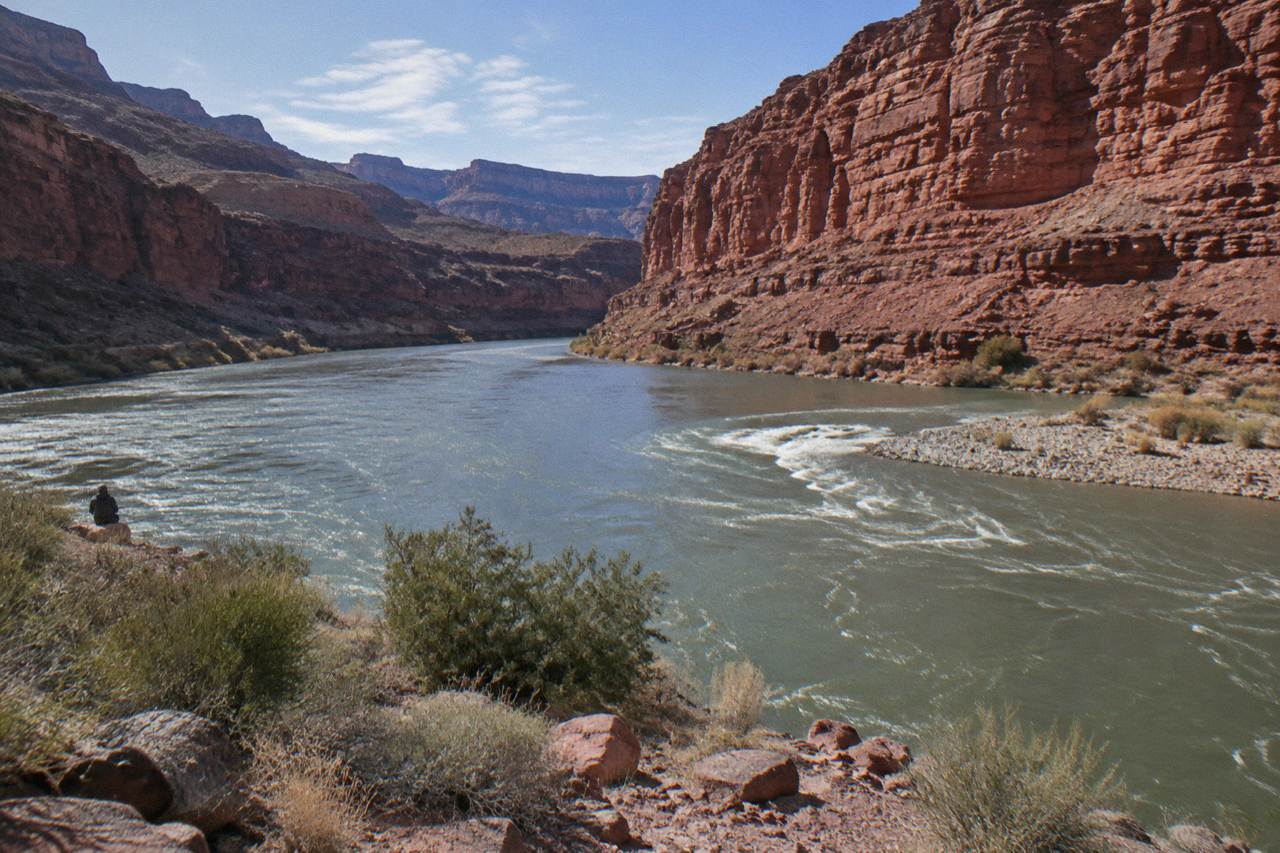
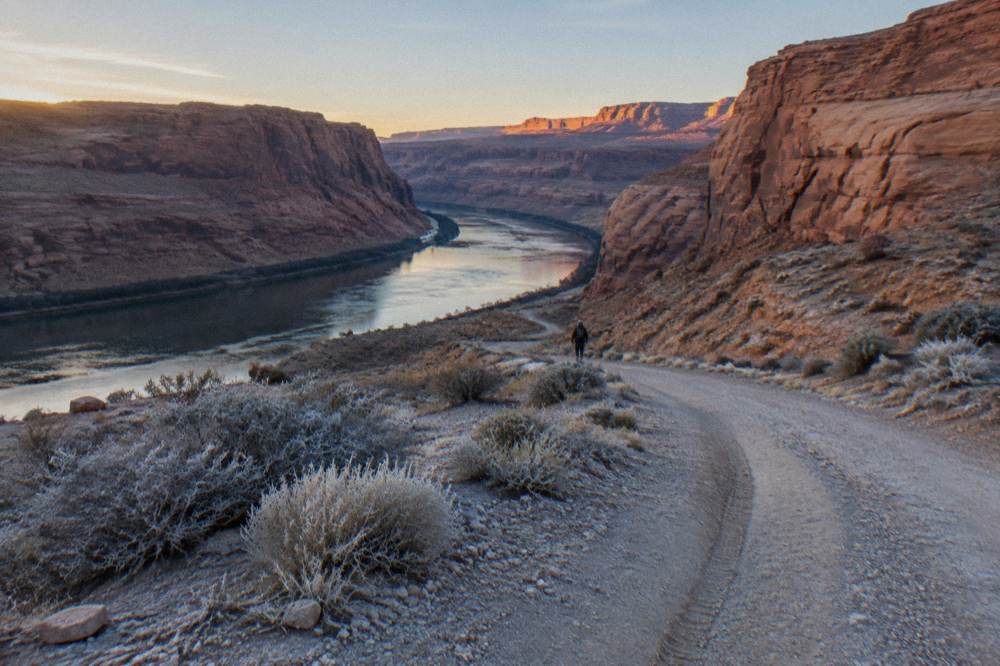
Lees Ferry sits 42 road miles from Page, and the park makes a claim worth quoting because it frames the whole upper-canyon experience: it is the only place within Glen Canyon where you can drive to the Colorado River across more than 700 miles of canyon country, right up to the first rapid in the Grand Canyon. That first rapid is where the float section ends and the real canyon begins. Everything downstream of it, for the next 226 river miles to Diamond Creek, belongs to the multi-day outfitters and the private-permit holders who won the weighted lottery.
The concessioner trips come in several shapes, and the park lists them plainly: large motorized rafts, oared rafts, paddle rafts, and dories, with trips lasting from three to eighteen days. Section trips split the canyon so you can raft the upper half or the lower half separately, usually with a hike in or out at Phantom Ranch, while full-canyon trips cover the whole run in one journey. Motorized rigs move faster, which is why a full-canyon motor trip compresses into roughly a week while oar-powered trips take two weeks or more. Our motor versus oar comparison breaks down that trade-off in detail.
Two listings here represent the upper-canyon end of the market. The Grand Canyon: 6 Day Motorized Raft Trip with Meals & Flight, run by Aramark Destinations through Wilderness River Adventures, is a new listing with no reviews yet, priced from $3,420 per person, departing from Page with meals and a flight included. The Las Vegas: 3-Day Grand Canyon Rafting & Helicopter Tour covers a shorter section over three days from $1,855 per person, also a new listing with no reviews yet. Both illustrate the honest pattern: long trips, high prices, and planning that starts many months out.
What Does The Lower Canyon And West Rim End Offer?
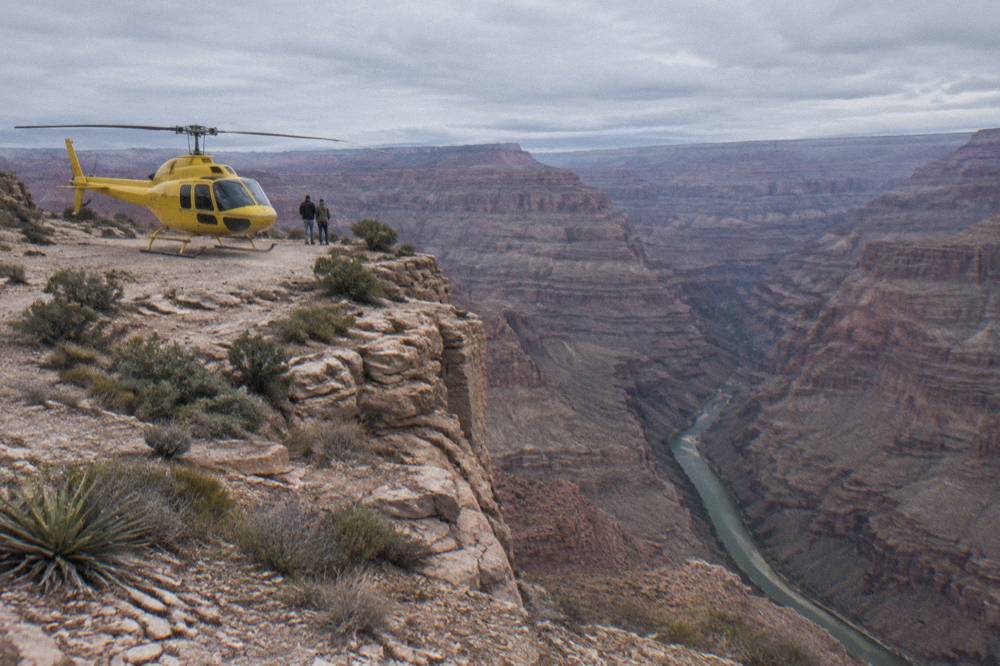
The lower end means the take-out country: Diamond Creek, the Pearce Ferry area, and the Hualapai Nation's West Rim operation. The Hualapai one-day whitewater trip launches at Diamond Creek near Peach Springs, runs an April to October season, requires a minimum age of 8, and ends with a helicopter flight from the canyon floor to the rim at Grand Canyon West.
This is the trip to bookmark if you want whitewater without a week of vacation. The tribe's pages describe a motorized raft through rapids and calm stretches, an optional guided hike to Travertine Cavern Falls, lunch on a sandy beach, cultural interpretation by Hualapai guides, and the helicopter exit that turns a river day into a rim day by late afternoon. One point the operator stresses, and worth repeating, is that the launch at Diamond Creek is not at Grand Canyon West itself; the drive between them is about two hours, so logistics matter.
On this site, the listed version is the Grand Canyon West: Whitewater Rafting, Helicopter, & Skywalk, run by Grand Canyon Resort Corporation from $688.85 per person, an 8-hour small-group day with a meal and the Skywalk bundle, rated 5 from 4 reviews. The rating comes from four travelers, so treat it as a small sample rather than a verdict. Our Hualapai River Runners guide covers the operator in full.
The lower end also owns the exit geography for everyone else. The park notes that Diamond Creek take-outs involve a Hualapai Tribe fee and an advance permit, which is part of why even the National Park Service concessioners coordinate their take-outs with the tribe. So "lower canyon" is not one product; it is a stretch of river plus a tribal partner whose rules apply at the far end.
Which End Has The Real Whitewater?
Both ends have whitewater, but in different quantities and on different schedules. The multi-day trips from Lees Ferry pass through the full 226-mile sequence of rapids over days or weeks. The Hualapai day trip runs a concentrated whitewater section in a single 8-hour outing. The half-day Lees Ferry float upstream of the dam has no rapids at all; it is smooth water by design.
The park describes the one-day option bluntly: the only one-day river trips are the smooth-water Lees Ferry floats, run by Wilderness River Adventures from Page with a bus to the launch. That statement clears up a common misconception. You cannot book a one-day whitewater trip through the national park's concessioner system; the one-day whitewater product that exists is the Hualapai operation on tribal land at the west end. Readers asking can you go rafting through the Grand Canyon often arrive at exactly this fork. If the Hualapai side of that fork tempts you, our guide to Grand Canyon West and the Skywalk covers what else awaits on that rim.
For readers weighing the smooth-water Page option against the whitewater day, the choice is starker than it first looks. The Horseshoe Bend Float Trip in Page, run by Wilderness River Adventures, costs from $149.51 per person, runs about 5 hours on roughly 10 river miles of flat water with a minimum age of 4, and carries a 4.9 rating from 194 reviews. The West Rim whitewater day costs from $688.85, runs 8 hours, and sets its minimum age at 8. Different prices, different rivers, different audiences. One traveler review of the Page float calls it "easy, informative, fun, and safe for all ages," which is exactly the point of that trip and exactly what it is not trying to be.
| Trip | End of the river | Water character | Days | From price per person | Minimum age |
|---|---|---|---|---|---|
| Grand Canyon: 6 Day Motorized Raft Trip | Upper (Lees Ferry launch) | Full multi-day canyon run | 6 | $3,420 | not stated on the listing |
| Grand Canyon West: Whitewater, Helicopter, & Skywalk | Lower (Diamond Creek) | Whitewater in one day | 1 | $688.85 | 8 |
| Horseshoe Bend Float Trip in Page | Above the canyon (Glen Canyon) | Smooth water, no rapids | 0.5 | $149.51 | 4 |
How Do Time, Cost And Age Compare Between The Two Ends?
Time is the biggest divider: 3 to 18 days for the upper-canyon concessioner trips versus one day for the Hualapai whitewater trip. Cost follows the same curve, from $688.85 for the West Rim day to from $1,855 and from $3,420 for the multi-day listings here. Ages split too: 8 for the Hualapai trip, 4 for the Page float, and operator-specific rules on the long trips, since no universal park minimum exists.
Multi-day operators publish 2026 price ranges by trip length: 3 to 4 day trips roughly $1,933 to $2,432, 5 to 7 day trips roughly $3,677 to $4,799, 12 to 14 day oar trips roughly $5,857 to $9,499, and the longest full-canyon journeys from about $9,199. Those are operator-listed figures, not site prices, and they move with length, craft type and season. The pattern, though, is stable: every step down in days is a step down in dollars, and every step up buys more of the 226 miles.
Ages deserve a careful read because readers routinely assume a park-wide rule. There is not one. The Hualapai pages set 8 as the minimum for the one-day whitewater trip. The Page float sets 4. On the multi-day river, the operator examples in our files range from 7 or 12 at one outfitter to 8, 9 or 12 at others, depending on trip type and length, with adults accompanying minors. The two multi-day listings on this site do not state a minimum age, so the booking page is the authority there.
Cancellation terms differ too, and no blanket rule covers everything. The West Rim whitewater listing allows free cancellation up to 24 hours in advance. The multi-day listings say "see booking page" for their terms, which is honest advice for any trip of this length and price. Most listings on this site allow free cancellation, but the cutoff differs from one trip to the next, so read the booking page before committing.
| Factor | Upper end (Lees Ferry multi-day) | Lower end (West Rim one-day) |
|---|---|---|
| Trip length | 3 to 18 days | 8 hours |
| Season | April to October | April to October |
| Minimum age | Operator-specific, no park-wide rule | 8 |
| Planning horizon | Often a year or two ahead | Days to weeks |
| Launch point | Lees Ferry, near Page | Diamond Creek, near Peach Springs |
| Exit style | River take-out or helicopter at the rim, by trip | Helicopter from canyon floor to rim |
| Listed price on this site | From $1,855 and from $3,420 per person | From $688.85 per person |
What About The Permits And The Private Option?
If you want to run the canyon yourself, the noncommercial lottery is the only route, and it is competitive: 478 permits for 12 to 25 day trips in the 2027 launch year, with applications in February and costs of $25 to apply, a $200 or $400 deposit, and a $90 river permit per participant. The weighted lottery exists because demand far exceeds supply; commercial trips exist partly because of it.
The lottery mechanics matter to the upper-versus-lower question for one reason: a private permit commits you to the full multi-day experience, almost always two weeks or more on the water. There is no private one-day option through the park system. Readers curious about the odds and the process can read our detailed Grand Canyon rafting permits guide; the short version is that February is the month, 18 is the minimum applicant age, and Diamond Creek take-outs add a Hualapai fee and advance permit at the lower end.
For the vast majority of travelers, the commercial answer is the practical one, and this is where Grand Canyon Rafting Tours earns its keep as a comparison tool. The choice between upper and lower collapses into the choice between a multi-day concessioner trip and the Hualapai one-day whitewater run, and both are bookable products with published prices, seasons and age floors.
Which End Should You Actually Book?
Book the upper end, meaning a Lees Ferry multi-day trip, if you have at least three days, the budget for a from-$1,855 ticket, and the patience to plan months ahead. Book the lower end, the West Rim whitewater day, if you have one free day from a Las Vegas or Peach Springs base, want real rapids plus a helicopter exit, and are traveling with nobody under 8.
A few honest framing points sharpen that answer. The Black Canyon floats below Hoover Dam, which many Las Vegas visitors see first, are part of Lake Mead National Recreation Area and are smooth water, not the Grand Canyon at all; we separate them cleanly in the Hoover Dam rafting guide. They are excellent half-day products, but they answer a different question than upper-versus-lower. Readers with a single day and no appetite for whitewater should look at the Page float rather than forcing a canyon decision at all.
The multi-day end rewards commitment. The Grand Canyon: 6 Day Motorized Raft Trip with Meals & Flight covers the most river per day of anything listed here, with meals, pickup and a flight built in, from $3,420 per person. It is a new listing with no reviews yet, which is a transparency point rather than a flaw: early buyers take a chance on an unreviewed page in exchange for a fully packaged itinerary from an established concessioner, Aramark's Wilderness River Adventures, one of the 16 companies the park itself authorizes.
Solo travelers, families with young children, and anyone on a tight schedule tilt lower or upstream. Families with a 4-year-old have exactly one listed river option, the Page float. Travelers who want the canyon's famous whitewater and nothing else, in one day, have exactly one listed option too, the West Rim trip. The middle ground, week-long journeys, belongs to the upper end and always will.
If neither end fits, say so to yourself plainly and pick a different trip rather than the wrong canyon. The park's own pages are the authority on season boundaries, permit rules and concessioner lists: the river concessioners page covers the multi-day operators, the one-day river trip page explains the smooth-water floats, and the Hualapai river runners page governs the West Rim whitewater day. Conditions, schedules and prices change, and the operator's live listing confirms the current terms at booking.
Common Questions About Upper Or Lower Grand Canyon Rafting
Is Upper Or Lower Grand Canyon Rafting Better?
Neither is better outright. The upper end offers the full multi-day canyon experience from Lees Ferry, 3 to 18 days with one of 16 authorized concessioners. The lower end offers a one-day whitewater trip at Diamond Creek with a helicopter exit, minimum age 8, April to October. Choose by calendar, budget and the ages in your group.
Can You Do The Lower Grand Canyon In One Day?
Yes, through the Hualapai operation. The one-day motorized whitewater trip launches at Diamond Creek near Peach Springs, runs about 8 hours, includes lunch and a hike option, and ends with a helicopter flight to the rim at Grand Canyon West. The listed version on this site starts from $688.85 per person.
Where Do Multi-Day Grand Canyon Trips Start?
At Lees Ferry, 42 road miles from Page, the only place in Glen Canyon where you can drive to the Colorado River. Commercial trips run from there down 226 river miles toward the Pearce Ferry area, and the park notes they are often reserved a year or two in advance.
What Is The Minimum Age For Each End?
The Hualapai one-day whitewater trip sets 8. The smooth-water Page float sets 4. Multi-day minimums are operator-specific, with the examples in our files ranging from 7 to 12 depending on outfitter and trip type; the two multi-day listings here state no age on their pages, so check before booking.
Is The Lees Ferry Half-Day Float Part Of The Grand Canyon?
No. It runs on the Colorado between Glen Canyon Dam and Lees Ferry, smooth water above the first rapid in the Grand Canyon. It shares the launch area with the multi-day trips but contains no rapids and lasts about 5 hours, from $149.51 per person.
How Far Ahead Should You Book A Multi-Day Trip?
The National Park Service says commercial trips are often reserved a year or two in advance, and operator pages show 2026 dates selling on that horizon. The one-day Hualapai trip books on a shorter runway, but April to October is the season for both ends, so summer dates fill first.